
Restorative Dentistry

Restorative Dentistry

Restorative Dentistry

Restorative Dentistry in Richmond Hill

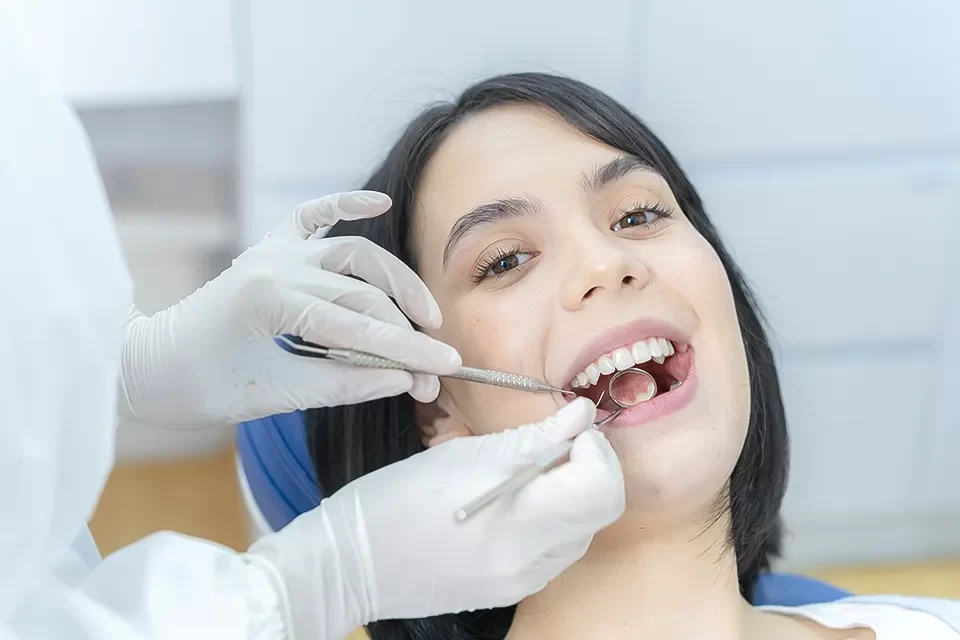
Restore comfort, function, and confidence with personalized restorative care at Oris Dental. From simple fillings to full-arch solutions, our team focuses on conservative treatment, long-term durability, and a natural look that blends seamlessly with your smile.

What Is Restorative Dentistry?

Restorative Dentistry

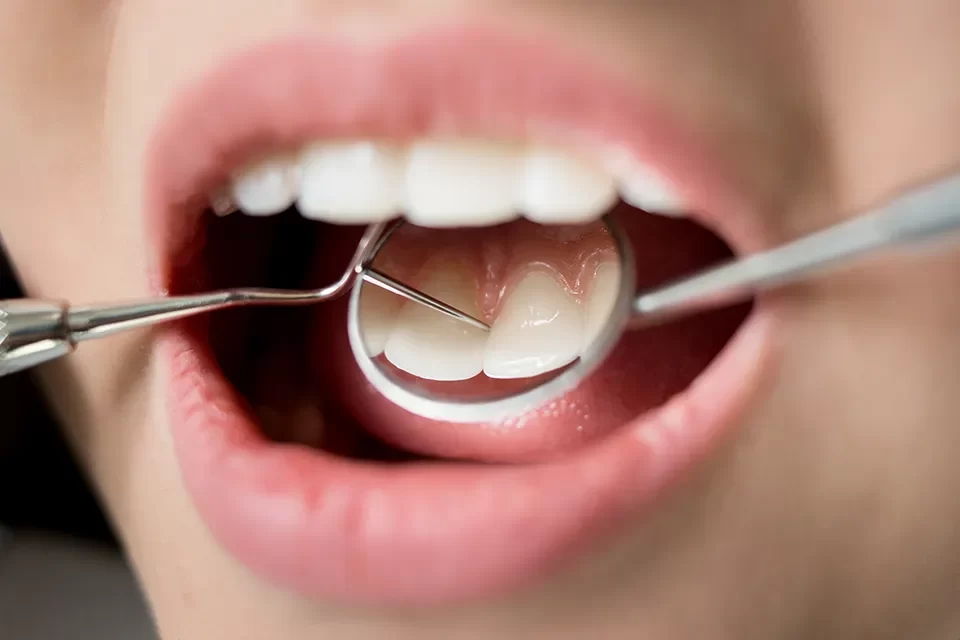
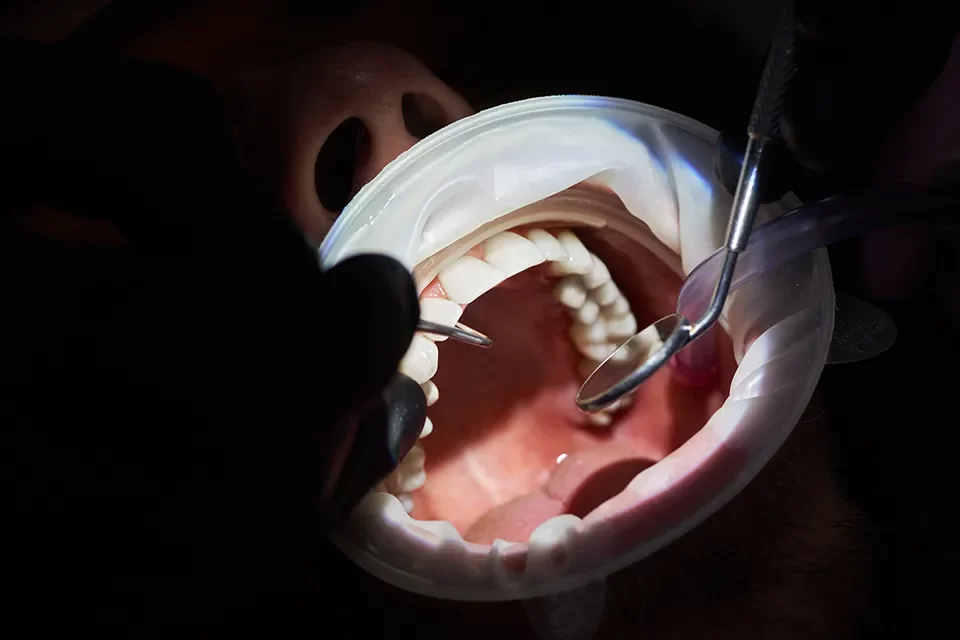
Restorative dentistry repairs or replaces damaged, decayed, or missing teeth to re-establish proper chewing, speech, and aesthetics. At Oris Dental, we use modern materials and digital workflows to preserve healthy tooth structure and deliver results that feel comfortable and look lifelike.
Benefits of Restorative Dentistry

A well-planned restoration does more than fill a gap—it protects your overall oral health.

  • Comfort & Function – Chew, speak, and smile comfortably without sensitivity or sharp edges.

  • Prevention of Further Damage – Stabilizes cracks and cavities to reduce future treatment needs.

  • Bone & Bite Preservation – Implants help maintain jawbone volume and a balanced bite.

  • Aesthetics – Modern ceramics and composites mimic natural translucency for a seamless result.

  • Longevity & Value – Durable materials and evidence-based techniques deliver predictable outcomes.

Our Treatment Process

  • Comprehensive Assessment
    We evaluate teeth, gums, bite, and jaw joints with digital X-rays or 3D imaging when needed, and discuss your priorities.

  • Personalized Plan
    You’ll receive clear options—including timelines, materials, and fees—so you can choose confidently.

  • Comfort-Focused Care
    Gentle anesthesia, isolation techniques, and precise bonding/cementation ensure accuracy and comfort.

  • Finishing & Follow-Up
    We check your bite, polish the restoration, and provide care guidance to maximize longevity.

Restorative Dentistry

Who Is a Candidate?

You may benefit from restorative dentistry if you have:

  • Cavities or Worn Teeth from decay, clenching, or acid erosion.

  • Cracked or Broken Teeth needing reinforcement or coverage.

  • Large Failing Fillings that require inlays, onlays, or crowns.

  • Missing Teeth affecting chewing, speech, or smile line.

  • Tooth Infections or Pain that may require root canal therapy and a protective crown.

If you’re unsure where to start, a consultation helps us prioritize the most important and cost-effective steps.

Endodontists are sometimes called “root canal dentists.” While both general dentists and endodontists can perform root canal treatment, endodontists do it far more often. This higher volume, combined with additional training, results in a higher level of expertise in root canal and endodontic therapy. They also specialize in diagnosing complex causes of tooth pain.

Common Restorative Treatments We Offer

Usually, endodontists treat pulp or root tissues that have been hurt by any of the following:

Tooth-Coloured Fillings

Composite resin fillings bond to enamel, seal out bacteria, and match your natural shade for a discreet repair.

It’s a pus-filled pocket that forms when bacteria infect a tooth or the surrounding gums.

Dental Bridges

Fixed prosthetics that replace one or several missing teeth by anchoring to neighbouring teeth or implants.

Dental Crowns

Custom crowns protect weakened or cracked teeth and restore shape, strength, and appearance.It happens due to concussions such as a hard fall 

Inlays & Onlays

Precision-milled partial restorations for cavities too large for a filling but not requiring a full crown.For instance, a dental caries-damaged tooth that possesses an unfilled indent.

Dental Implants

Titanium or zirconia posts replace tooth roots and support crowns, bridges, or dentures for long-term function.Precision-milled partial restorations for cavities too large for a filling but not requiring a full crown.For instance, a dental caries-damaged tooth that possesses an unfilled indent.

Root Canal Therapy

Cleans and seals infected tooth pulp to relieve pain and save your natural tooth; often finished with a crown.

After-Care & Maintenance

  • Brush twice daily with a fluoride toothpaste and clean between teeth with floss or interdental brushes.

  • Wear a night guard if recommended to protect against grinding or clenching.

  • Avoid very hard or sticky foods immediately after treatment and follow specific instructions we provide.

  • Keep regular checkups and professional cleanings to monitor margins, bite, and gum health.

Frequently Asked Questions

FAQ

With good home care and regular checkups, fillings often last many years; crowns and implant-supported restorations can last a decade or longer. Habits, bite forces, and hygiene influence longevity.

Treatments are performed with local anesthesia and gentle techniques. Most patients report minimal discomfort during and after procedures.

An onlay restores only the damaged portion of a tooth, preserving more enamel. A crown fully covers the tooth for maximum protection when damage is extensive.


Yes—replacing missing teeth helps maintain bone volume, keeps neighbouring teeth from drifting, and restores efficient chewing. Options include implants, bridges, and partial dentures.


Ready to Restore Your Smile?

If you’re experiencing pain, sensitivity, cracks, or missing teeth, we’re here to help with conservative, durable solutions tailored to you.
Request an appointment or call our clinic to speak with our team about restorative dentistry options.