Endodontics

Home / Endodontics

Endodontics

A severe toothache can directly affect your daily life. Skilled endodontists use advanced techniques to treat the tissue inside the tooth. Endodontics focuses on identifying and resolving complex causes of tooth pain, such as abscesses (infections). Specialists in root canal therapy provide pain relief and perform root canal treatment to preserve your natural teeth and improve your oral health.

Who is an Endodontist?

Endodontics

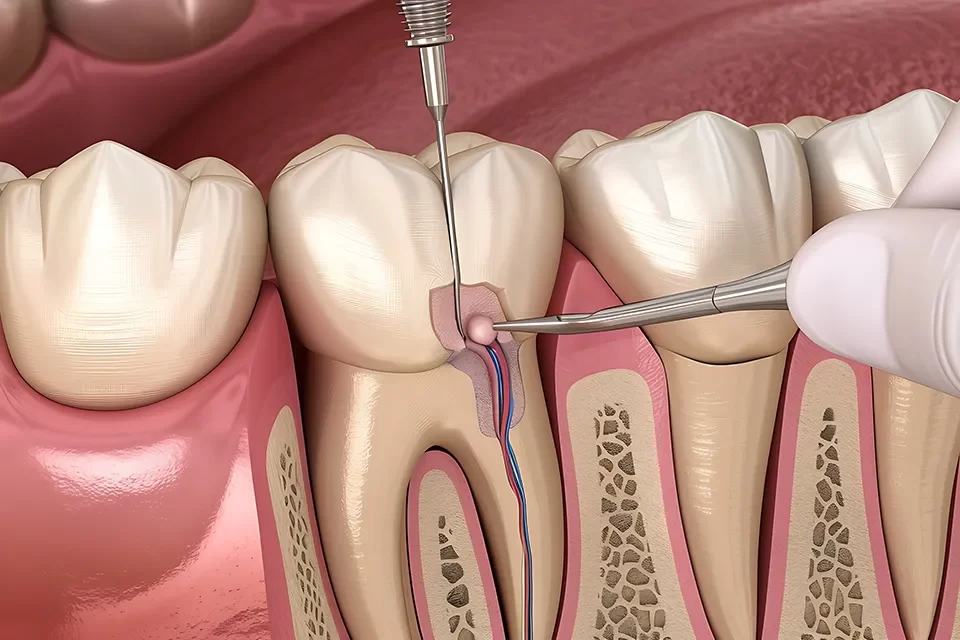
Endodontists are dentists with advanced training who specialize in root canal treatment (endodontics). They address difficult dental problems that primarily affect the tooth pulp. Using advanced techniques, they treat the root tissues and pulp effectively. These specialists focus on relieving pain and, whenever possible, saving your natural tooth.

What is a tooth pulp?

The tooth’s hard enamel and dentin layers are mostly mineral. The dental pulp is the living part of the tooth. It has a jelly-like consistency and contains:

  • blood vessels

  • nerves

  • connective tissue

  • specialized cells

The main functions of the pulp are to form dentin and to nourish the tooth. It also helps keep the dentin healthy by providing moisture and essential proteins such as albumin and fibrinogen. Nerves in the pulp protect the tooth by sensing damage and changes in temperature or pressure. The pulp is the only part of the tooth that contains blood vessels and nerves; if it becomes severely damaged, the tooth loses its blood and nerve supply.

How Does a Dentist Compare to an Endodontist?

The key difference between endodontists and general dentists is training: while both are dentists, fewer than 3% of general dentists complete the additional education required to become root canal specialists. An endodontist completes at least two extra years of focused training after dental school. During this period, they concentrate on diagnosing and managing dental pain related to the tooth pulp and roots, and on advanced techniques for performing root canal treatment.

Endodontics

What Does an Endodontist Do?

Endodontists are sometimes called “root canal dentists.” While both general dentists and endodontists can perform root canal treatment, endodontists do it far more often. This higher volume, combined with additional training, results in a higher level of expertise in root canal and endodontic therapy. They also specialize in diagnosing complex causes of tooth pain.

What Do Endodontists Treat?

Usually, endodontists treat pulp or root tissues that have been hurt by any of the following:

Tooth Abscess

It’s a pus-filled pocket that forms when bacteria infect a tooth or the surrounding gums.

Tooth Injuries

It happens due to concussions such as a hard fall 

Tooth Decay

For instance, a dental caries-damaged tooth that possesses an unfilled indent.

Cracked Tooth

It is when a tooth crack extends to a tooth’s pulp tissue.

How Does an Endodontist Test a Tooth?

Root canal dentists have specialized training to evaluate complex causes of tooth, facial, and oral pain. An endodontist assesses your symptoms using one or more tests:

  • Tapping (percussion) on teeth to identify the affected tooth and gauge how far inflammation has spread.

  • Hot or cold swabs (thermal testing) to check the tooth’s sensitivity.

  • Dental X-rays to visualize the tooth and root structures in detail.

Frequently Asked Questions

FAQ

In root canal therapy, an endodontist removes damaged or infected pulp tissue. Taking out inflamed or unhealthy tissue helps reduce dental pain and eliminates bacteria that could spread and cause further damage.

Endodontists use an operating microscope and advanced instruments to treat the tissues inside a tooth. You lie on your back in a dental chair during root canal therapy. You will receive local anesthesia to numb your mouth so you remain comfortable and pain-free during the procedure.

During treatment, your root canal dentist places a dental dam over the tooth to isolate the area and protect your mouth from infection. They access the pulp from the top or back of the affected tooth, then remove the damaged or diseased pulp tissue. Next, your dentist cleanses and disinfects the inside of the tooth, and finally fills and seals it in place.

How you feel after endodontic treatment depends on your specific problem and its severity. Most root canal treatments are outpatient procedures, and you can go home soon after your appointment. You might feel a little discomfort afterward, and some people feel well enough to return to work the same day.

Your tooth or mouth may be sore for a few days after treatment. More complex procedures can cause discomfort that is more intense or lasts longer. Your dentist may prescribe medication to ease pain, prevent infection, and help your body and mouth heal. You might also need a follow-up visit with your regular dentist after a root canal.

Your provider may place a metal or porcelain crown over the treated tooth to fully protect and restore it. Following your dentist’s instructions is essential to ensure your tooth heals properly.

It’s important to look after your teeth while healing from root canal therapy. Avoid biting on hard foods until treatment is complete. After your final visit, the treated tooth should not be painful, though it may feel tender for a few days.

To ease discomfort, you can take over-the-counter pain relievers such as ibuprofen or paracetamol. Return to your dentist if pain or swelling persists for several days despite medication. In most cases, you can reduce the chance of needing further root canal treatment by:

  • Keeping your teeth clean

  • Limiting sugary foods and drinks

  • Quitting smoking if you smoke

Why Choose ORIS Dental Clinics?

Root canal treatment (endodontics) is performed to relieve pain—not cause it. After your procedure, you may feel some mild discomfort that typically subsides within a few days.

At ORIS Dental Clinics, our dentists and endodontic specialists treat the source of your tooth pain so you can heal comfortably. Call us today to book your root canal appointment in Richmond Hill. If you’re a referring dentist, please use our secure online endodontics referral form.