
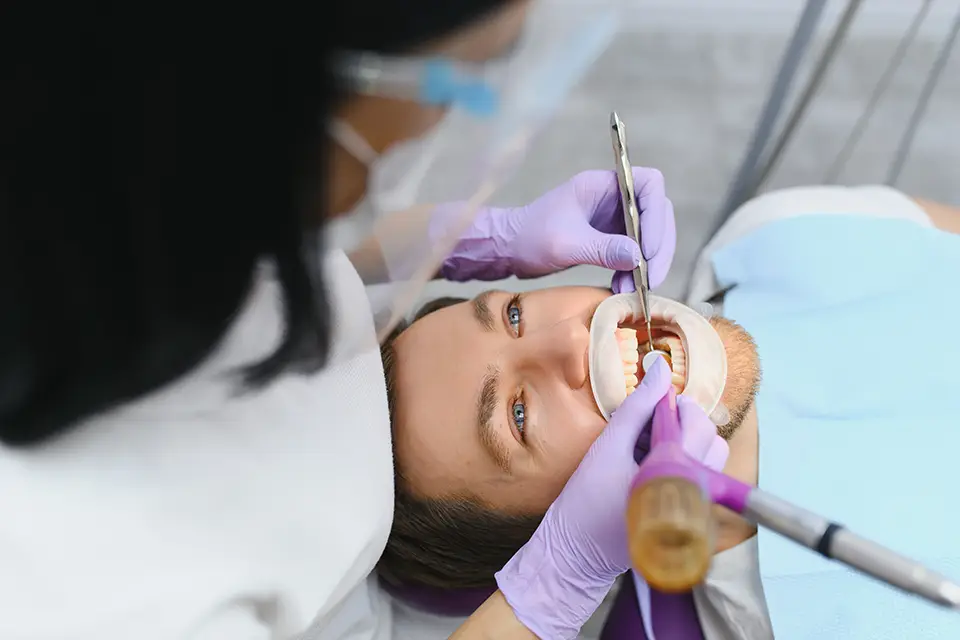
If you tense up the moment you smell a clinic or hear a handpiece, you’ve probably typed what is sleep dentistry into a search bar more than once. At ORIS Dental Clinics in Richmond Hill, Ontario, we hear that all the time. In plain terms, what is sleep dentistry? It’s carefully monitored sedation that helps you stay calm and comfortable while a dental professional completes the care you need. You’re safe, you’re heard, and the appointment feels shorter and easier than you’d expect.
Discover modern, patient-focused sleep dentistry at our clinic
What Is Sleep Dentistry: The Plain Version
Sleep dentistry (often called sedation dentistry) uses medication to turn the volume down on anxiety, overactive gag reflexes, and sensory overload. You’re usually not fully “asleep”; you’re relaxed and content while a dental professional numbs the area and completes treatment. The aim isn’t to “knock you out”—it’s to create a steady, calm visit you can actually get through.
Sleep Dentistry vs. Being Fully Asleep
The name can be confusing, so here’s the spectrum:
- Minimal sedation: You’re awake, relaxed, and able to chat.
- Moderate (conscious) sedation: You feel drowsy, respond to gentle prompts, and may remember very little.
- Deep sedation: You drift near sleep but can be awakened; used selectively with strict monitoring.
- General anesthesia: Fully unconscious, typically in a hospital or surgical setting for specific cases only.
Your dental professional recommends the lightest level that still keeps you comfortable and safe.
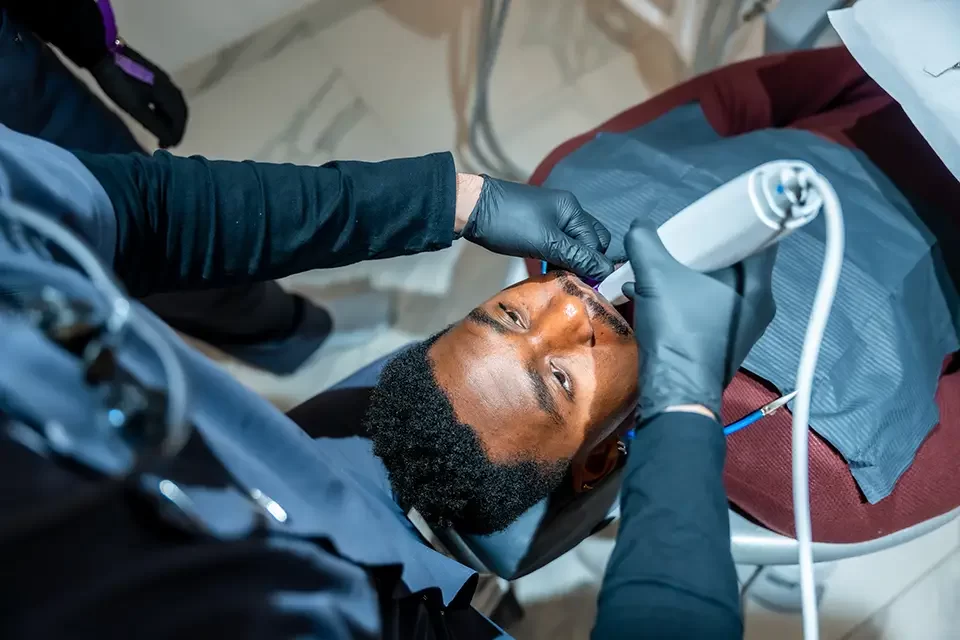
What Is Sleep Dentistry in Practice: How the Appointment Flows
Different paths, same destination—calm, predictable care.
- Nitrous oxide (laughing gas): A small mask, a few steady breaths, and you feel lighter. It’s adjustable and wears off quickly.
- Oral sedation (a pill): Taken before your visit. You feel pleasantly relaxed; you’ll need a ride home.
- IV sedation: Medication through a tiny cannula so depth can be tuned in real time—ideal for longer or more complex care.
- Combinations: For example, nitrous during injections alongside local anesthesia for thorough pain control.
Throughout, we monitor oxygen, heart rate, and blood pressure. With asking what is sleep dentistry, safety isn’t a switch—it’s continuous from hello to goodbye.
More: Pulpotomy in Children: Everything Parents Should Know
Who Benefits When You Ask "What Is Sleep Dentistry" (It's Not Only the Anxious)
- Anxiety or past tough experiences: A calmer body and mind make everything smoother.
- Strong gag reflex: Relaxation lowers reflex sensitivity, making impressions and treatment doable.
- Trouble getting numb: Sedation reduces adrenaline spikes, so the local anesthetic works as intended.
- Tight schedules: Multiple procedures can be combined into one comfortable visit.
- Complex care: Implants, surgical extractions, or extensive repairs feel far more manageable with sedation support.
If you’re caught in the “I’ll deal with it next month” loop, asking what is sleep dentistry often becomes the bridge back to routine care.
What Is Sleep Dentistry: Before, During, and After—What to Expect
Before
We review your health history (medications, allergies, sleep apnoea, heart/lung concerns), explain the sedation plan, and give simple prep instructions—when to stop eating/drinking, which daily meds to take, and whether you’ll need an escort.
During
Monitors go on. A dental professional numbs the area as usual; the sedation quiets the rest—anxiety, gag reflex, that urge to bolt. You can still respond to simple cues like “open a little” or “rest your jaw,” even if you don’t remember later.
After
You’ll rest until you’re steady. With nitrous, most people feel normal quickly; with oral or IV sedation, you’ll head home with your escort and take it easy for the day. You’ll receive clear aftercare instructions and a direct line if anything feels off.
What Is Sleep Dentistry: Safety, Side Effects, and Our Guardrails
Most side effects are short-lived: drowsiness, dry mouth, or fuzzy memory of the appointment. We keep things safe by:
- Screening first: We spot drug interactions, recent respiratory illness, or anything that says “not today.”
- Conservative dosing: Adjusted for age, weight, and health status.
- Real-time control: With nitrous or IV, depth is titrated moment by moment.
- Readiness: Trained team, emergency kit, and reversal agents where appropriate.
- Check-ins: A quick follow-up so recovery stays on course.
With asking what is sleep dentistry the process is designed to be cautious, measured, and transparent.
What Is Sleep Dentistry for Kids, Teens, and Older Adults
- Kids: Nitrous or minimal sedation can turn early appointments into positive memories—huge for long-term confidence.
- Teens: Helpful for extractions, longer hygiene, or sensitive gag reflexes; keeps cooperation high.
- Older adults: We coordinate with physicians when cardiac, pulmonary, or medication factors are in play and tailor timing to reduce grogginess.
Different ages, same principle: just enough help—no more than you need.
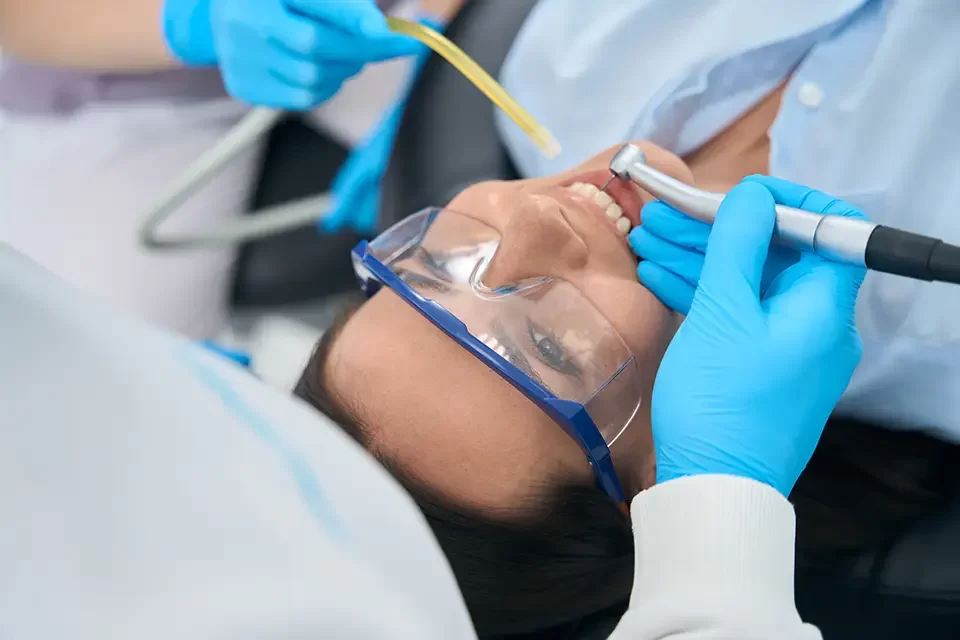
What Is Sleep Dentistry Going to Cost?
Fees depend on sedation type, appointment length, and the qualifications involved. Nitrous is usually the most affordable; IV sedation involves more monitoring and specialist training. Some benefits plans contribute in specific situations; others treat sedation as an add-on. At ORIS Dental Clinics, we give you a written estimate, explain what’s included, and—if it helps—group procedures so you get the most value from each sedated visit.
How ORIS Dental Clinics Personalizes What Is Sleep Dentistry
- We listen first: Needles, sounds, time in the chair—tell us your real hurdle.
- We keep it light: The gentlest effective level is usually the right one.
- We bundle smartly: When you’re relaxed, we can finish more in a single sitting—fewer returns, less time off work.
- We keep it clear: Simple prep, simple recovery, and straightforward check-ins.
- We keep continuity: The same dental professionals who plan your case deliver it, so nothing gets lost between visits.
Conclusion
If you’ve been wondering what is sleep dentistry and whether it could finally make care feel doable, you’re not alone—and you have options. At ORIS Dental Clinics in Richmond Hill, we match sedation to your health, your comfort level, and your to-do list, so treatment feels calmer and far less complicated.
Ready to talk it through? Book a short consultation. Tell us what’s been holding you back, and we’ll design a comfortable plan—light to deeper sedation as needed—so you can get healthy and stay that way, without the stress.
FAQs — What Is Sleep Dentistry?
What is sleep dentistry, in one line?
Clinically supervised sedation that keeps you relaxed while a dental professional completes your care safely.
Will I be completely asleep with what is sleep dentistry?
Usually not. Most patients are calm and responsive, with little memory of the visit. General anesthesia (fully asleep) is reserved for specific cases.
Can I drive after what is sleep dentistry?
You can drive after nitrous once you feel normal. With oral or IV sedation, you’ll need an escort and a quiet day at home. Your health history guides the safest option.