
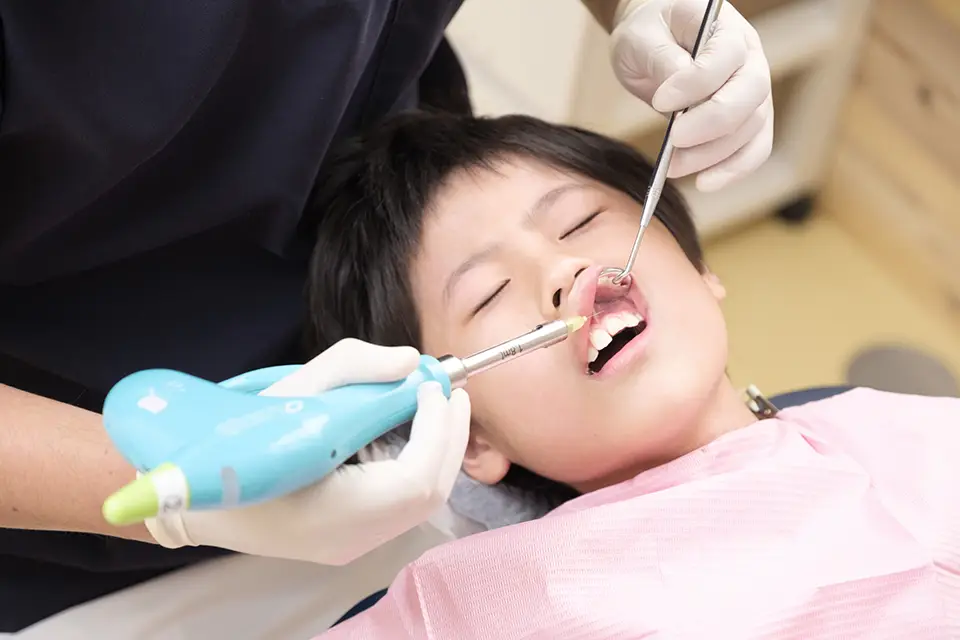
Toothaches can make even the easiest day hard for a child—and stressful for parents. One proven way to relieve deep tooth pain in a primary (baby) molar, while keeping the tooth in place for chewing and speech, is a pulpotomy in children. At ORIS Dental Clinics in Richmond Hill, Ontario, our goal is to explain the science and the steps clearly, so your family knows what to expect. In practical terms, a pulpotomy in children removes inflamed tissue from the top part of the tooth’s nerve, calms the remaining nerve, and seals the tooth so it can keep doing its job. If you’ve been reading about pediatric dental treatments, this guide will help you separate myths from facts and decide confidently with a dental professional.
Pulpotomy in Children: When It's Recommended
A pulpotomy is considered when decay or a crack has reached the pulp (nerve) of a primary molar, but the root portion is still healthy enough to keep. Signs that commonly lead a dental professional to recommend a pulpotomy in children include:
- Prolonged pain to cold or sweet that lingers
- Nighttime toothaches or spontaneous pain
- A deep cavity on X-ray approaching the nerve
- Sensitivity when chewing or tapping on the tooth
- No signs of root abscess spreading (if present, other options are considered)
The overarching goal is conservative: stop pain, remove infection risk in the crown portion of the tooth, and preserve space for the adult tooth developing underneath.
Pulpotomy in Children: What Actually Happens During the Visit
Clarity reduces anxiety—for parents and kids. A typical pulpotomy in children at ORIS follows a calm, stepwise plan:
- Comfort first: Local anesthesia numbs the area completely. For very anxious children, additional behaviour guidance or minimal sedation may be discussed in advance.
- Access and cleaning: The decayed enamel and dentin are removed. A small opening gives access to the upper (coronal) pulp, which is gently removed.
- Assess the remaining pulp: The tissue in the roots is checked for healthy bleeding and colour—key signs that a pulpotomy in children (not a full root treatment) is appropriate.
- Medicaments and seal: A biocompatible material is placed over the remaining nerve tissue to soothe and protect it.
- Final restoration: The tooth is sealed. For strength and durability, many primary molars receive a stainless-steel crown (or a tooth-coloured pediatric crown where suitable) on the same visit.
Most children finish the appointment comfortable and curious—not overwhelmed.
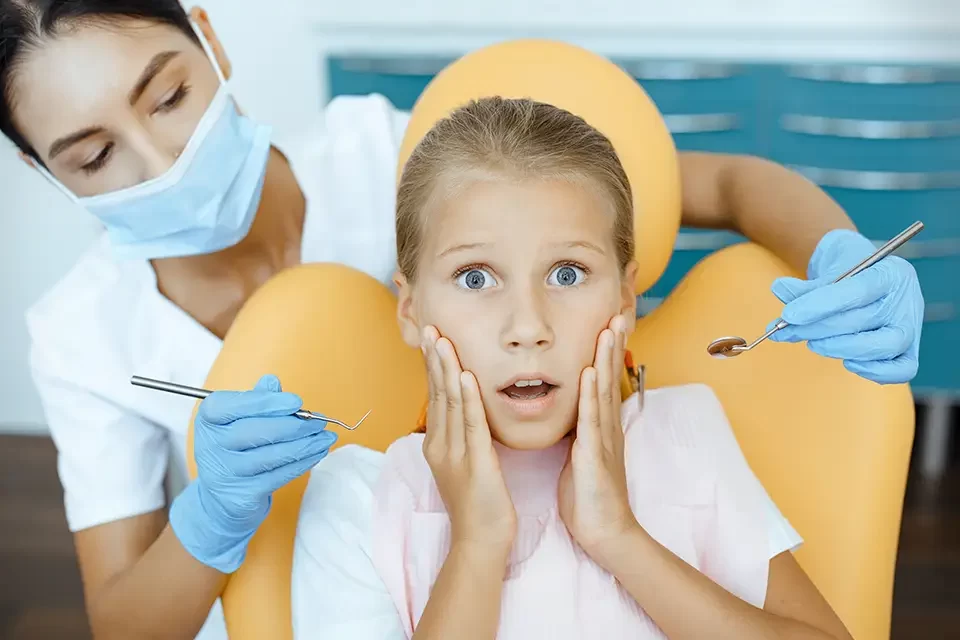
Benefits of a Pulpotomy: Why Save a Baby Molar
Saving a primary molar isn’t “cosmetic”—it’s functional. A well-done pulpotomy in children delivers:
- Pain relief and infection control: It addresses inflamed nerve tissue quickly.
- Chewing efficiency: Keeping the tooth maintains a balanced bite on both sides.
- Speech and jaw development: Primary molars guide normal growth and clear pronunciation.
- Space maintenance: Preserving the tooth prevents neighbouring teeth from drifting into the gap, which reduces future orthodontic complexity.
- Predictable timeline: The restored tooth generally lasts until its natural exfoliation, if well cared for.
More: Step–by–Step Guide to the Root Canal Therapy Procedure
Risks and Safety
Any procedure deserves an honest look at risks. With a pulpotomy in children, concerns are uncommon but may include:
- Post-op sensitivity: Mild, typically short-lived; managed with simple analgesics if needed.
- Treatment failure: If the lower (radicular) pulp later shows signs of persistent infection, a pulpectomy (full root treatment) or extraction may be required.
- Crown discomfort at first: A restored molar can feel “new” for a few days; bite checks ensure comfortable contacts.
- Allergy or intolerance: Rare with modern medicaments; medical history screening helps prevent surprises.
Our safety net is a thorough diagnosis, a gentle technique, and clear follow-up instructions.
Pulpotomy in Children vs Alternatives: Choosing Wisely
A pulpotomy in children is one of several paths. Your dental professional will weigh:
- Deep filling only: For shallow nerve involvement; not ideal if symptoms suggest pulp inflammation.
- Pulpectomy: Full nerve removal in the roots, used when radicular pulp is irreversibly inflamed but the tooth is worth keeping.
- Extraction + space maintainer: Chosen if the tooth cannot be predictably saved; a small device holds space for the permanent successor.
The “right” choice balances comfort, longevity, growth, and the fewest overall appointments.
Aftercare for a Pulpotomy: Day-to-Day Guide
Good aftercare helps the tooth—and your child—settle smoothly:
- Numbness window: Protect cheeks and lips from accidental biting until feeling returns.
- Food choices (24 hours): Soft, cool foods; avoid sticky treats that could dislodge a fresh crown.
- Home care: Gentle brushing the first evening; resume full brushing and flossing the next day.
- Comfort: Mild soreness is possible; children’s analgesics by weight if needed.
- Watch list: Call if swelling, persistent night pain, or fever develops.
With routine care, a crowned primary molar after a pulpotomy in children often serves comfortably until it naturally exfoliates.
Materials and Crowns Parents Ask About
Modern pulpotomy in children typically uses biocompatible medicaments designed to soothe and protect the remaining nerve. For the final restoration:
- Stainless-steel crowns are durable, quick to place, and child-friendly in function.
- Tooth-coloured pediatric crowns are available in selected cases for front-facing aesthetics.
Your dental professional will recommend the option that best matches decay extent, bite forces, and moisture control.
Cost, Coverage, and Appointments for a Pulpotomy in Children
Fees vary with the tooth involved, number of surfaces decayed, crown type, and whether additional X-rays or behaviour management techniques are needed. Insurance plans often provide partial coverage for a pulpotomy in children and the associated crown; our team prepares a pre-estimate so costs are clear before treatment. Most cases are completed in a single visit, with a short review appointment only if something needs checking.
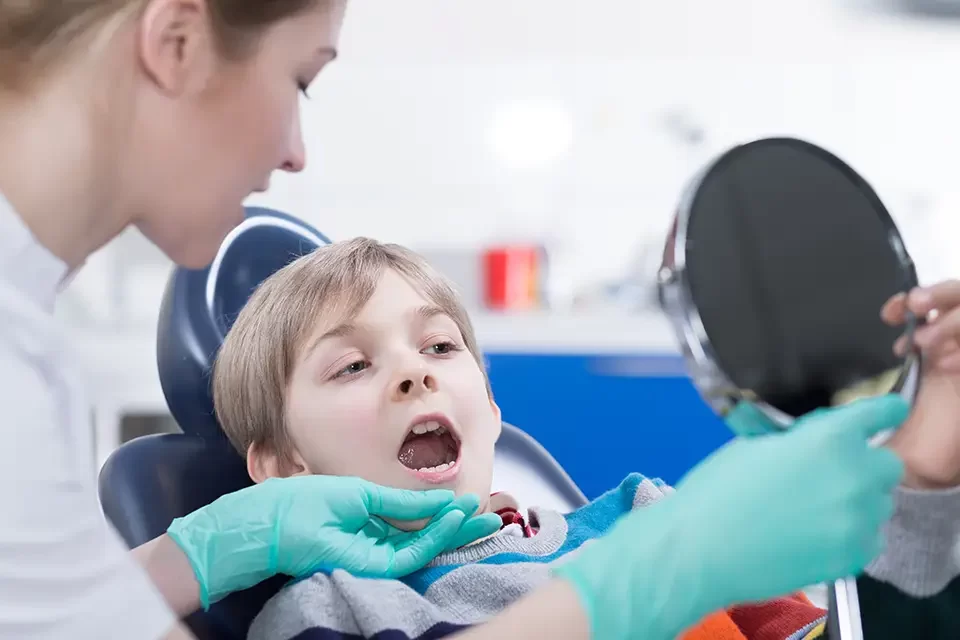
How ORIS Dental Clinics Supports Families
At ORIS, pediatric care is built around calm, consistent steps:
- Tell-show-do: We explain in child-friendly language and demonstrate tools so the visit feels predictable.
- Minimal injections with strong numbness: Topical gels and slow delivery support comfort.
- Behaviour guidance: Distraction, positive reinforcement, and—when appropriate—minimal sedation to reduce anxiety.
- Communication with caregivers: Clear home-care checklists and direct contact if questions come up afterward.
The result is clinical quality that’s high and a child experience that’s low-stress.
Conclusion
If your child has been waking at night with tooth pain or an X-ray shows a deep cavity, a pulpotomy in children can relieve symptoms and keep chewing comfortable—without removing a tooth needed for spacing and development. The process is straightforward, recovery is quick, and the long-term payoff is significant: fewer emergencies, better function, and a smoother path to adult teeth.
Have questions? Book a family-friendly visit at ORIS Dental Clinics in Richmond Hill, Ontario. Our dental professionals will assess the tooth, review imaging with you, and outline a clear plan—so you can make the best decision for your child with confidence.
FAQs: Pulpotomy in Children
Is a pulpotomy in children painful?
With local anesthesia and gentle technique, treatment is typically pain-free. Mild post-op tenderness is possible and usually improves within a day.
How long does a pulpotomy in children last?
When well restored (often with a crown) and kept clean, the tooth commonly lasts until its natural exfoliation, preserving space for the adult tooth.
What if my child is very anxious?
Behaviour guidance comes first. If needed, minimal or moderate sedation may be discussed after reviewing health history—all delivered with appropriate monitoring.
How do I know if my child needs a pulpotomy or extraction?
X-rays, vitality signs, and clinical findings guide the decision. A pulpotomy in children is preferred when the root pulp appears healthy enough to keep; extraction is considered if predictable healing is unlikely.