
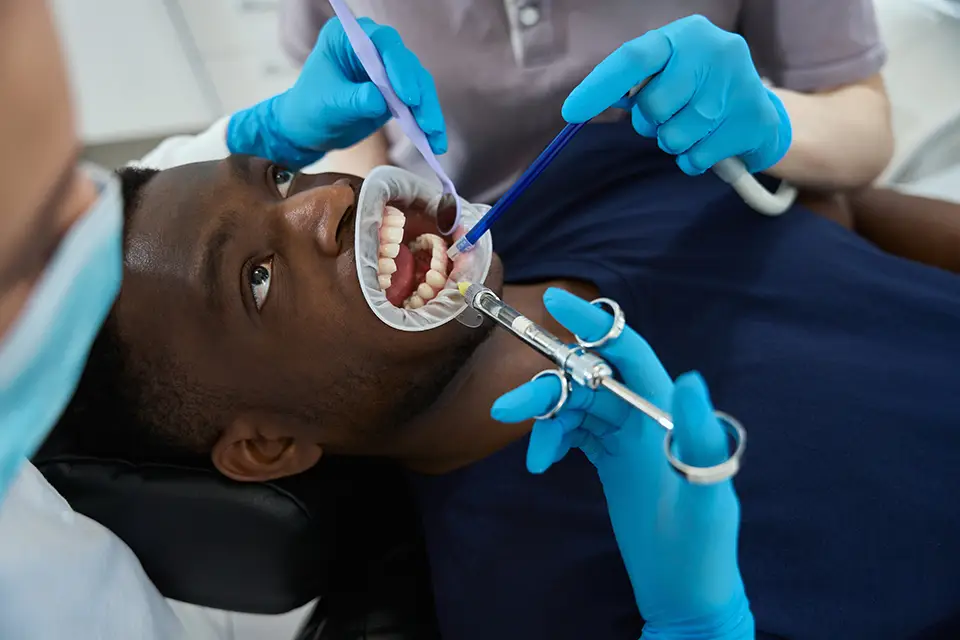
Gums don’t complain loudly at first. They whisper—tiny bleeds when you brush, a hint of tenderness, breath that doesn’t feel as fresh. That’s exactly where the question what is periodontics stops being academic and becomes useful. Periodontics focuses on the foundation that holds teeth in place: the gums, the bone, and the ligament between them. At ORIS Dental Clinics in Richmond Hill, Ontario, our approach is calm and structured: find inflammation early, reduce the bacterial load, and keep the supporting tissues healthy so your bite stays comfortable and stable. If you’ve wondered what is periodontics and whether it applies to you, the short answer is this: if you want your teeth to last, looking after the foundation is non-negotiable.
Keep your smile healthy — discover our expert periodontics care today!
What Is Periodontics?
At its most practical, what is periodontics? It is the prevention, diagnosis, and treatment of gum disease—from reversible gingivitis to bone-affecting periodontitis. Gingivitis sits at the surface. Periodontitis goes deeper, creating pockets that trap bacteria and quietly reduce the bone that keeps teeth firm. With skilled care from trained dental professionals, inflammation is measured, mapped, and brought under control. The goal is not a quick “polish and hope.” It’s a plan that restores health and makes daily maintenance realistic.
Early Signs You Shouldn't Ignore
Gum disease is subtle until it isn’t. Pay attention to these common early cues:
- Bleeding when brushing or flossing
- Puffy, shiny, or tender gums
- New spaces between teeth or a bite that feels different
- Recession (teeth look “longer”) or sensitivity at the necks of teeth
- Persistent bad breath or a metallic taste
If you’re asking what is periodontics doing for signs like these, the answer is simple: quantify them. We measure pocket depths, record bleeding points, and create a map that guides treatment.
How We Assess Gums (So the Plan Fits You)
A periodontal visit at ORIS is methodical and low-stress:
- Health Review – Medications, smoking status, diabetes control, and family history all influence gum response.
- Periodontal Charting – A gentle probe records pocket depths around each tooth and notes bleeding and recession.
- Imaging When Indicated – Radiographs show bone levels and let us compare changes over time.
- Diagnosis & Priorities – We explain what’s stable, what needs attention, and which sites drive risk.
Understanding what is periodontics in the chair means seeing the numbers that matter and the steps that will move them.

What Is Periodontics in Treatment? Start Conservative, Get Specific
The first task of periodontics is to calm inflammation by removing bacterial biofilm and calculus above and below the gumline.
- Professional Cleaning (Prophylaxis): For gingivitis, meticulous cleaning and targeted coaching can reverse inflammation quickly.
- Scaling & Root Planing: For periodontitis, we debride root surfaces in deeper pockets so gums can reattach. Appointments may be staged quadrant by quadrant for comfort and precision.
- Adjuncts When Helpful: Local antimicrobials, irrigation, desensitisers, and personalised home-care tools support healing.
Once you’ve experienced what well-done non-surgical care feels like, what is periodontics becomes tangible: less bleeding, calmer gums, and easier home cleaning within weeks.
When Surgical Care Makes Sense
Non-surgical therapy is the foundation. If pockets remain deep or access is poor, surgical steps can create a healthy, maintainable shape:
- Access (Flap) Surgery: Direct vision to remove residual calculus and reduce pocket depth.
- Regeneration: Guided tissue techniques, bone grafting, and biologic mediators where rebuilding support is realistic.
- Soft-Tissue Grafting / Crown Lengthening: To protect exposed roots, even gumlines, or place restorations in a healthy position.
The purpose is functional: fewer deep sites, better access for brushing, and a stable, comfortable bite.
Home Habits That Actually Change Outcomes
Daily routines make clinic results stick. Think small, consistent steps:
- Two minutes, twice a day with a fluoride toothpaste; powered brushes help if your technique is rushed.
- Clean between teeth daily—floss, interdental brushes, or water flossers around bridges and tight contacts.
- Mind sugar and acid frequency; sip water after coffee or citrus.
- Nightguard if you clench—overload can irritate tissues and wear enamel.
Do these well, and you’ll feel why what is periodontics matters: appointments get easier, and checkups become confirmation rather than course correction.
What Is Periodontics Beyond the Mouth? The Health Link
Here’s another angle on what is periodontics: it’s not just about teeth. Periodontal inflammation has recognised associations with diabetes control, cardiovascular risk markers, and pregnancy outcomes. It isn’t about blame; it’s about reducing total inflammatory burden. Our dental professionals coordinate with your physician when needed—especially if medications reduce saliva or healing is slower—so your oral and overall health plans support each other.
Dental Implants and What Is Periodontics: Keeping Fixtures Healthy
Implants need healthy surrounding tissue just as natural teeth do. Peri-implant mucositis (gum inflammation around an implant) can progress to peri-implantitis (bone loss) if ignored. The logic of what is periodontics applies directly: measure inflammation, control biofilm, restore access for home care, and intervene early if pockets deepen. At maintenance visits, our dental professionals chart implants the same way they do teeth—because long-term stability is the point of treatment.
Timelines, Maintenance, and What to Expect Financially
Most patients follow a steady arc:
- Initial Phase (4–12 weeks): Non-surgical care, home-care coaching, and re-checks to confirm bleeding and pocket depths are dropping.
- Re-evaluation: If specific sites remain deep, we discuss focused surgical options.
- Maintenance Rhythm: Many stabilise on a 3–4-month cadence; low-risk patients may stretch to 6 months. The interval matches risk—not a generic calendar.
Fees vary with disease severity, number of sites, and whether regenerative surgery is appropriate. You receive a written plan that outlines procedures, sequence, review points, and the maintenance schedule that protects your investment. Viewed over time, what is periodontics is the most cost-effective dentistry there is: prevention and early control instead of crisis treatment.
What Is Periodontics When Nothing Hurts Yet?
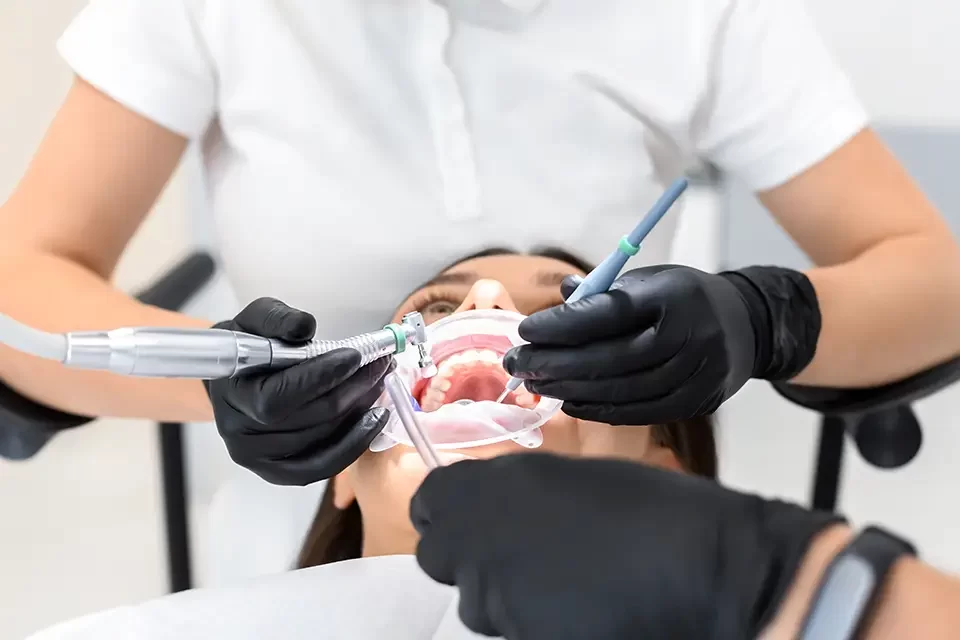
Pain is a late sign. If you’re wondering what is periodontics for someone who “feels fine,” the answer is early warning. We catch subtle bleeding, shallow pockets that could deepen, or recession starting to expose sensitive root surfaces. Small adjustments—better interdental tools, a tweak to brushing angle, targeted professional cleaning—stop problems before they become expensive or uncomfortable.
Conclusion: A Calm, Practical Way to Keep Teeth for Life
Once you understand what is periodontics, gum care feels less mysterious and more manageable. The recipe is simple: diagnose early, reduce inflammation thoroughly, rebuild when it helps, then maintain with habits you can keep. If your gums bleed, your breath feels off, or your bite is shifting, it’s time for a focused look. At ORIS Dental Clinics in Richmond Hill, our dental professionals will examine gently, explain clearly, and build a plan that protects the foundation your smile relies on—today and years from now.
FAQs — What Is Periodontics?
How do periodontal measurements help me?
They turn guesswork into a map—pocket depths, bleeding points, and recession—so treatment targets the exact sites causing trouble.
Will treatment be painful?
Non-surgical care is delivered with local anaesthesia when needed. Most patients report tenderness for a day or two, not sharp pain, and it resolves with simple after-care.
How often should I come for maintenance?
Many benefit from every 3–4 months after stabilisation. The interval is tailored to your risk level and how well tissues stay calm between visits.
Do implants need periodontal maintenance too?
Absolutely. The same principles apply—measure, clean, review. Early attention prevents small issues around implants from becoming structural problems.