
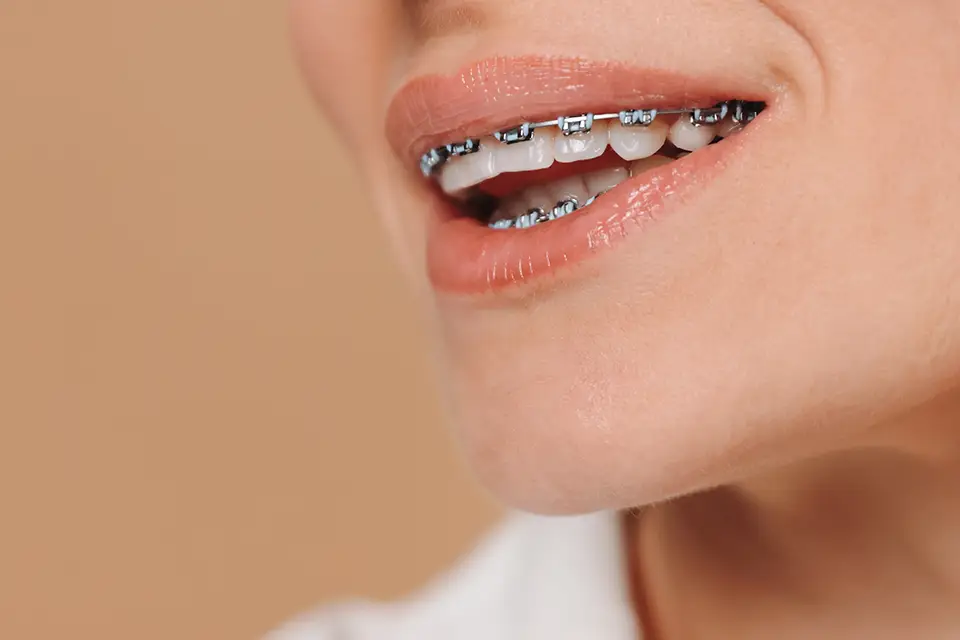
If you’ve been wondering how to straighten crowded teeth, close gaps, or correct a bite that just doesn’t feel right, you’ve probably asked yourself what is orthodontics and whether it’s only for kids. At ORIS Dental Clinics in Richmond Hill, Ontario, we plan orthodontic care for children, teens, and adults with one goal: a healthier bite that looks good and lasts. This guide explains what is orthodontics in plain language—how it works, who benefits, costs, timelines, and what day-to-day life looks like during treatment.
What Is Orthodontics: The Clear Definition
At its core, what is orthodontics? It’s the specialty focused on diagnosing, preventing, and correcting malocclusion—how your upper and lower teeth meet. Orthodontic care uses gentle, controlled forces to move teeth and guide jaw growth, improving both function and aesthetics. A stable bite spreads chewing forces evenly, protects enamel, and makes hygiene easier—long after the braces or aligners are gone.
What Is Orthodontics: How Teeth Actually Move
To understand what is orthodontics, it helps to know the biology. Teeth sit in bone, not concrete. When steady forces are applied through braces or clear aligners, bone on the “pressure” side remodels (resorbs) while bone on the “tension” side rebuilds (deposits). This balanced remodelling is why lighter, continuous forces work better than “tightening to the max.” The right plan respects biology, so movement is efficient and safe.
Who Benefits—and When to Start
You don’t need a “perfect” age to explore orthodontics. Many issues are easier to guide early, but adult treatment is common and successful. We typically see:
- Children (7–11): Early checks catch jaw growth patterns, crossbites, or crowding before they snowball.
- Teens: Most comprehensive treatments begin as permanent teeth erupt.
- Adults: Alignment, bite correction, and pre-implant tooth positioning are all possible at any age with healthy gums and bone.
If you’re still asking what is orthodontics for adults, remember: healthy bone remodels at 15 and at 50—planning just tailors the mechanics.

Your Options: Braces, Ceramic, or Clear Aligners
Choosing a system doesn’t change what is orthodontics—the goal is controlled, staged movement.
- Metal braces: Durable, highly precise for rotations and complex bites.
- Ceramic braces: Tooth-coloured brackets for lower visual impact.
- Clear aligners: Nearly invisible, removable for meals and brushing; rely on 20–22 hours/day wear and small tooth-coloured attachments.
For many mild-to-moderate cases, aligners and braces finish in a similar time. For complex movements, braces can offer tighter control. The best choice is the one you’ll follow perfectly.
What to Expect: The Orthodontic Process
Patients often learn what is orthodontics best by seeing the steps:
- Consultation & records: Photos, digital scans, and X-rays to map tooth positions and bite.
- Treatment planning: We sequence movement to avoid traffic jams—sometimes using small enamel polishing (IPR) to create space.
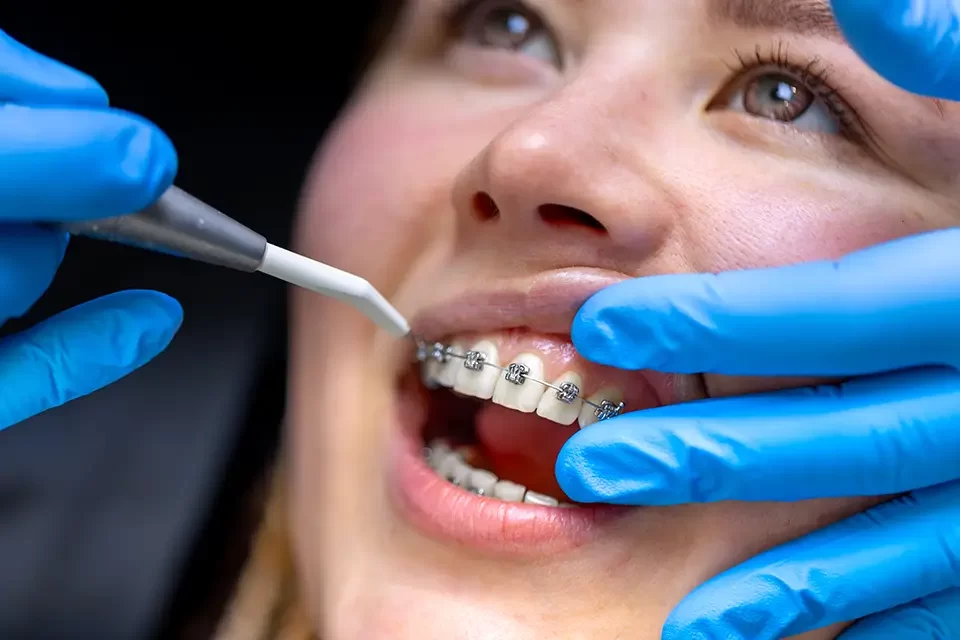
- Active treatment: Braces are adjusted at visits; aligners are changed on schedule with periodic checks.
- Bite detailing: Elastics, power chains, or attachments refine the finish.
- Retention: Custom retainers hold the result while the bone stabilizes.
What Is Orthodontics: How Long Does It Take?
Timelines help define what is orthodontics in real life. Broad ranges:
- Mild spacing/crowding: ~6–10 months
- Moderate alignment and rotations: ~12–18 months
- Bite corrections (deep/open bite, crossbite): ~18–24+ months
Consistency matters more than the appliance alone. Braces work 24/7 by design; aligners match that speed when worn as prescribed.
Comfort, Speech, and Daily Life
A common part of what is orthodontics is comfort. Expect mild tenderness after initial placement and adjustments—usually managed with simple pain relief and a softer menu for a day or two. Speech adapts quickly (aligners are thin; braces need a short “learning curve”). For sports or instruments, we provide mouthguard guidance and wax for any early bracket friction.
What Is Orthodontics: Safety and Oral Health
Healthy gums make treatment smoother. Part of what orthodontics is about is coaching: brushing around brackets, using interdental brushes, or rinsing after aligners come out for meals. Regular hygiene visits continue during treatment; clean teeth move more predictably, and gums stay calm.
Costs, Insurance, and Value
Finances are a practical side of what is orthodontics. Fees reflect complexity, materials, and visit needs—not just the appliance type. Many plans include orthodontic benefits for children and, increasingly, adults. At ORIS Dental Clinics, you’ll receive a written estimate with staged payment options. We map both braces and aligner routes—months, visits, and costs—so you can compare the whole journey, not just a sticker price.
What Is Orthodontics for Adults vs. Teens
Adults ask if they’ve “missed the window.” The honest answer in what is orthodontics: no. Adults can expect excellent outcomes; planning simply accounts for slower growth changes, potential restorations, or periodontal maintenance. Teens benefit from active growth and quick adaptation—but both groups finish well when the plan is followed.
Retainers: The Part Everyone Forgets
You can’t explain what is orthodontics without retention. Teeth have memory. After movement, fibres and bone need time to stabilize. We’ll recommend a retainer plan—clear, removable, fixed, bonded, or a combination—plus a wear schedule that protects your investment long-term.
What Is Orthodontics: Why ORIS Dental Clinics for Orthodontic Care
The last piece of what is orthodontics is partnership. At ORIS, you’ll get:
- Diagnostics first: Clear records and explanations before decisions.
- Two or three viable paths: Braces, ceramic, or aligners—with pros, cons, and timelines.
- Monitoring that matters: In-person and virtual check-ins to catch small issues early.
- Comfort-minded care: Optimal forces for efficient, biologically friendly movement.
- Retention plan: A written roadmap so your results stay stable.
Conclusion
Understanding what is orthodontics comes down to three ideas: a stable bite protects teeth, steady forces move them safely, and retention preserves the finish. Whether you’re exploring early guidance for a child or considering adult alignment, a clear plan removes the guesswork.
Ready to see your options? Book a consultation at ORIS Dental Clinics in Richmond Hill, Ontario. We’ll record your baseline, outline braces and aligner paths with timelines and costs, and design a treatment plan that fits your life—so “what is orthodontics” becomes “this is how we get your healthiest, most confident smile.”
FAQs — What Is Orthodontics?
What is orthodontics in one sentence?
It’s the specialty that aligns teeth and balances the bite using controlled, gentle forces for healthier function and a better smile.
Am I too old for treatment if I'm over 40?
No. Bone remodels at any age if the gums are healthy. Adult plans simply tailor mechanics and may coordinate with other dental treatments.
Braces or aligners—what's faster?
For mild to moderate alignment, times can be similar. Complex bite work may favour braces. The fastest safe option is the one you’ll follow exactly.
Do teeth move back after treatment?
They can without retainers. A simple, consistent retainer plan is part of what is orthodontics and keeps results stable.