
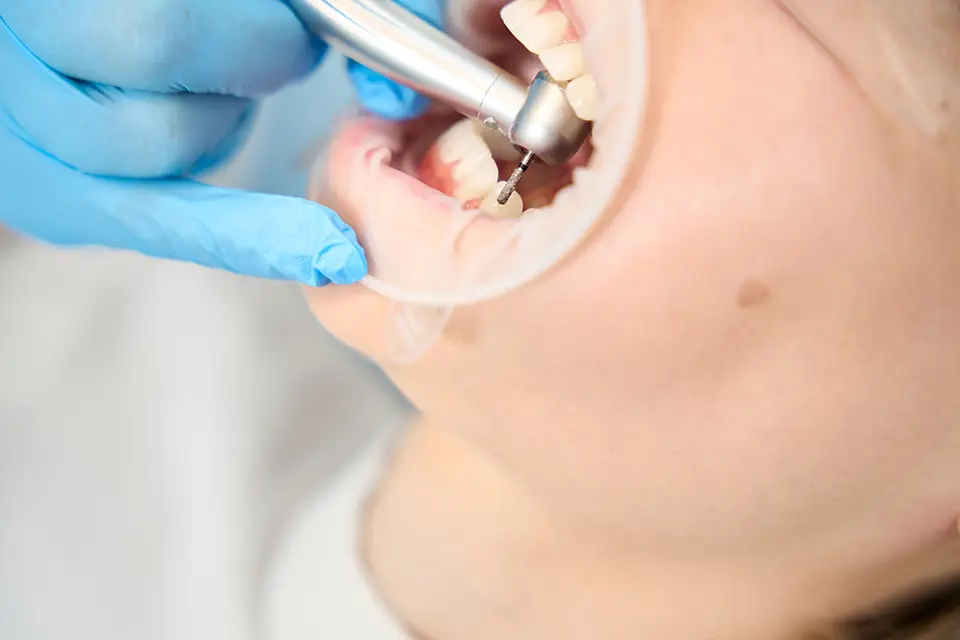
A “filling” sounds simple—until you’re asked to choose materials, understand longevity, and balance cost with appearance. At ORIS Dental Clinics in Richmond Hill, we walk patients through tooth filling types with plain-English pros and cons, so the choice fits your mouth and your life—not a sales pitch. This guide explains how dentists decide, what each option looks and feels like day to day, and when repair beats replacement. You’ll see where tooth filling types differ on strength, aesthetics, sensitivity, and maintenance, plus practical ranges and timelines that help you plan. Calm, specific, and human—so you can sit down informed and get up confident.
Why Your Choice Matters (Beyond "Just Fix It")
Fillings don’t live in isolation—they flex with your bite, meet your gums, and face hot-and-cold every day. That’s why the best result comes from matching tooth filling types to the size and location of the cavity, your bite forces (clenching/grinding), moisture control during placement, and your goals for colour and durability. A thoughtful match means fewer surprises later: less sensitivity, fewer chips, and margins that stay sealed.
Tooth Filling Types: Composite (Tooth-Coloured Resin)
Composite resin is the everyday all-rounder among tooth filling types. It bonds to enamel and dentine, allowing conservative preparations and lifelike results.
Where it shines
- Looks natural: Shade-matched and layered for translucency; great for front teeth and visible premolars.
- Conservative: Bonding supports smaller, shallower designs that preserve more tooth.
- Repairable: Small edge chips can often be polished or spot-repaired without replacing the whole filling.
Trade-offs to know
- Technique sensitive: Saliva contamination during bonding can shorten lifespan.
- Wear & staining: Holds up well in small–medium cavities; heavy coffee/tea or large molar stress may need extra care.
- Thermal sensitivity: Brief sensitivity after placement is possible; usually settles within days.
Everyday fit: Ideal when aesthetics and conservation lead the decision, especially for small to medium restorations.
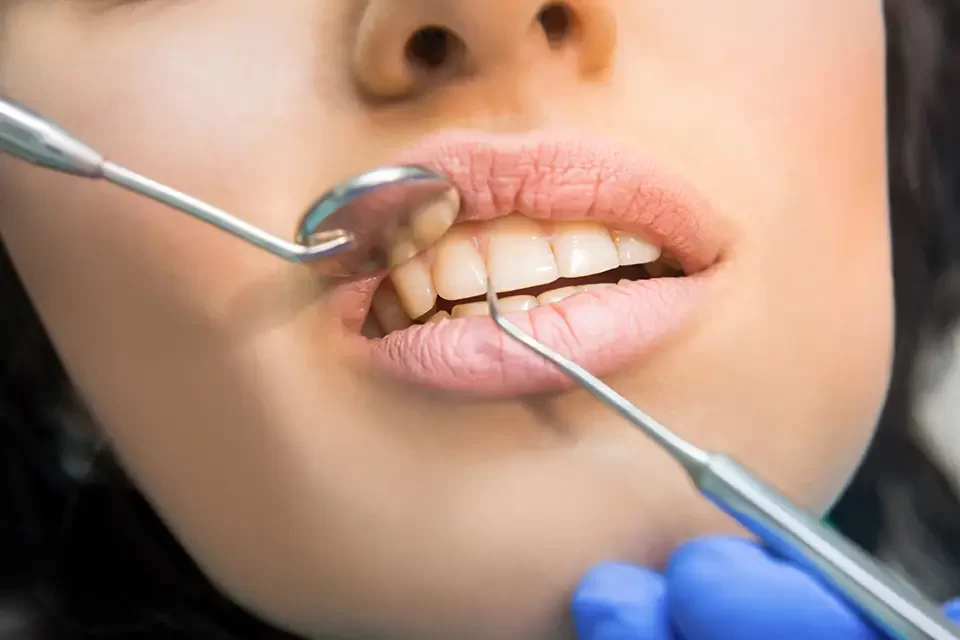
Tooth Filling Types: Amalgam (Silver Alloy)
Amalgam has a long track record for strength and value in back teeth. Among tooth filling types, it tolerates moisture better at placement and manages heavy bite loads.
Where it shines
- Durability under force: Reliable in large posterior cavities where chewing loads are high.
- Moisture forgiving: Placement is less sensitive to minor humidity compared with resin bonding.
- Cost-effective: Typically lower upfront fee than ceramics or onlays.
Trade-offs to know
- Aesthetics: Silver-grey colour is visible; not for smile zones.
- Non-bonded: Requires mechanical retention; can mean slightly more tooth reduction in some cases.
- Margins & cracks: Older, very large amalgams can contribute to cusp stress over many years.
Everyday fit: A practical option for low-visibility molars when strength and value trump cosmetics.
Tooth Filling Types: Amalgam (Silver Alloy)
Amalgam has a long track record for strength and value in back teeth. Among tooth filling types, it tolerates moisture better at placement and manages heavy bite loads.
Where it shines
- Durability under force: Reliable in large posterior cavities where chewing loads are high.
- Moisture forgiving: Placement is less sensitive to minor humidity compared with resin bonding.
- Cost-effective: Typically lower upfront fee than ceramics or onlays.
Trade-offs to know
- Aesthetics: Silver-grey colour is visible; not for smile zones.
- Non-bonded: Requires mechanical retention; can mean slightly more tooth reduction in some cases.
- Margins & cracks: Older, very large amalgams can contribute to cusp stress over many years.
Everyday fit: A practical option for low-visibility molars when strength and value trump cosmetics.
Tooth Filling Types: Glass Ionomer & Resin-Modified Glass Ionomer
Think of these tooth filling types as fluoride-friendly helpers. They release fluoride and bond chemically to tooth structure.
Where they shine
- Fluoride release: Supports remineralization in high-risk patients.
- Gentle on gums: Good for root-surface lesions and cervical (near-gumline) areas.
- Moisture tolerance: Practical where isolation is tricky.
Trade-offs to know
- Strength & wear: Softer than composite; best for small, non-stress areas or as liners under other materials.
- Finish: Less polishable gloss than resin or ceramic.
Everyday fit: Smart for non-bite-heavy repairs, pediatric use, or as part of a layered strategy.
Tooth Filling Types: Ceramic/Inlay–Onlay (Porcelain or Zirconia)
When a cavity is too large for a simple filling but not quite a crown, indirect ceramics step in. These tooth filling types are lab-made and bonded in.
Where they shine
- Strength + aesthetics: Excellent wear resistance and natural translucency.
- Margins & shape: Precision-milled, contoured for tight contacts and smooth surfaces.
- Longevity: Often outlasts large direct fillings when forces are high.
Trade-offs to know
- Two-step process: Prep + scan/impression, then a separate bonding visit (same-day CAD/CAM is possible in some cases).
- Higher fee: Lab work and bonding add cost.
- Preparation: More reduction than a tiny filling, but usually less than a full crown.
Everyday fit: Best for big chewing surfaces, cracked-tooth patterns, or when you want a stronger, aesthetic upgrade.
How We Choose Together (Decision Factors You'll Feel Later)
A good plan blends biology, mechanics, and your preferences. Here’s how we personalize tooth filling types at ORIS:
- Cavity size & location: Small grooves vs. multi-surface molar restorations need different materials.
- Bite forces & habits: Night grinding? We may lean ceramic/onlay or design composite strategically—and add a guard.
- Moisture control: Perfect isolation favours bonded composites/ceramics; tricky access may suit glass ionomer or amalgam in select spots.
- Colour goals: Smile-zone repairs push toward composite or ceramic.
- Budget & staging: We can phase treatment—repair now, upgrade later—when clinically safe.
Sensitivity, Longevity, and Maintenance (Real-World Expectations)
Across tooth filling types, brief post-op sensitivity is common and usually settles in days to a couple of weeks. Longevity ranges with size, location, technique, and habits:
- Composite: ~7–10 years in small–medium cases, longer with immaculate bonding and low forces.
- Amalgam: ~10–15+ years in large posterior restorations.
- Glass ionomer (exposed root/cervical): Variable; plan on monitoring/refreshing.
- Ceramic inlay–onlay: 10+ years with proper bonding and bite balance.
Maintenance tips that actually help: soft-bristle brushing at 45° to the gumline, daily interdental cleaning (floss or brushes), water between acidic drinks, and a night guard if you clench.
Costs & Timelines (They Vary by Factors)
Clear numbers help you plan, even as ranges. Appointment length depends on the number of teeth and complexity; most direct fillings take 30–60 minutes per tooth. Indirect ceramic restorations take two visits or a longer single visit if same-day milling is available. Fees vary by material, tooth location, and size; we always provide a written estimate before non-routine care. Remember: the best value is the material that stays sealed, feels right in your bite, and looks the way you want.
When Repair Beats Replacement (Conservative Wins)
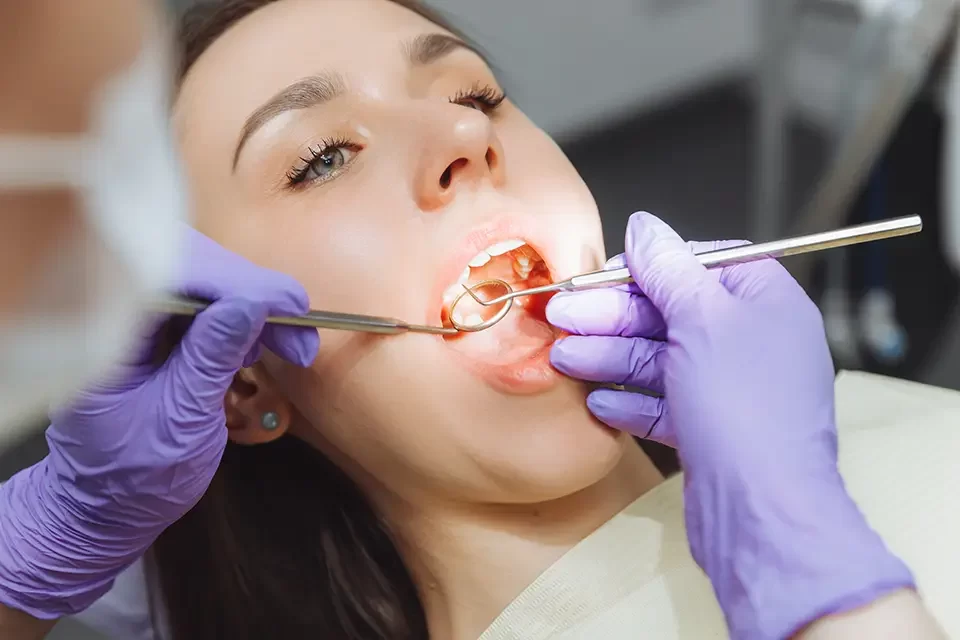
Not every worn margin needs a full redo. With many tooth filling types, we can polish, reseal, or add a small bonded repair to extend life. We replace fully when decay sneaks underneath, cracks extend, or shape/contacts can’t be restored safely. The goal is simple: keep healthy teeth, restore function, and avoid bigger work later.
Why ORIS Dental Clinics in Richmond Hill
You deserve choices explained without pressure. At ORIS, we photograph findings, show you options for tooth filling types in plain language, and map next steps that respect your time and budget. Isolation, careful bonding, accurate bite adjustment, and measured follow-up are standard here—not extras—because the details decide how long a restoration lasts.
Conclusion
Choosing between tooth filling types doesn’t need to be technical or tense. When material matches cavity, bite, and goals, the filling fades into daily life—quietly doing its job. If you’re weighing options or feeling a cold “zing,” book a visit at ORIS Dental Clinics in Richmond Hill, Ontario. We’ll examine, image where useful, explain trade-offs clearly, and recommend the lightest-touch fix that protects your tooth today and in the years ahead.
FAQs — Tooth Filling Types
Which tooth filling types look most natural?
Composite and ceramic restorations lead for appearance. Composite is great for small–medium areas with excellent bonding; ceramics (inlays/onlays) deliver top-tier translucency and wear resistance in larger areas.
Are there tooth filling types better for heavy grinders?
Yes. Larger stress zones may suit ceramic onlays or well-designed composites plus a night guard. Amalgam can perform in high-load molars, too, though aesthetics are limited.
Can I switch materials later?
Often. For example, a long-serving composite in a high-stress molar can be upgraded to a ceramic onlay if cracks or wear appear. We’ll preserve sound teeth wherever possible during the change.
Do any tooth filling types release fluoride?
Glass ionomer and resin-modified glass ionomer release fluoride and bond chemically, which is helpful for root surfaces or high-risk patients. They’re best reserved for low-stress areas or used as part of layered restorations.
How do I reduce post-filling sensitivity?
Most sensitivity fades within days. Gentle brushing, avoiding extreme temperatures briefly, and letting us adjust a high bite point can help. If sensitivity persists, we’ll reassess the seal and bite to keep the restoration comfortable.