
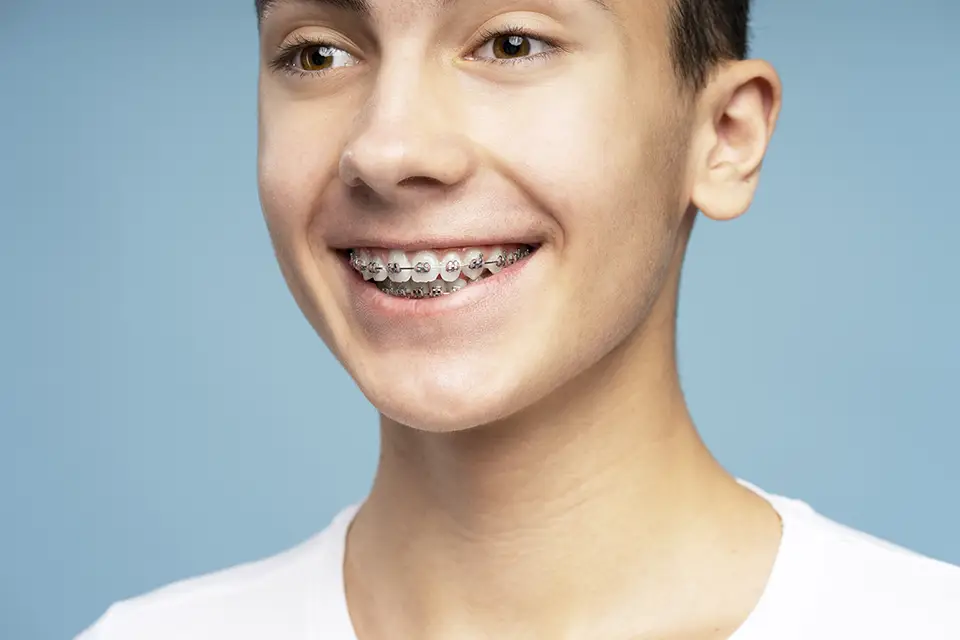
When someone decides to straighten their teeth, the first surprise is often just how many options exist. It’s no longer “braces or nothing.” Modern orthodontics offers several types of orthodontic braces, each designed for different lifestyles, teeth, and treatment goals. At ORIS Dental Clinics in Richmond Hill, Ontario, we walk patients through these choices every day—because the right fit is never only about appearance. Comfort, hygiene, predictability, and long-term stability all matter.
This guide breaks down seven key types of orthodontic braces in clear, practical terms, so you can see what each option does well, where the trade-offs are, and which might align best with your needs before you sit down for a consultation.
Understanding Types of Orthodontic Braces: Where to Start
Before comparing systems, it helps to remember one thing: all well-planned orthodontic options work by applying controlled, gentle force to move teeth through bone over time. The differences between types of orthodontic braces lie in:
- How visible they are
- How they’re adjusted
- How comfortable they feel for you
- How easy it is to keep your teeth and gums clean
- How precisely they can correct your specific bite
Your case—not a trend—should drive the final choice.
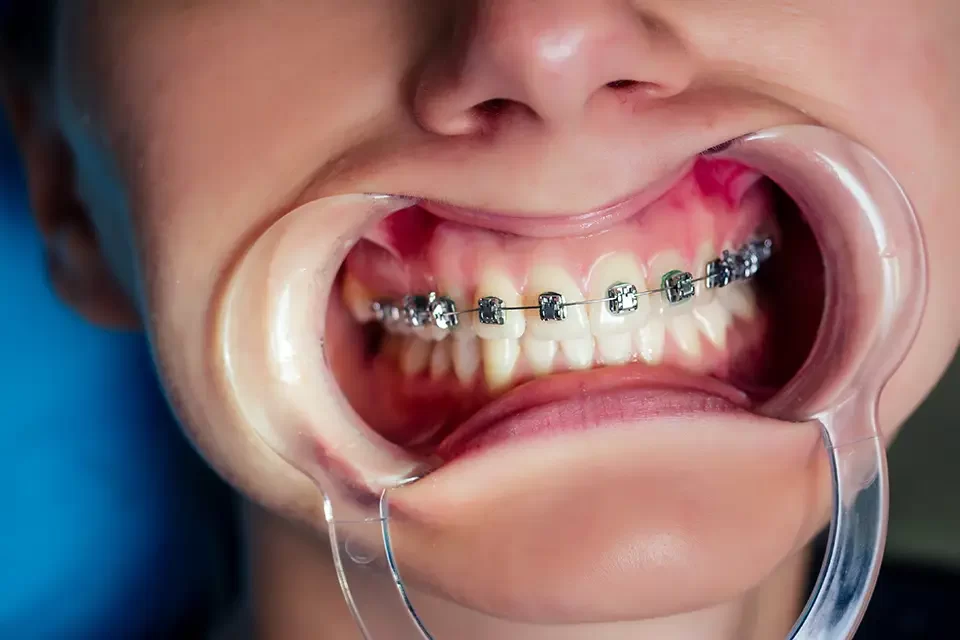
Traditional Metal Braces: Reliable, Precise, Widely Used
Metal braces remain a cornerstone among the types of orthodontic braces for a reason: they are highly effective, durable, and versatile.
Key points:
- Stainless steel brackets are bonded to each tooth
- An archwire connects them and is adjusted over time
- Suitable for mild to very complex cases
- Often the most cost-effective fixed option
For patients who prioritize results over discretion, or who have more challenging bite issues, traditional metal braces are still an excellent and honest solution.
Ceramic Braces: Types of Orthodontic Braces
Ceramic braces function like metal braces but use tooth-coloured or clear brackets that blend more naturally with enamel. They sit in the family of types of orthodontic braces designed for patients who want fixed control with less visual impact.
Considerations:
- Less noticeable in photos and conversation
- Can be slightly bulkier and more fragile than metal
- Careful hygiene is important to prevent staining around brackets
- Often chosen by older teens and adults seeking a balance between aesthetics and efficiency
They’re a good fit if you’re comfortable with fixed braces but prefer them not to stand out.
Self-Ligating Braces: Streamlined Adjustments
Self-ligating systems are another variant within modern types of orthodontic braces. They use specialized brackets with built-in clips instead of elastic ties.
Potential advantages:
- Easier cleaning around brackets (no elastic ties holding plaque)
- May reduce friction on the wire
- Appointments can be more efficient in some cases
They are still visible fixed braces, but with a design that some patients find more comfortable and convenient.
Lingual Braces: Types of Orthodontic Braces
Lingual braces sit on the inner (tongue-side) surfaces of the teeth, making them essentially invisible from the front. They offer one of the most discreet options within the types of orthodontic braces, especially for patients in public-facing roles.
Key points:
- Fully custom, placed behind the teeth
- Effective for many alignment and bite issues
- Can affect speech and comfort initially
- Require meticulous cleaning and experienced clinicians
They are ideal for patients who need fixed control but cannot compromise on front-view aesthetics.
Clear Aligners: Removable, Low-Profile Control
Clear aligner systems (such as Invisalign and similar brands) have become one of the most recognizable types of orthodontic braces—even though they don’t use brackets or wires.
How they work:
- A series of custom trays gradually move teeth
- Worn 20–22 hours per day
- Removed for eating, drinking (except water), and cleaning
Best suited for:
- Mild to moderate crowding or spacing
- Patients who are committed to wearing them as instructed
- Those who value easy brushing/flossing and minimal visual impact
Not every case is ideal for aligners alone. At ORIS Dental Clinics, we assess how your bite, rotation, and root positions match what aligners can reliably achieve.
Combination And Limited Treatments: Types of Orthodontic Braces
Not all treatments require a full, comprehensive approach. Some types of orthodontic braces are used in shorter, focused plans:
- Limited aligner treatment for front teeth alignment before restorative work
- Partial braces for specific segments
- Pre-prosthetic orthodontics to create space for implants or crowns
These options are chosen with a clear objective and realistic understanding of what will—and will not—be corrected. They can work well when integrated carefully into a broader treatment plan.
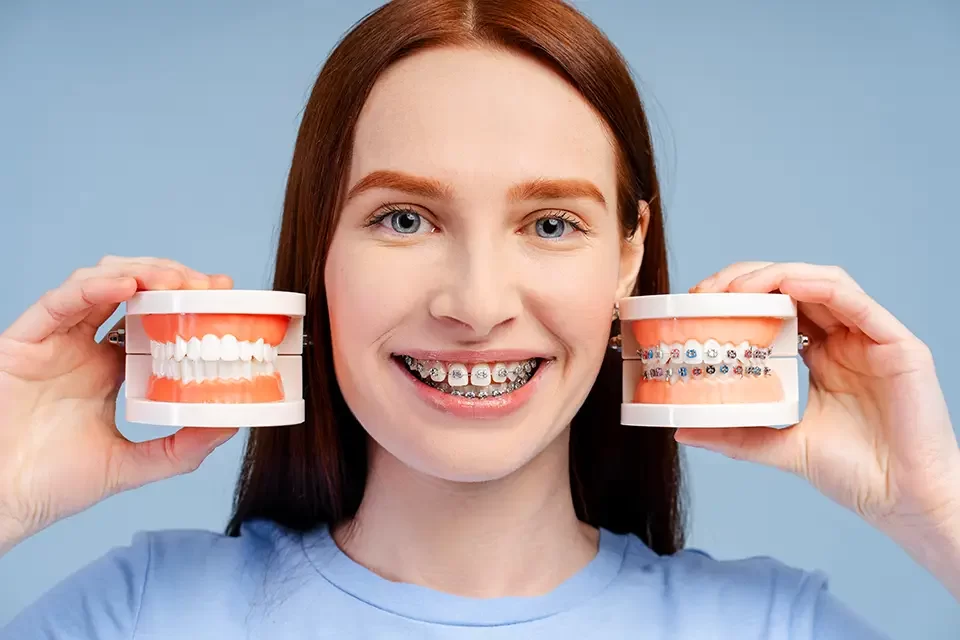
Retainers: The Non-Negotiable Finishing Step
Whatever you choose from the types of orthodontic braces, retention is essential.
Without retainers:
- Teeth naturally tend to shift
- Small movements over the years can undo careful work
Types of retainers include:
- Fixed (bonded) retainers
- Removable clear retainers
- In some plans, a combination of both
We design a retention plan that reflects how your teeth started, what was corrected, and how stable we expect them to be.
Types of Orthodontic Braces: How ORIS Dental Clinics Helps You Choose
At ORIS Dental Clinics in Richmond Hill, choosing between types of orthodontic braces is never a one-line answer.
We:
- Review your dental and medical history
- Examine your bite, jaw joints, tooth positions, and oral hygiene
- Discuss how visible you’re comfortable your treatment being
- Consider your schedule, lifestyle, and long-term goals
From there, we outline one or more suitable types of orthodontic braces, explain the pros and limitations of each, and give you space to decide with full information—not pressure.
If you’re considering orthodontic treatment and want a plan that fits your teeth, your timeline, and your comfort level, we’re here to help. Book a consultation with ORIS Dental Clinics in Richmond Hill and let’s review which types of orthodontic braces make the most sense for your smile—today and years from now.
FAQs: Types Of Orthodontic Braces
Which type works fastest?
Timing depends on your specific case, not just the system. Some types of orthodontic braces may deliver certain movements more efficiently, but planning and compliance are bigger factors than marketing claims.
Are clear aligners as effective as braces?
For many mild to moderate cases, yes. For complex rotations, severe crowding, or significant bite changes, traditional or hybrid approaches may still be recommended. We’ll tell you honestly where aligners are strong—and where they’re not.
Do ceramic or lingual braces stain easily?
Ceramic brackets themselves resist staining; elastics around them can discolour and are changed periodically. Lingual systems don’t affect your visible enamel shade but demand thorough cleaning.