
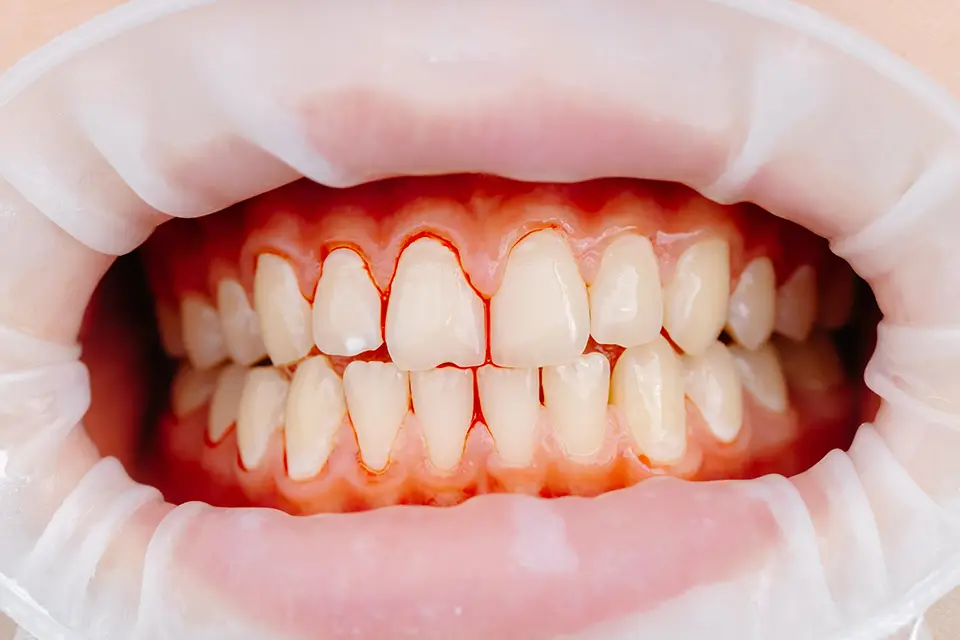
Tingling at the gumline after you floss. A faint metallic taste. Breath that doesn’t stay fresh for long. Individually, these seem small—but together they can point to early signs of gum disease. At ORIS Dental Clinics in Richmond Hill, Ontario, our dental professionals see how catching problems early keeps care simpler, more comfortable, and far more affordable in the long run. This guide breaks down the most common signs of gum disease you might notice at home, what they actually mean, when to act, and what a sensible treatment path looks like. No scare tactics—just clear, practical detail so you can make informed decisions and protect your smile.
Why Early Detection Matters
Gum disease begins quietly. Bacteria gather where the toothbrush misses, the gums react, and inflammation slowly widens the space between tooth and tissue. Addressing early signs of gum disease stops that cycle before it damages bone, shortens teeth visually, or leads to loose teeth. In plain terms: earlier attention usually means shorter appointments, less tenderness, and better long-term stability.
1) Red, Swollen Gums — Early Signs of Gum Disease
Gums should look coral pink and firm. Puffiness or a darker, angrier red tone is your first dashboard light.
- Persistent Redness: Inflammation concentrates at the margin where plaque sits, often starting between teeth.
- “Rolled” Edges: Swollen gum rims trap more plaque, making the problem self-reinforcing.
- Shiny Surface: Inflamed tissue reflects light differently; that glossy look is a subtle but telling clue.
2) Bleeding When Brushing or Flossing
Healthy gums don’t bleed with routine care. If you see pink in the sink more days than not, treat it as a meaningful data point. Early signs of gum disease often show up here first because inflamed capillaries rupture easily. Don’t stop flossing—instead, refine technique and schedule a periodontal check so we can pinpoint where bleeding starts and why.

3) Bad Breath That Stays — Hidden Signs of Gum Disease
Morning breath clears with hygiene; chronic odour does not.
- Sulphur Compounds: Bacteria below the gumline produce gases that persist beyond toothpaste.
- Tongue Coating: A thick coating can amplify odour; cleaning the tongue helps but doesn’t fix subgingival issues.
- Pattern Check: If breath improves for a day after a cleaning and then rebounds, sub-gum deposits are likely part of the picture—classic signs of gum disease.
4) Gum Recession and Tooth Sensitivity
When gums pull back, roots become exposed. You may notice “longer” teeth or zingy sensitivity to cold water. Recession can reflect a mix of factors—vigorous brushing, thin tissue biotype, or chronic inflammation from signs of gum disease. Smoothing root roughness, easing inflammation, and adjusting technique often cut sensitivity and help tissue stabilise.
5) Tenderness, Soreness, or Pain (Often Mild)
Pain is not guaranteed—and that’s the trap. Many people feel only mild tenderness at first.
- Chewing Discomfort: Localized ache when biting suggests inflamed support tissues.
- Floss “Catches”: Thread snagging under the gum can indicate calculus ledges.
- Dull, Bruised Feeling in the Gums: A dull, bruised feeling after brushing is a quieter sign of gum disease that still matters.
6) Loose Teeth or Spacing Changes
Teeth don’t drift for no reason. If your bite feels “off,” or a familiar food suddenly wedges where it never did, we check for attachment loss. Micromovement is an under-recognized consequence of ongoing inflammation. Stabilizing the foundation often brings the bite back to normal and prevents further shifting linked to progressive signs of gum disease.
7) Deepening Gum Pockets (≥4 mm)
Deeper pockets are small hiding places for plaque and calculus that home tools can’t reach. They’re a measurable marker we track at six points per tooth. Persistent depths are among the more objective signs of gum disease—and they guide both treatment and follow-up.
8) Pus (Suppuration) at the Gumline
Any pus is a red flag for active infection. It may appear as a bead near the gum edge or when gentle pressure is applied. This is not a “wait and see” scenario; it’s a clear indicator that targeted periodontal treatment should start promptly.
9) Metallic or Unpleasant Taste That Lingers
A recurring metallic or sour taste can reflect inflammatory fluid and bacterial by-products under the gumline. When this pairs with bleeding or puffiness, it points strongly to early signs of gum disease rather than a one-off food or medication effect.
10) Visible Tartar (Calculus) at or Under the Gumline
That chalky or dark line near the gum is hardened plaque. Once mineralized, it cannot be brushed away and continues to irritate tissues until removed professionally. Visible calculus, especially between teeth, is one of the most straightforward signs of gum disease to spot.
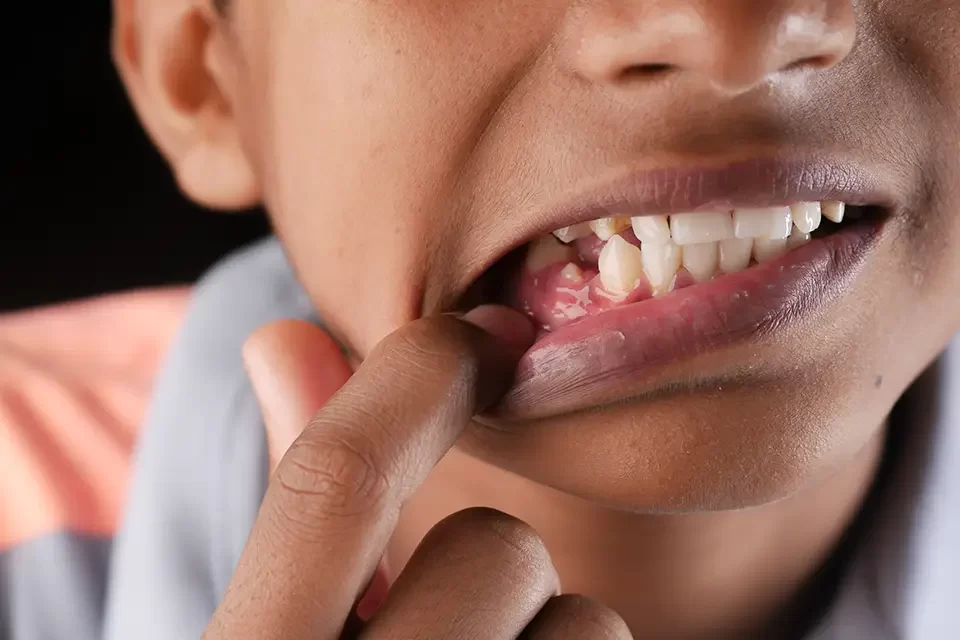
Treatment Path and Recovery Timelines for Signs of Gum Disease
Care scales to the severity. For early signs of gum disease, a combination of targeted hygiene instruction and a professional cleaning may be enough. When pockets deepen, we typically recommend quadrant-based scaling and root planing (deep cleaning). Most cases complete active therapy in 1–2 visits of 60–90 minutes each, followed by a 4–6 week re-evaluation. Costs vary by complexity, number of sites, and adjuncts used; in Ontario, expect approximately $250–$450 per quadrant for deep cleaning. Insurance coverage differs by plan, so we provide a written estimate and can submit a predetermination. No guarantees—final timelines and fees depend on your specific clinical findings and healing response.
Daily Habits That Help Healing Stick
Consistency beats gadgets. Angle a soft brush into the gumline using small circles; clean between teeth daily with floss or interdental brushes; and, if recommended, use a short course of antimicrobial rinse exactly as directed. After early signs of gum disease calm down, maintenance intervals (often every 3–4 months at first) keep tissues stable, so routine cleanings stay routine.
Why ORIS Dental Clinics in Richmond Hill Is a Smart Local Choice
At ORIS Dental Clinics in Richmond Hill, our team pairs precise diagnostics with calm, stepwise care. You’ll see pocket measurements and photos of key areas, not just hear numbers. We plan visits so each quadrant gets focused attention, then coach you on the two or three small habits that prevent signs of gum disease from creeping back. It’s transparent, collaborative, and designed for long-term comfort—not quick fixes.
Conclusion
Gum health changes how your mouth feels every day—less bleeding, fresher breath, and easier brushing that actually works. Spotting the earliest signs of gum disease lets you act while solutions are simple and comfortable. If you’ve noticed tenderness, stubborn odour, or pink in the sink, book a periodontal assessment at ORIS Dental Clinics in Richmond Hill, Ontario. We’ll map what’s happening, explain it in plain language, and outline a personalized plan with realistic timelines and estimates—so you leave with clarity and a straightforward path to healthier gums.
FAQs — Signs of Gum Disease
How do I know if bleeding is serious or just from flossing harder?
If bleeding happens more than occasionally, especially in the same spots, treat it as one of the early signs of gum disease. Technique matters, but persistent bleeding usually reflects inflammation that deserves a professional check.
Can gum disease be present without pain?
Yes. Many people feel no pain until the later stages. Look for subtle cues—bad breath that lingers, puffy edges, or floss catching under the gum—as practical early warnings.
Will deep cleaning fix the recession?
Deep cleaning controls inflammation and helps gums tighten, but it doesn’t “grow back” lost tissue. For a recession that affects comfort or aesthetics, we may discuss protective bonding, desensitizing treatments, or a referral for grafting where appropriate.
How long does it take for gums to improve once I start treatment?
Freshness often improves within days; bleeding and puffiness typically reduce within one to two weeks. We re-measure pockets about 4–6 weeks after therapy to confirm healing and adjust the plan if needed.