
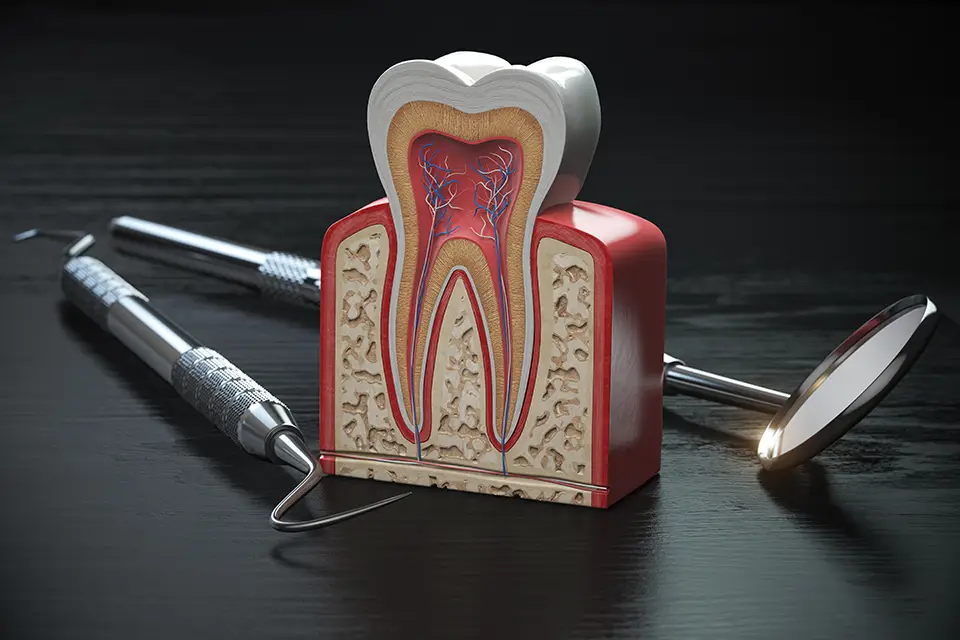
Tooth pain can take over your day. When the inside of a tooth (the pulp) is inflamed or infected, saving the tooth is often possible—and usually the best option. That’s the goal of a root canal therapy procedure. It removes the source of pain, cleans the inside of the tooth, seals it, and helps you keep your natural smile. At ORIS Dental Clinics in Richmond Hill, Ontario, our dental professionals explain the steps clearly before we begin, so the process feels calm, predictable, and doable.
Root Canal Therapy Procedure: When It's Needed
Not every sore tooth needs a root canal. Signs that point in this direction include:
- Pain that lingers after hot or cold
- Throbbing or night pain
- Tenderness when chewing or touching the tooth
- A pimple-like spot on the gum near the tooth (drainage)
- Deep decay, a crack, or a very large old filling
Our dental professionals confirm the need with an exam and X-rays. The idea is simple: if the nerve is damaged or infected, a root canal therapy procedure can relieve pain and save the tooth.
Before We Start: Assessment and Planning
Good planning makes treatment smoother.
- Comfort plan: We review your medical history and discuss numbing options.
- Imaging: X-rays (and sometimes a 3D scan) show the roots and surrounding bone.
- What to expect: We outline whether your case looks like a one-visit or two-visit root canal therapy procedure and what comes after (temporary filling, then final restoration).
Getting Comfortable and Gaining Access
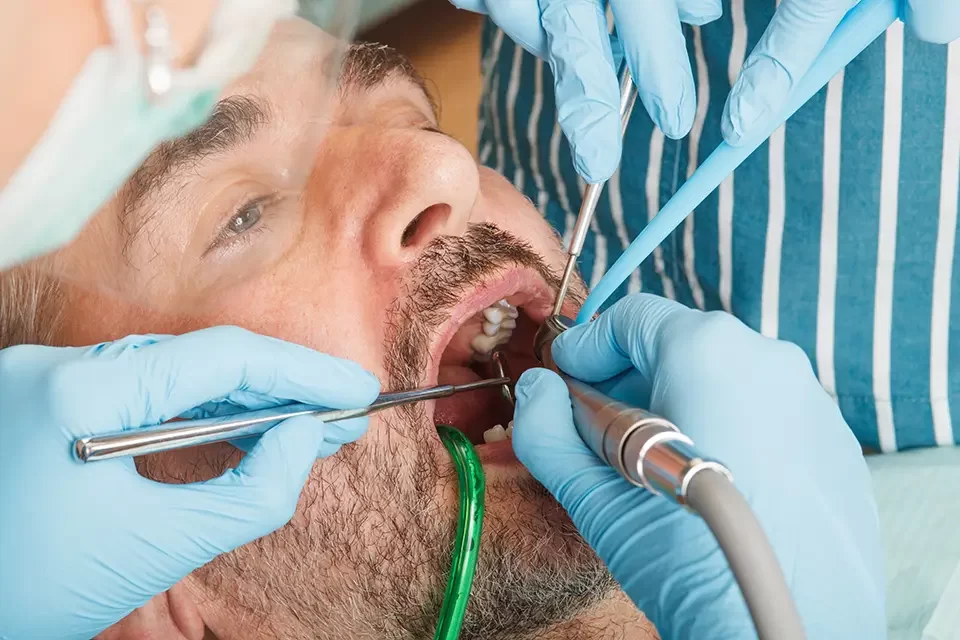
First, we make the tooth numb and test it to be sure you’re comfortable. A small opening is made through the biting surface (back teeth) or the back side (front teeth). This opening lets us reach the tiny canals inside the roots. A protective rubber sheet (rubber dam) keeps the area clean and dry.

Cleaning the Inside: The Heart of the Root Canal Therapy Procedure
Inside each root are narrow canals that once held nerves and blood supply. During a root canal therapy procedure, we:
- Gently shape the canals with small instruments.
- Rinse with solutions that wash away bacteria and debris.
- Dry the space so it’s ready to be sealed.
Think of it as a deep clean from the inside out. Removing infection and bacteria is what settles pain for good.
Sealing the Tooth from the Inside
Once clean and dry, the canals are sealed with a safe, rubber-like material (gutta-percha) and a dental sealer. This step blocks bacteria from returning. We place a temporary or a bonded core on top to close the access.
Restoring Strength: Filling or Crown?
A tooth that’s had a root canal therapy procedure still needs protection on top. Front teeth with plenty of healthy enamel may do well with a bonded filling. Back teeth—especially those with big cavities or cracks—usually need a crown to prevent future breaking. Our dental professionals will explain which option fits your tooth and why.
Root Canal Therapy Procedure: What You'll Feel After
Most people feel better than before treatment within a day or two. Mild tenderness to chewing is common for a few days—over-the-counter anti-inflammatories usually help. Call us if you notice swelling, pain that gets worse after 48–72 hours, or a bite that feels “too high.” Those are easy to adjust and worth fixing quickly.
Root Canal Therapy Procedure: One Visit or Two?
- Single visit: If the tooth is uncomplicated and there is no active infection, many root canal therapy procedure cases finish in one appointment.
- Two visits: If there’s an active infection or more complex anatomy, we may place a soothing medication inside the tooth and seal it at the next visit.
- Final restoration: The long-term filling or crown follows soon after—often within 1–3 weeks—once tenderness settles.
The schedule follows biology. We move at the pace that protects your comfort and the success of the tooth.
Why Some Root Canals Fail—and How We Prevent That
Failures are uncommon, but they can happen if a canal was missed, if bacteria weren’t fully removed, or if the top of the tooth wasn’t sealed well afterward. We reduce those risks by using magnification, careful cleaning, and a solid final restoration. If you’ve had a past treatment that still hurts, retreatment or a minor surgical fix can often save the tooth.
Long-Term Care: Keep the Tooth, Keep the Comfort
A well-done root canal therapy procedure can last many years. You can help by:
- Keeping regular cleanings and exams
- Wearing a night guard if you clench or grind
- Easing back into hard foods on a newly treated molar
- Calling early if something feels “off” rather than waiting
How ORIS Dental Clinics Supports You
From first exam to final crown, our dental professionals focus on clarity and comfort: clear imaging, step-by-step explanations, and a written aftercare guide you can keep on the fridge. If a specialist is the best fit for part of your case, we coordinate closely and remain your main point of contact.
Conclusion
A root canal therapy procedure is a careful, step-by-step way to end pain and keep your natural tooth. Numb the area, clean the inside, seal it well, and protect it on top—that’s the roadmap. If you’ve been living with lingering tooth pain, it doesn’t have to stay that way.
Ready for answers and relief? Book a visit with ORIS Dental Clinics in Richmond Hill, Ontario. Our dental professionals will evaluate the tooth, explain your options in plain language, and guide you through treatment that’s designed to last.
FAQs
Will the procedure hurt?
With modern numbing, most patients feel pressure, not sharp pain. Mild soreness afterward is typical and fades within a few days.
Why would I need a crown after a root canal?
Back teeth take heavy bite forces. If much tooth structure was lost, a crown helps prevent cracks and extends the life of the tooth.
How long does the whole process take?
Many cases finish in one visit, followed by a separate appointment for the final filling or crown. More complex infections may need two visits.
Can a previously treated tooth be saved if it's still sore?
Often, yes. Retreatment can address missed canals or leaks. If that’s not ideal, a small surgical procedure at the tip of the root can still resolve the problem in many cases.