
If you tense up at the sound of a handpiece or put off care because you can’t sit comfortably through long appointments, you’re not alone. At ORIS Dental Clinics in Richmond Hill, Ontario, we use modern sedation options to make treatment calmer, safer, and more efficient. In this guide, we’ll explain the benefits of sleep dentistry in plain language—what it is, who it helps, and how we keep you comfortable from consult to recovery. You’ll also see how the benefits of sleep dentistry extend beyond anxiety relief: fewer visits, steadier vitals, and better outcomes for complex work. Our goal is a predictable experience that respects your health history, schedule, and preferences—without overpromising results.
What "Sleep Dentistry" Really Means (And What It Doesn't)
“Sleep dentistry” is an umbrella term for clinically supervised sedation ranging from light relaxation to deeper, procedure-level calm; most dentistry is performed with you breathing on your own. Options include nitrous oxide (laughing gas), oral conscious sedation, and IV sedation. General anesthesia is rarely needed in a dental office setting and may be hospital-based when appropriate. Knowing these distinctions matters before weighing the benefits of sleep dentistry for your situation.
The Benefits of Sleep Dentistry: Comfort Without Compromise
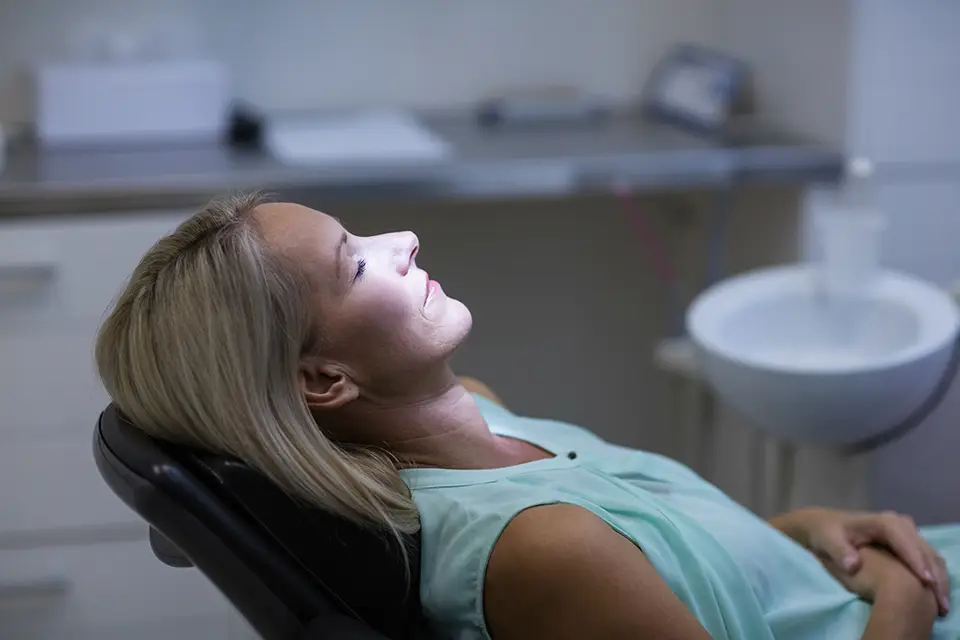
Sedation reduces fear signals and lowers hyper-reactivity to sounds, smells, and touch. That calmer baseline allows gentler anesthetic delivery, steadier breathing, and fewer start–stop moments during treatment. The benefits of sleep dentistry also include improved pain control after your visit; when the appointment is more relaxed, the surrounding tissues are less irritated, which often translates into easier recovery.
The Benefits of Sleep Dentistry for Complex or Multi-Step Care
Big care plans feel smaller when grouped sensibly. With the right sedation, we can combine procedures—cleaning under the gums, multiple fillings, or crown preparations—into fewer, longer sessions. This is where the benefits of sleep dentistry shine: you spend less total time in the chair, avoid multiple rounds of numbing, and finish phases of care faster without sacrificing precision.
Safety First: Who Qualifies and How We Decide
Before recommending sedation, we review your medical history, medications, allergies, and previous experiences. We check blood pressure, oxygen levels, and (when relevant) recent medical notes. Some conditions are well suited to light or moderate sedation; others may call for a hospital setting or a different approach. Clear criteria ensure you experience the benefits of sleep dentistry with the right margin of safety for your health.
Your Options at ORIS Dental Clinics (Richmond Hill)
We tailor sedation to the person and the procedure:
- Nitrous Oxide (Laughing Gas): Fast on, fast off. Ideal for hygiene, simple fillings, or patients who want mild relaxation with full awareness.
- Oral Conscious Sedation: A prescribed tablet produces a deeper calm; you remain responsive but relaxed. Good for longer appointments.
- IV Sedation: Titrated in real time for consistent comfort, with continuous monitoring. Useful for complex or lengthy treatments.
Whichever path you choose, the benefits of sleep dentistry rely on careful dosing, trained providers, and continuous observation.
The Benefits of Sleep Dentistry for Anxiety, Strong Gag Reflex, And Special Needs
Sedation dampens the reflex loops that can make care feel impossible. For pronounced gag reflexes, a light level often transforms a tough impression or X-ray into a simple step. Patients with sensory sensitivities or movement disorders may find appointments more manageable, too. These are the everyday, practical benefits of sleep dentistry that make routine care achievable—not just one-off procedures.
What To Expect on the Day (Step-By-Step)
A predictable plan makes the experience easier to trust.
- Arrival & Checks: We confirm your escort (for oral/IV), take vitals, and review consent and questions.
- Monitoring & Numbing: We place monitors, start nitrous/oral/IV as planned, and numb carefully after you’re relaxed.
- During Treatment: You’re continuously observed; we adjust sedation for steady comfort and airway safety.
- Recovery & Review: We monitor until you meet discharge criteria, then give written instructions and a contact number.
These steps are part of the design that turns the benefits of sleep dentistry into a calm, repeatable experience.
Benefits of Sleep Dentistry: Preparation and Aftercare That Make a Difference
Small habits improve comfort and recovery.
- Follow Fasting and Medication Guidance: We’ll tell you exactly what to eat, drink, or hold the morning of your visit.
- Plan Your Day: Arrange a ride home for oral/IV cases and take it easy after.
- Hydrate And Eat Soft Foods: Comfort improves when you refuel gradually.
- Use The Written Plan: Doses, timing, and warning signs are in plain English, so you’re never guessing.
Consistent prep and aftercare help you realize the full benefits of sleep dentistry with fewer bumps along the way.
Costs, Coverage, And Timelines (They Vary by Factors)
Fees depend on the sedation type, appointment length, and clinical complexity. Some benefit plans cover sedation for specific procedures or medical indications; others do not. We provide written estimates and, when helpful, staged plans (e.g., prioritizing urgent areas first). The benefits of sleep dentistry often include overall savings in time and travel when multiple procedures are combined, even if sedation itself isn’t fully covered.
How We Keep Results Predictable (Quality and Monitoring)

We use evidence-based dosing protocols, capnography/oxygen monitoring where indicated, and standard emergency readiness. We also design procedures around your baseline—shorter cycles for mouth open time, breaks as needed, and careful jaw support. That’s how we turn theoretical benefits of sleep dentistry into consistent comfort and stable outcomes.
Benefits of Sleep Dentistry: Why Choose ORIS Dental Clinics in Richmond Hill
Our approach is calm, thorough, and transparent. You’ll see the plan, meet the clinical team, and understand each decision before treatment begins. We combine sedation with conservative techniques and modern materials so your appointment isn’t just easier—it’s efficient and precise. When you’re ready, we’ll map a timeline that suits your schedule and health goals while preserving all the benefits of sleep dentistry you value most.
Conclusion
Fear, a strong gag reflex, or complex care needs shouldn’t keep you from a healthy, confident smile. With thoughtful screening, the right sedation level, and clear aftercare, the benefits of sleep dentistry are tangible: calmer visits, fewer appointments, and results that hold up in everyday life. If you’re considering this option, book a consult at ORIS Dental Clinics in Richmond Hill, Ontario. We’ll review your history, outline choices, and design a plan that puts comfort and safety first—so getting the care you need finally feels doable.
FAQs — Benefits of Sleep Dentistry
Will I Be Completely Asleep?
Usually, no. Most patients are in a relaxed, responsive state. That’s enough to unlock the main benefits of sleep dentistry—reduced anxiety, steadier vitals, and easier treatment—without the risks of full general anesthesia.
Is Sedation Safe If I Have Medical Conditions?
In many cases, yes—with proper screening and monitoring. We review your medications and history, coordinate with your physician when needed, and choose the lightest effective level to deliver the benefits of sleep dentistry safely.
How Will I Feel Afterward?
Nitrous wears off quickly; you can usually resume normal activities. Oral and IV sedation may leave you drowsy—plan a quiet day and no driving. Mild jaw or injection-site tenderness is normal and short-lived.