
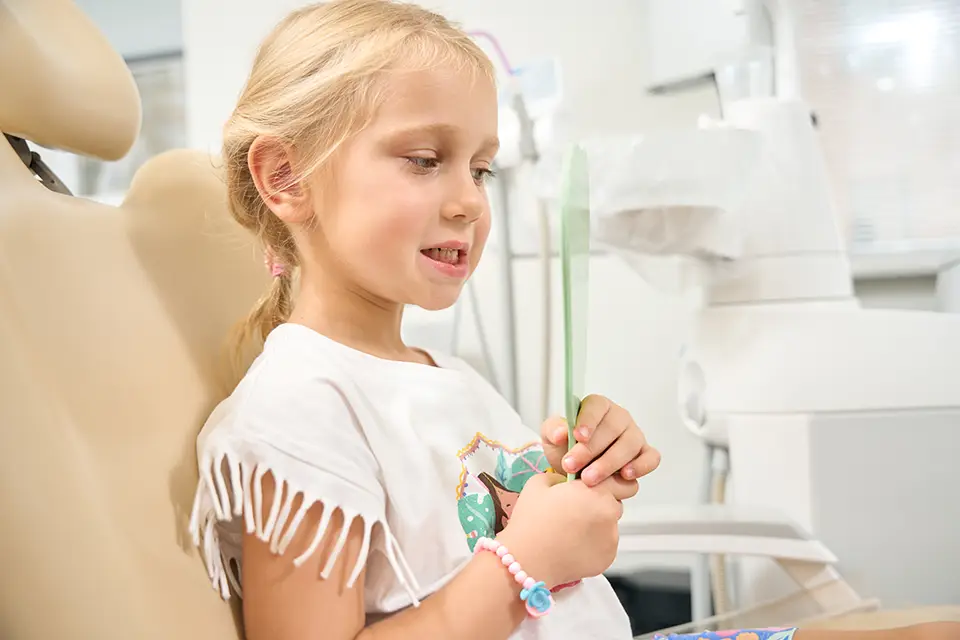
A few phrases worry parents, like “root canal,” especially when it involves a child. The good news: pediatric root canal therapy is calmer, gentler, and more common than most families realize—and it often saves a tooth that would otherwise be lost. In this guide from ORIS Dental Clinics in Richmond Hill, Ontario, you’ll learn what pediatric root canal therapy actually involves, why dentists recommend it, how we keep kids comfortable, and what recovery looks like at home. We’ll also walk through timelines, cost factors, and when alternatives make more sense. The aim is simple: clear steps, honest expectations, and practical tips so your child can get back to eating, sleeping, and smiling—without tooth pain calling the shots.
What Is Pediatric Root Canal Therapy?
Pediatric root canal therapy is a tooth-saving procedure that removes inflamed or infected soft tissue from inside a baby or adult tooth, disinfects the space, and seals it to prevent reinfection. In baby molars, we often preserve healthy root structure so the tooth can hold space for the permanent one developing underneath. In older children and teens, the approach depends on growth stage and the tooth’s condition. Either way, the goal is to stop pain, protect developing jaws, and keep chewing comfortable.
Signs a Child May Need Help (And Why Early Care Matters)
Tooth pain rarely improves on its own once the nerve is involved. Watch for:
- Night-time toothache or pain with chewing that keeps your child from sleeping.
- Sensitivity to hot/cold that lingers more than a minute.
- Swelling or a small “pimple” on the gum, which may drain.
- Deep cavity on a back tooth or a cracked tooth after injury.
- Bad taste or odour from one area of the mouth.
Catching problems early keeps treatment simpler—often a smaller pulpotomy rather than full pediatric root canal therapy—and helps children bounce back quickly.
More: Root Canal vs Extraction: Which Option Is Best for You?
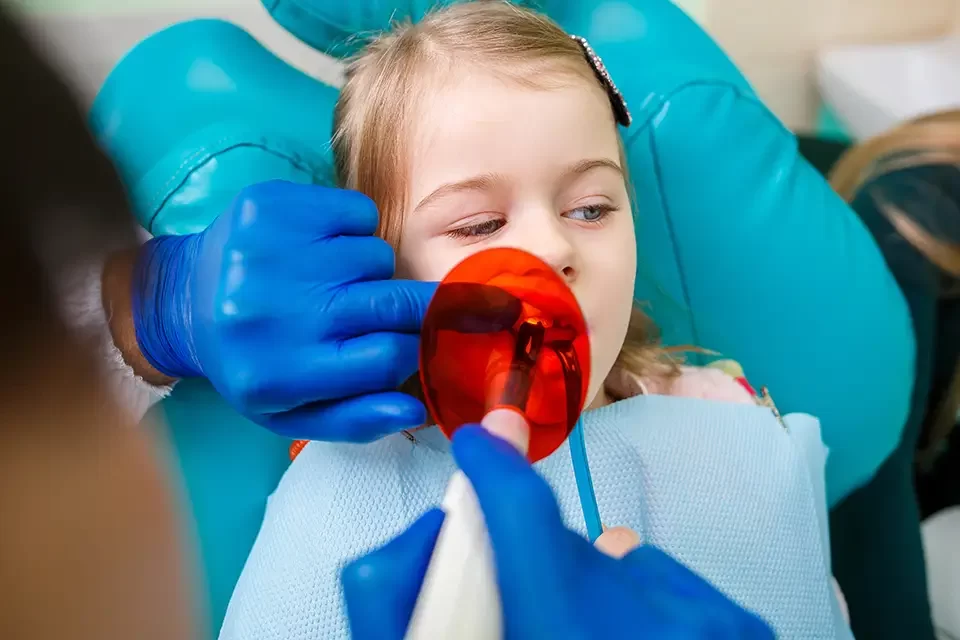
Pediatric Root Canal Therapy vs. Extraction: Making the Right Choice
Removing a tooth can look like the fastest route, but it often creates new problems. Baby molars hold space for adult teeth; if they’re lost too early, neighbouring teeth drift, and crowding follows. A well-done pediatric root canal therapy keeps bite development on track, preserves speech patterns and chewing, and avoids the need for space maintainers or future orthodontic corrections. Extraction may still be best when the tooth is too damaged to restore or when infection is extensive—your dentist will explain the trade-offs clearly so you can choose with confidence.
Step-by-Step: What Happens on Treatment Day
We keep the rhythm predictable, with short breaks and clear check-ins.
- Comfort First: Numbing gel, local anesthesia, and age-appropriate reassurance.
- Isolation & Clean Field: A small protective shield (rubber dam) keeps the tooth dry and safe.
- Gentle Removal of Inflamed Tissue: We clear only what’s affected and rinse with child-safe disinfectants.
- Sealing the Inside: A biocompatible medicated material calms the tooth and blocks bacteria.
- Final Restoration: Most baby molars receive a strong protective crown the same day to prevent future fractures.
Because the steps are structured, many children complete pediatric root canal therapy in one visit and feel immediate relief.
Pediatric Root Canal Therapy: Comfort, Safety, and Anxiety Control
Kids do best when they know what to expect. We use simple language, tell-show-do coaching, and distraction (music, counting, gentle breathing). For very young or highly anxious children, we may recommend nitrous oxide or other behaviour-guidance options. Our focus is to keep pediatric root canal therapy calm: excellent numbing, short appointments, and techniques that respect small mouths and big feelings.
Materials, Crowns, and How Long Results Last
Saving a tooth is only the first step; protecting it is the second. Baby molars that undergo pediatric root canal therapy typically receive stainless-steel or tooth-coloured crowns to shield the remaining structure from cracks and new decay. These crowns are durable, smooth, and designed for busy, active kids. With good brushing, flossing help from a parent, and routine cleanings, treated teeth often remain comfortable and functional until they naturally fall out as part of normal development.
Costs and Timelines for Pediatric Root Canal Therapy (They Vary by Factors)
Families deserve clear expectations. Fees are influenced by the tooth involved (front vs. molar), the extent of infection, any sedation needs, and the type of crown used. Timelines also vary: some cases finish in a single visit; others benefit from a short interim period to ensure complete comfort before the final crown. We’ll provide a written estimate and map each step so pediatric root canal therapy stays predictable. No guarantees—biology and home care matter—but staging keeps decisions simple and budget-aware.
Home Care After Treatment
A few small steps make healing smooth:
- Day 1–2: Offer soft foods; avoid chewing on the treated side until numbness fully wears off.
- Comfort: Over-the-counter pain relief (as advised) usually handles mild tenderness.
- Brushing: Continue twice daily; be gentle near the gum for the first evening.
- Watch Points: Call us if swelling increases, pain returns after initial relief, or the crown feels high or rough.
- Habits: Reinforce water over sugary drinks, and pause sticky candies that can pull on crowns.
These habits help pediatric root canal therapy results last and keep future visits quick and easy.
Pediatric Root Canal Therapy: Sports, Snacks, and School
Kids can usually return to school the next day. Pack a water bottle, choose softer snacks at first (yogurt, bananas, pasta), and let teachers know your child had dental care so they can excuse heavy physical activity for 24 hours if needed. If your child plays contact sports, a properly fitted mouthguard protects all teeth—treated or not—and reduces future injuries that might otherwise require pediatric root canal therapy again.

Why ORIS Dental Clinics in Richmond Hill
You’ll get a child-centred team, clear explanations, and careful follow-up. We use photography to show before/after, share brushing coaching in kid-friendly steps, and coordinate recalls so crown checks happen on time. Most importantly, we tailor pediatric root canal therapy to your child’s age, personality, and health needs—so the experience is as positive as the outcome.
Conclusion
Tooth pain can derail sleep, school, and mealtimes, but it doesn’t have to run your week. With early diagnosis, gentle techniques, and the right restoration, pediatric root canal therapy is a straightforward way to stop pain, save a tooth, and keep your child’s smile developing on schedule. If your child has lingering sensitivity, swelling, or a lingering toothache, book a visit with ORIS Dental Clinics in Richmond Hill. We’ll examine the tooth, explain options plainly, and create a step-by-step plan that protects comfort today and oral health for the years ahead.
FAQs — Pediatric Root Canal Therapy
Does my child really need a root canal on a baby tooth?
Sometimes, yes. Baby molars hold space for adult teeth; losing them early can lead to crowding. When infection is localized and the tooth structure is restorable, pediatric root canal therapy can relieve pain and preserve normal development.
Will my child feel pain during the procedure?
We use numbing gel, local anesthesia, and age-appropriate behaviour techniques. Mild tenderness afterward is common but brief. Most children return to school and regular routines quickly after pediatric root canal therapy.
Are crowns always required after treatment?
For baby molars, usually. Crowns protect the tooth from fracture and new decay, helping the result last until the tooth naturally exfoliates. Front teeth and specific cases may be restored differently—your dentist will advise.