
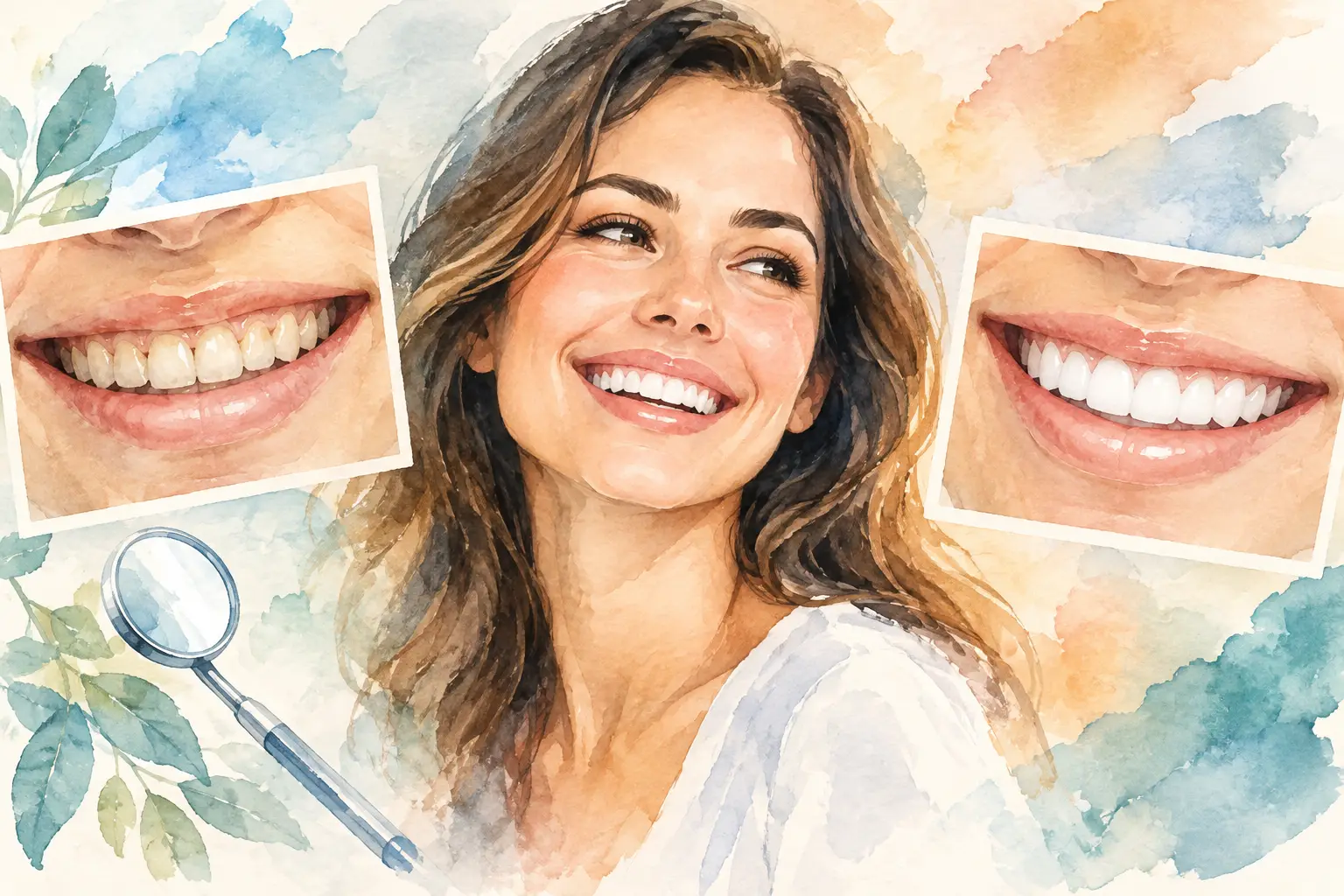
A smile makeover is rarely one single treatment. For one person, the meaningful change may be closing a small gap that has bothered them since high school. For another, it may mean replacing worn, missing, or damaged teeth so they can eat comfortably and smile without covering their mouth. These smile makeover patient examples show why the right plan begins with the person, not with a one-size-fits-all cosmetic procedure.
At ORIS Dental Clinics, smile planning considers appearance alongside bite function, gum health, tooth structure, comfort, and the long-term maintenance each option requires. The best result should look natural in your face and feel dependable in daily life.
Smile makeover patient examples: common starting points
Every smile has a different history. Teeth can darken gradually, shift after orthodontic treatment, wear down from grinding, or become damaged through decay and injury. The following examples are representative treatment scenarios, not promises of a particular outcome. Your care may involve fewer, more, or different steps depending on your oral health and goals.
Example 1: Staining and uneven edges
A patient may have healthy teeth but feel that their smile looks dull in photographs. Coffee, tea, red wine, tobacco, certain medications, and normal aging can all contribute to discolouration. They may also have minor chips or uneven incisal edges that make the front teeth look less balanced.
Professional whitening may be the first step when the main concern is shade. Once the desired colour is reached, conservative composite bonding can refine small chips, soften uneven edges, or improve symmetry. This approach preserves more natural tooth structure than full-coverage options, but bonding can stain or chip over time and may need periodic polishing, repair, or replacement.
Example 2: Small gaps and teeth that look out of proportion
A gap between the front teeth can be a distinctive feature, but some patients would prefer a more even appearance. Others feel their teeth look narrow, short, or slightly mismatched in shape. When tooth position is generally favourable, bonding or porcelain veneers may create a more balanced smile.
Bonding is often a practical choice for modest changes. Veneers can offer greater control over colour, shape, and surface texture, particularly when several front teeth require changes. However, veneer treatment requires careful evaluation. It is not automatically the best choice for every gap, and it may not be appropriate if active gum disease, untreated decay, significant bite problems, or grinding are present. In some cases, orthodontic treatment first creates a healthier, more stable space distribution before cosmetic refinements are considered.
Example 3: Worn, shortened teeth from grinding
Teeth that appear flat, short, or translucent at the edges may be affected by wear. Grinding and clenching can gradually change the shape of teeth and sometimes lead to sensitivity, cracks, jaw discomfort, or repeated restoration failure. A cosmetic improvement alone may not last if the force causing the wear is left unaddressed.
A smile rehabilitation in this situation may include restorations such as bonding, crowns, or ceramic onlays to rebuild lost tooth structure. The dentist will also assess the bite and discuss protection, often with a custom night guard. The goal is not to create an artificially bright or oversized smile. It is to restore comfortable function while improving the proportions and appearance of the teeth.
Example 4: Old fillings, crowns, and mismatched dental work
Older restorations can become discoloured, chip at the edges, or no longer match the surrounding teeth. A person might have a single darkened front tooth after root canal treatment, several worn fillings, or crowns made at different times that do not blend together.
A coordinated plan can replace failing restorations in a more harmonious shade and shape. Sometimes whitening natural teeth first makes it easier to select the final colour for new crowns or veneers. It is worth knowing that whitening changes natural enamel, not the colour of existing crowns, fillings, or veneers. Planning the sequence properly helps avoid a patchwork result and reduces the chance that recently completed work must be redone.
Example 5: Missing teeth and a collapsed-looking smile
A missing tooth affects more than the visible gap. Nearby teeth can shift, opposing teeth can over-erupt, and the bone in the area may gradually change. If several teeth are missing, chewing, speech, facial support, and confidence may all be affected.
Depending on the clinical situation, a dental implant may replace a single missing tooth or support a bridge or full-arch restoration. Some patients need bone grafting or gum treatment before implant placement, while others may be candidates for a more direct path. A bridge may also be suitable when adjacent teeth already need crowns or when implant treatment is not preferred. The right choice depends on bone quality, gum health, medical history, budget, timelines, and personal priorities.
What a careful smile makeover plan looks like
A smile makeover should not start with selecting the brightest shade or copying someone else’s teeth. It starts with a clinical examination and a conversation about what you notice when you smile, talk, eat, and look in the mirror. Photos, digital scans, X-rays, and bite records can help the dental team understand the current condition of your teeth, gums, jaw, and supporting bone.
Digital Smile Design can be useful for visualising changes before treatment begins. It allows proposed tooth shapes and proportions to be discussed in relation to your facial features and smile line. Digital planning is a communication tool, not a guarantee that every screen image can be reproduced exactly. Real treatment decisions still depend on biology, tooth structure, bite forces, and the health of the gums.
If there is decay, inflammation, infection, or gum disease, those concerns generally come first. Healthy gums create the foundation for cosmetic dentistry, and untreated periodontal disease can compromise both natural teeth and restorations. Patients with dental anxiety can also discuss comfort measures, including sedation options when appropriate, before planning more involved treatment.
Why two similar smiles may need different treatment
It is easy to look at before-and-after images and assume that matching concerns require matching solutions. In reality, two patients with crooked or worn front teeth may need very different care. One may benefit from orthodontics and whitening, while the other needs restorative treatment because the teeth are fractured or heavily filled.
Budget and timing also matter. A phased plan may allow a patient to address urgent health concerns first, then complete aesthetic improvements over time. This can be particularly helpful when extensive work is needed. A clear consultation should explain what is essential for oral health, what is elective, how long each stage may take, and what maintenance costs may arise later.
Questions to ask when reviewing smile makeover examples
Before using patient photos as inspiration, look beyond the final shade and straight-looking teeth. Ask whether the starting concern resembles yours, whether the gums appear healthy, and whether the treatment addressed function as well as appearance. It is also reasonable to ask what alternatives were considered and what ongoing care the result needs.
A trustworthy plan should make room for your preferences. Some people want a noticeable cosmetic change; others want an improvement that friends may not immediately identify. Neither goal is wrong. The key is to communicate clearly about colour, tooth shape, symmetry, and how much change feels right for you.
A smile makeover can be as conservative as whitening and minor bonding or as comprehensive as orthodontics, periodontal care, implants, and restorative dentistry. The most satisfying patient examples are not defined by identical smiles. They reflect healthy, functional treatment plans that help each person feel more comfortable showing their own smile.