
When a tooth flares up, most people want two answers fast: “Can you save it?” and “What’s my root canal treatment cost?” Price clarity matters as much as pain relief. At ORIS Dental Clinics in Richmond Hill, Ontario, we explain root canal treatment cost before anything starts—what drives it, what keeps it sensible, and when a crown is part of the plan—so you can decide with confidence rather than guesswork.
Discover expert Endodontics care – click here to learn more!
Why Patients Ask About Root Canal Treatment Cost
A root canal removes infection inside a tooth, disinfects the canals, and seals them to prevent it from coming back. It protects your bite and stops the cycle of pain. Because there are several steps (diagnosis, the procedure, and often a final restoration), people worry about surprises. A simple, written estimate makes the path—and the price—easier to trust.
What Shapes Your Root Canal Treatment Cost
Think of the fee as the sum of a few honest variables:
- Tooth Type & Canal Count: Front teeth often have one canal; premolars one to two; molars three or more. More canals = more time and precision.
- Complexity: Curved or calcified canals, old restorations, or a previous root canal (retreatment) require additional technique and sometimes specialist care.
- Imaging Needs: 2D X-rays are standard; CBCT (3D imaging) is invaluable for complex anatomy or retreatments.
- Urgency: Same-day relief or after-hours visits can add a surcharge.
- Final Restoration: A core build-up and crown may be advised—especially for molars or heavily restored teeth—to prevent fractures.
- Materials & Technique: Modern nickel-titanium files, apex locators, rubber dam isolation, and warm obturation systems improve outcomes and consistency.
- Clinical Expertise: Some difficult molars are best handled by an endodontic specialist; their training and equipment are reflected in the fee.
None of these are “extra”—they’re the ingredients of a result that lasts.
Typical Fee Ranges (Estimates—Actuals Vary)
Every case is unique, but these Ontario-style ballparks help with planning:
- Front tooth: ~$600–$1,000 (root canal only)
- Premolar: ~$800–$1,200
- Molar: ~$1,000–$1,800 (more canals, more complexity)
- Core build-up (if needed): ~$150–$300
- Crown (often recommended for molars/heavily filled teeth): ~$1,100–$1,600
These figures are guides, not quotes. Your written plan at ORIS Dental Clinics will pin down the root canal treatment cost for your specific tooth, complexity, and restoration.
Root Canal Treatment Cost vs Extraction And Replacement
It’s natural to ask whether removal is cheaper. Sometimes the first bill is lower—but look at the full pathway:
- Root canal + crown: Higher up front than a filling, but you keep your natural root, maintain bone, and protect chewing efficiency.
- Extraction + bridge: The gap is replaced by preparing two neighbouring teeth; lab work and materials add up.
- Extraction + implant + crown: Excellent function and longevity, but typically more total cost than a root canal plus crown when you include surgical and prosthetic stages.
Over time, saving a restorable tooth is often the most cost-efficient option once function, bone health, and maintenance are factored in.
How We Keep Root Canal Treatment Cost Transparent
Our process is deliberately straightforward:
- Assessment & Imaging: Focused exam, X-rays, and CBCT if complexity warrants it.
- Diagnosis & Options: Is the tooth restorable? Is retreatment sensible? Would extraction be wiser?
- Itemized Estimate: Root canal fee, any core build-up, and whether a crown is recommended—plus a sensible timeline.
- Scheduling: Relief first, restoration second, with room for your calendar and budget.
You leave knowing the steps and the spend—no vague ranges, no pressure.
Insurance And Timing: Making The Numbers Work
Plans differ, so we keep it practical:
- Coverage: Many plans contribute to endodontic care; crowns may draw from a separate major-restorative limit.
- Predetermination: For larger cases, we can submit an estimate so you can see your share in advance.
- Phased Care: If pain is the immediate problem, we treat the infection first and time the crown when you’re ready.
- HSAs/FSAs: These accounts can often be used to offset your root canal treatment cost.
Root Canal Treatment Cost: What Treatment Day Looks Like (Comfort First)
- Numbing: Local anesthesia for a calm, comfortable visit.
- Isolation: Rubber dam to keep the tooth dry and protected.
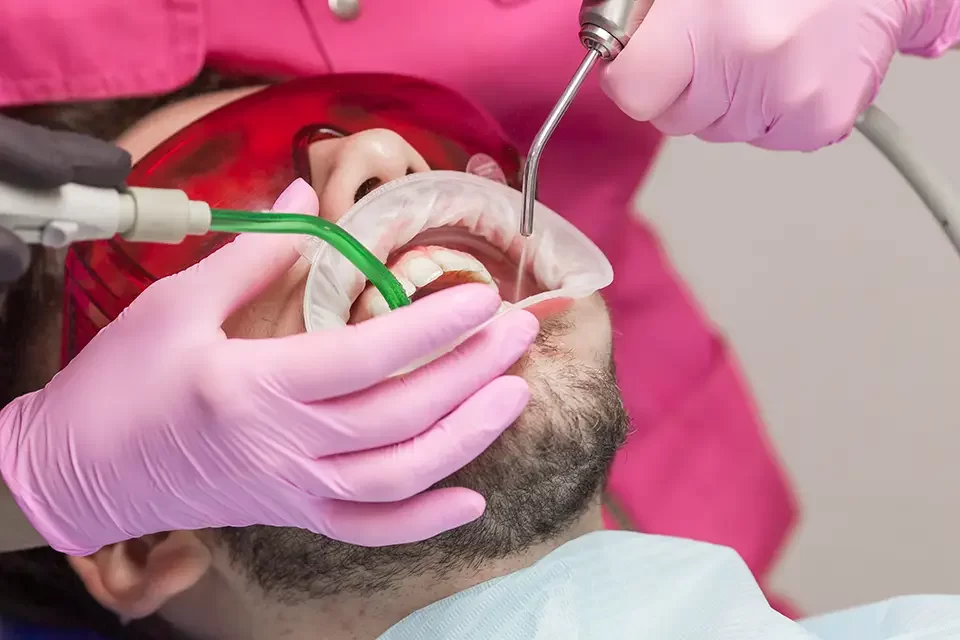
- Cleaning & Shaping: Infected tissue is removed; canals are shaped and disinfected.
- Sealing: Canals are filled to block reinfection.
- Temporary/Core: A temporary or core build-up is placed; the crown visit is planned as needed.
Most patients resume routine activities the same day. Mild tenderness is common for a day or two and typically settles on its own.

When "Cheaper" Becomes Expensive
Deferring care can let infection spread, turning a straightforward case into a retreatment, surgical endodontics, or extraction—each with higher time and financial costs. Likewise, cutting corners on isolation, imaging, or sealing risks reinfection. In endodontics, good technique is the real savings.
Bottom Line on Root Canal Treatment Cost
Your fee reflects tooth type, complexity, imaging, and the final restoration. Up front, it’s more than a filling; long-term, it’s often the most economical way to stop pain, keep your bite, and avoid the added cost and time of replacing a missing tooth.
Want numbers you can plan around? Book a consultation at ORIS Dental Clinics in Richmond Hill, Ontario. We’ll assess the tooth, explain options clearly, and provide a written, itemized estimate of your root canal treatment cost—no surprises, just a plan that makes sense.
FAQs About Root Canal Treatment Cost
Do I always need a crown—and how does it affect cost?
Not always. Front teeth with strong remaining structure may do well without a crown. Molars and heavily restored teeth usually benefit from one to prevent fractures. If advised, a crown adds to the root canal treatment cost but often saves you from larger problems later.
Why are molar root canals more expensive?
Molars have more canals, more curvature, and take more time and skill. That complexity increases the root canal treatment cost compared with front teeth.
Will insurance cover everything?
Policies vary. Many plans help with the endodontic portion, while crowns draw from major restorative benefits with annual caps. We can submit a predetermination so you know your exact share.
Can I spread payments out?
Often, yes. We can stage care—resolve pain and infection now, schedule the crown when it suits your budget—and discuss payment options tied to your root canal treatment cost.