
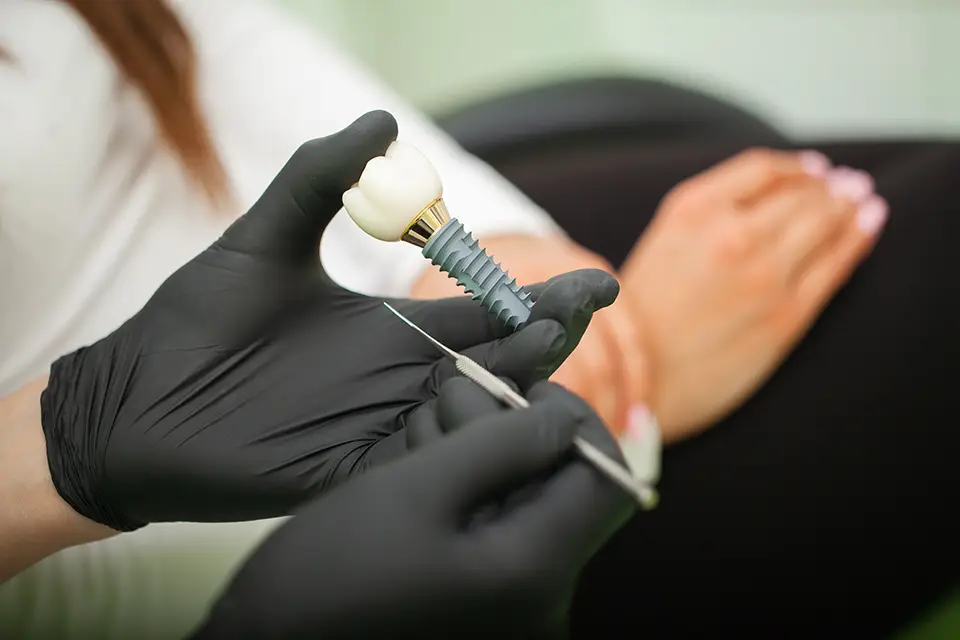
When a tooth is gone, most people want a result that feels ordinary again—chew without thinking, talk without adjusting, smile without checking a mirror. That’s the point of endosteal dental implants. They sit in the jaw like a new root, then carry a custom tooth on top. At ORIS Dental Clinics in Richmond Hill, we begin with the facts: what endosteal dental implants are, how they’re placed, and what the first week actually feels like. No slogans, no guesswork—just the steps, the timelines, and the choices that make a stable, long-term result.
What Endosteal Dental Implants Are—In Practice
Picture a small, biocompatible post—usually titanium—set gently into the jawbone. Over several weeks, bone cells anchor to its surface. That bond is what turns a thin metal post into a dependable foundation. A connector (the abutment) is added, and a crown or bridge is made to match nearby teeth in shape and shade. The engineering is precise, but the idea is simple: hidden strength below the gumline, natural form above it. No clasp arms, no daily removal—just a tooth that feels part of the bite instead of an appliance. That’s the everyday advantage people look for when they ask about endosteal dental implants.
Step-By-Step Placement (How We Make It Predictable)
A steady outcome comes from a steady sequence. We follow it the same way, every time:
- Planning & Imaging: 3D scans map bone height, width, and nerve positions. Photos record your smile line and the way your teeth meet. We decide the angulation and depth on screen before anything is placed.
- Aseptic, Local Anesthesia: The area is numbed and isolated. You should feel pressure and vibration, not sharp pain.
- Osteotomy & Placement: A narrow channel is prepared in the bone; the implant is seated to a planned torque so it’s stable from the start. If soft tissue needs shaping, we do it conservatively.
- Healing Phase: Bone integration takes weeks. You’ll follow a soft-food plan and simple hygiene steps. If a tooth shows when you smile, we discuss a provisional so you’re not “gap-toothed” during healing.
- Abutment & Records: Once integration is confirmed, the connector is fitted. We take a precise digital scan so the lab can match contour, contact points, and shade.
- Final Restoration: The crown or bridge is tried in, the bite is refined, and surfaces are polished. You leave with instructions that focus on what matters—cleaning around the collar, what to eat right away, and when to book maintenance.
More: What Is Restorative Dentistry? Everything You Need to Know
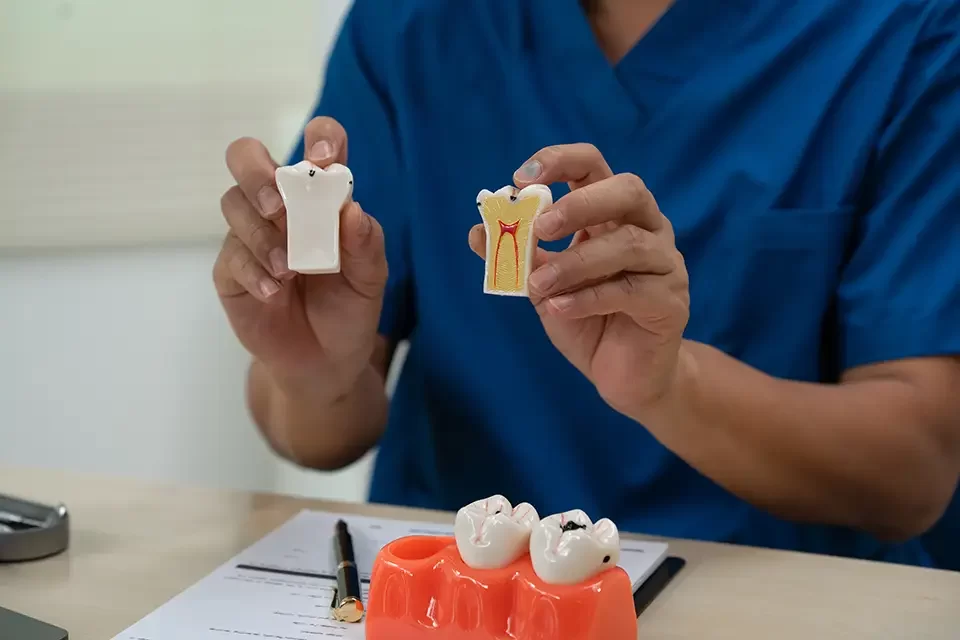
Comfort & Recovery (What the First Week Actually Feels Like)
Most patients describe the first 24–48 hours after endosteal dental implants as “pressure and fullness,” not sharp pain. Swelling is common, usually modest, and responds to cold compresses and standard analgesics. We provide a short checklist: keep the area clean, avoid hard chewing on that side, and choose soft foods that don’t require force. By day three or four, most people return to typical routines. If your work is physical, we’ll pace activities so healing stays on track. The guiding idea is simple: protect the site while bone does its job.
Endosteal Dental Implants: Who Is a Good Candidate (And What We Check First)
Most healthy adults qualify for endosteal dental implants, but screening is what turns a good plan into a predictable one:
- Medical Overview: Controlled diabetes and blood pressure are fine; uncontrolled conditions are not. We coordinate with your physician when needed.
- Gum & Bone Health: Enough bone volume improves initial stability. If the bone is thin, we talk about grafting or staged care.
- Bite & Habits: Clenching, grinding, or nail-biting increases load; we design contacts carefully and recommend a nightguard if needed.
- Hygiene Readiness: Implants don’t get cavities, but the surrounding gums can become inflamed if plaque accumulates. Daily care has to be realistic for your life.
If all boxes line up, endosteal dental implants become a straightforward choice; if something needs tuning first, we address it before placing anything.
Risks—And How We Keep Them Low
All surgery carries risk. With endosteal dental implants, the main concerns are early mobility, localized infection, or soft-tissue irritation. We reduce these by planning with 3D imaging, using sterile technique, placing with controlled torque, and sending you home with clear, simple instructions. Smokers and heavy grinders have a higher risk; we’re transparent about that and adapt the plan—extra hygiene support, protective appliances, or staged timelines—so the odds stay in your favor.
Care & Maintenance (Small Habits, Big Results)
Day to day, endosteal dental implants ask for the same habits that protect natural teeth:
- Brush Twice Daily: Angle bristles at the gumline around the implant collar.
- Clean Between: Floss, interdental brushes, or a water flosser—whichever you’ll use consistently.
- Protect the Bite: A nightguard limits overload if you clench.
- Keep Appointments: Professional cleanings and quick tissue checks catch issues early.
These are small, doable steps. Done consistently, they’re the difference between a good first year and a great decade with endosteal dental implants.
Endosteal Dental Implants: Cost & Planning (Why Prices Vary)
Fees reflect anatomy and goals. A single implant with a crown sits at one end of the range; multiple endosteal dental implants to support a bridge or full arch sit at the other. Grafting, custom tissue work, bite complexity, and material choices also matter. We itemize everything in a written plan—stages, timelines, and fees—so the decision is based on facts, not estimates. Upfront cost is higher than removable options, but patients often choose implants for the daily stability, bone preservation, and long-term value they deliver.
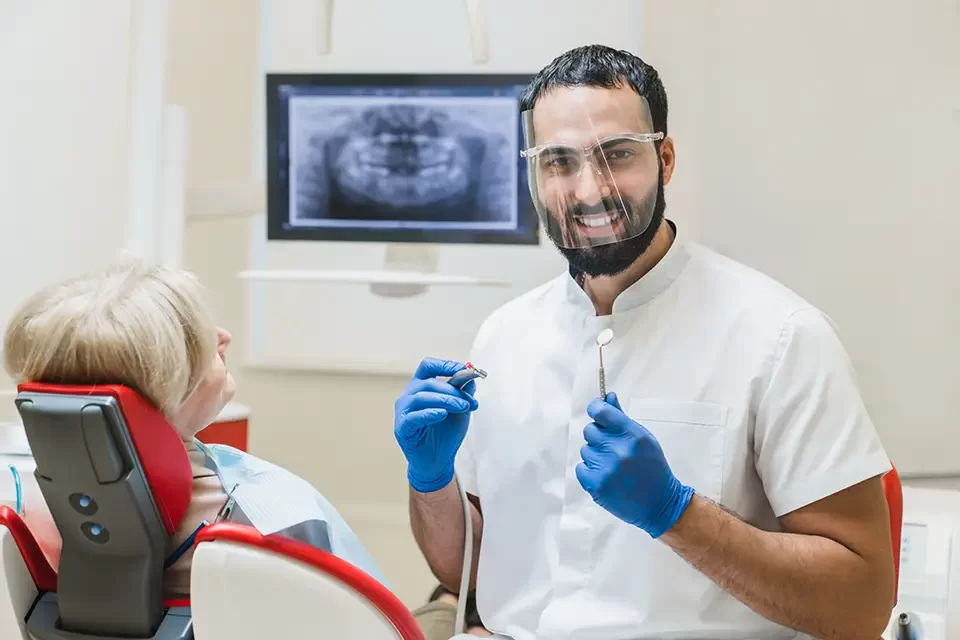
Everyday Outcomes (What You Notice Six Months Later)
The real test is routine life: eating an apple without thinking, speaking on a call without repositioning anything, and smiling in photos without checking angles. Done well, endosteal dental implants disappear into your day. That’s the point—replacing effort with ease.
A Straightforward Next Step
If you want a clear, practical plan—what to do first, how long each stage takes, and what daily life looks like in between—book a consultation at ORIS Dental Clinics in Richmond Hill. We’ll map your case for endosteal dental implants, walk you through costs and timelines, and design a result that feels like part of your bite—not an appliance.
FAQs—Endosteal Dental Implants
How long do endosteal dental implants last?
With healthy gums, consistent home care, and regular maintenance, many last for decades. The crown on top may eventually need replacement due to normal wear.
Will I be without a tooth while healing?
Usually no. We plan a temporary—removable or provisional—so appearance stays normal during integration.
Is placement painful?
Local anesthesia makes the procedure comfortable. Expect mild soreness for a couple of days, managed with simple pain relief and a soft-food plan.
What if I don't have enough bone?
We consider grafting, different implant dimensions, or staged treatment. Your 3D scan guides that choice so endosteal dental implants remain predictable.
Do implants get cavities?
The implant itself doesn’t, but gums can become inflamed if plaque builds up. Daily cleaning and scheduled hygiene visits keep tissues healthy.