
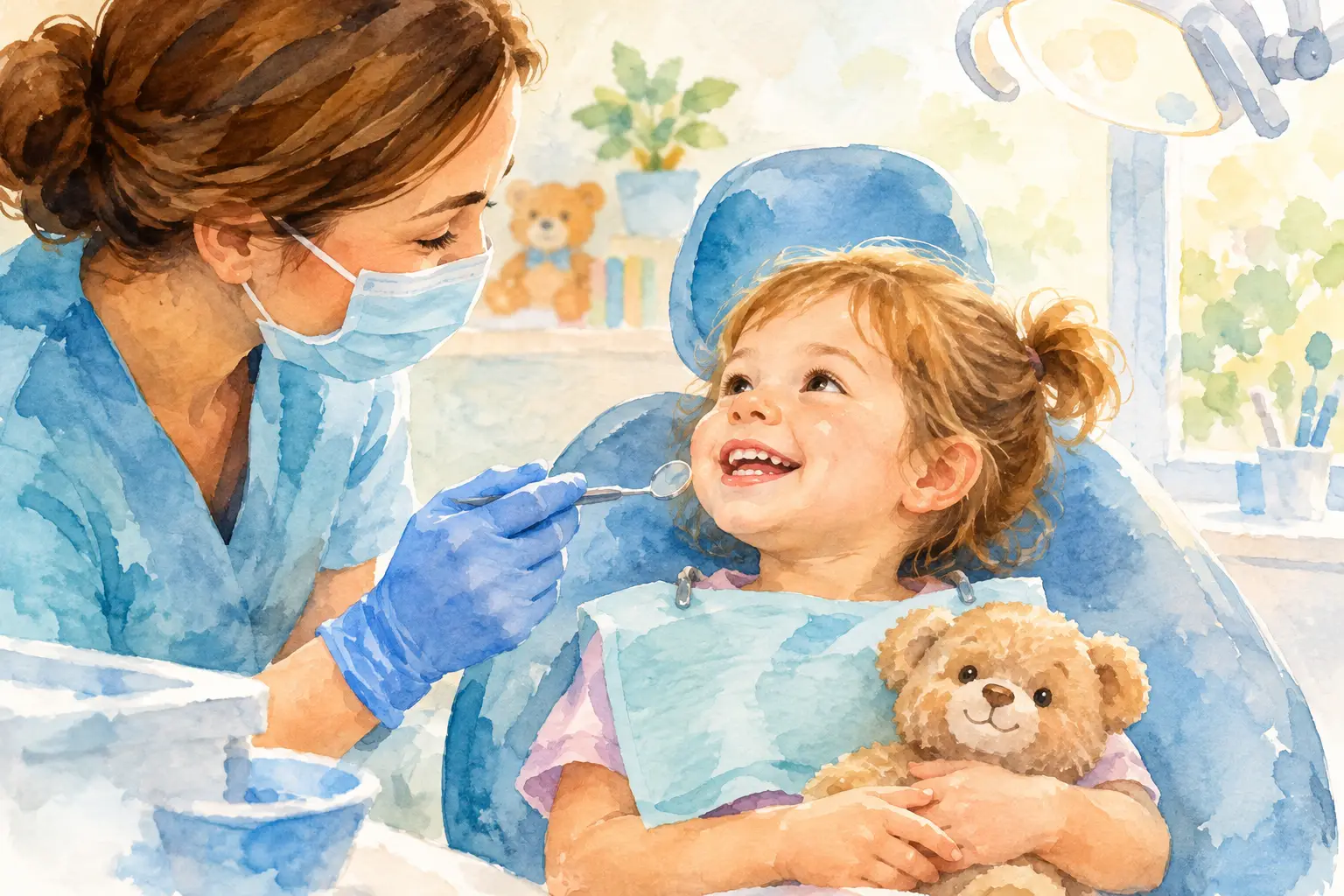
A toddler’s first tooth can arrive with plenty of fanfare – photos, teething toys, and a few sleepless nights. It should also prompt one practical question: when should toddlers see dentists? The answer is earlier than many parents expect. A first dental visit is recommended by a child’s first birthday or within six months of the first tooth appearing.
That timing is not about looking for a long list of problems. It is about helping your child begin with healthy habits, giving parents clear guidance, and making the dental office feel familiar before treatment is ever needed.
When Should Toddlers See Dentists for the First Time?
Most children should see a dentist when their first tooth erupts, or no later than age one. Some toddlers will have several teeth before their first appointment, especially if a family has recently moved, a child is anxious in new settings, or parents have assumed dental visits can wait until preschool. If that is your family’s situation, there is no need for guilt. Booking a visit now is the right next step.
Baby teeth may be temporary, but they have significant work to do. They help children chew comfortably, form words, hold space for adult teeth, and develop confidence with smiling. Tooth decay in baby teeth can cause pain, infection, trouble eating, and missed sleep. In more serious cases, it can affect a child’s overall well-being and the development of permanent teeth.
Early appointments also allow the dental team to identify concerns that may not be obvious at home. These can include early decay, enamel weaknesses, a tongue or lip tie affecting feeding or speech, bite development concerns, or habits such as prolonged bottle use and thumb sucking.
Why an Early Visit Makes a Difference
A first visit is often as much for parents as it is for the child. You can ask questions about brushing, fluoride, snacks, pacifiers, teething, and what to do after a fall. Advice can be tailored to your child’s teeth, health history, diet, and daily routine rather than relying on general tips that may not fit your situation.
Just as valuable, regular early visits can create a positive association with dental care. A toddler who has had a few short, calm checkups is usually more comfortable returning if they eventually need a filling, an X-ray, or another procedure. This does not guarantee every child will love an appointment – toddlers are toddlers – but familiarity removes much of the uncertainty.
There is a practical balance to consider. Very young children may not cooperate with every part of an examination, and a first appointment may be brief. That is completely normal. The goal is a safe assessment, age-appropriate prevention, and a comfortable introduction, not forcing a child through more than they can manage.
What Happens at a Toddler’s Dental Appointment?
A toddler dental visit is designed around short attention spans and a child’s comfort. Parents are often invited to stay close, and some children feel most settled sitting on a parent’s lap. The dentist and dental team will use simple, friendly language while examining the teeth, gums, bite, and soft tissues of the mouth.
Depending on your child’s age and cooperation, the appointment may include a gentle cleaning, polishing, or fluoride treatment. The dentist will assess whether X-rays are appropriate. X-rays are not automatically needed at every toddler visit, but they can be helpful when there is suspected decay between teeth, a concern about an injury, or a need to check development that cannot be seen during an exam.
The team will also discuss home care. This conversation often covers the amount of toothpaste to use, brushing technique, food and drink choices, and how often your child should return. Most children benefit from a checkup every six months, though the recommended schedule can change if a child has a higher risk of cavities or an active dental concern.
Signs Your Toddler Should See a Dentist Sooner
Do not wait for a routine appointment if your child has tooth pain, swelling of the gums or face, a broken or knocked-out tooth, bleeding that does not stop, or a bump or cut inside the mouth after an injury. Dental infections can worsen quickly in young children, so facial swelling, fever alongside dental pain, or difficulty swallowing requires prompt professional assessment.
Less urgent signs still deserve an appointment soon. Watch for white, brown, or black spots on teeth; complaints when chewing; persistent bad breath; sensitivity to cold foods; or a child avoiding one side of the mouth. White chalky patches near the gumline can be an early sign of enamel breakdown and may be reversible or manageable before a cavity becomes more extensive.
Parents should also mention frequent mouth breathing, loud snoring, grinding, delayed tooth eruption, or concerns about the way teeth meet. These do not always signal a serious problem, but they are worth discussing during a dental visit. A comprehensive clinic can help coordinate next steps when a child needs more focused pediatric, orthodontic, or oral health assessment.
Building a Healthy Routine at Home
Good dental care starts before children can brush independently. Brush your toddler’s teeth twice daily with a soft, age-appropriate toothbrush. For children under three, use a smear of fluoridated toothpaste about the size of a grain of rice. From age three to six, use a pea-sized amount and help them spit out excess toothpaste rather than rinsing repeatedly.
Toddlers need hands-on help with brushing. They may want to hold the toothbrush, and that is useful for building independence, but an adult should do the thorough brushing afterward. Aim for the gumline, the chewing surfaces, and the backs of the teeth. Once teeth touch side by side, clean between them with floss or an age-appropriate flossing tool.
Drinks deserve attention too. Water is the best everyday choice between meals and before bed. Frequent sipping on milk, juice, sweetened drinks, or even diluted juice exposes teeth to sugars over and over again. A bottle or sippy cup used as a comfort item at bedtime can be particularly risky when it contains anything other than water.
Treats do not need to be forbidden. Frequency matters more than a single occasion. Offering sweet foods with a meal, rather than allowing all-day grazing, gives saliva time to protect the teeth between exposures. Sticky snacks and dried fruit can cling to tooth surfaces, so brushing and regular checkups remain especially useful.
Preparing Your Child Without Creating Pressure
Keep the message simple before the appointment. You might tell your child that the dentist will count their teeth and help keep their smile strong. Avoid promising that nothing unusual will happen, since an honest but calm approach builds more trust than reassurance that may not match the experience.
Try to choose an appointment time when your toddler is usually rested and fed. Bringing a favourite small comfort item can help. If your child is upset or unwilling to cooperate, the dental team can adjust the pace. A successful first visit may simply mean entering the room, meeting the team, and allowing a brief look at a few teeth.
For children with strong anxiety, sensory sensitivities, a previous difficult medical experience, or extensive treatment needs, tell the clinic before the appointment. Comfort-focused approaches and a coordinated plan can make care more manageable for both child and parent.
A Confident Start for Your Child’s Smile
The first dental appointment is a small step that can prevent larger problems later. It gives you reliable advice during a fast-changing stage of childhood and gives your toddler time to learn that dental care is routine, supportive, and safe. If your child has a first tooth – or has simply not had a checkup yet – arranging a family-friendly visit at ORIS Dental Clinics is a practical way to start caring for their smile with confidence.