
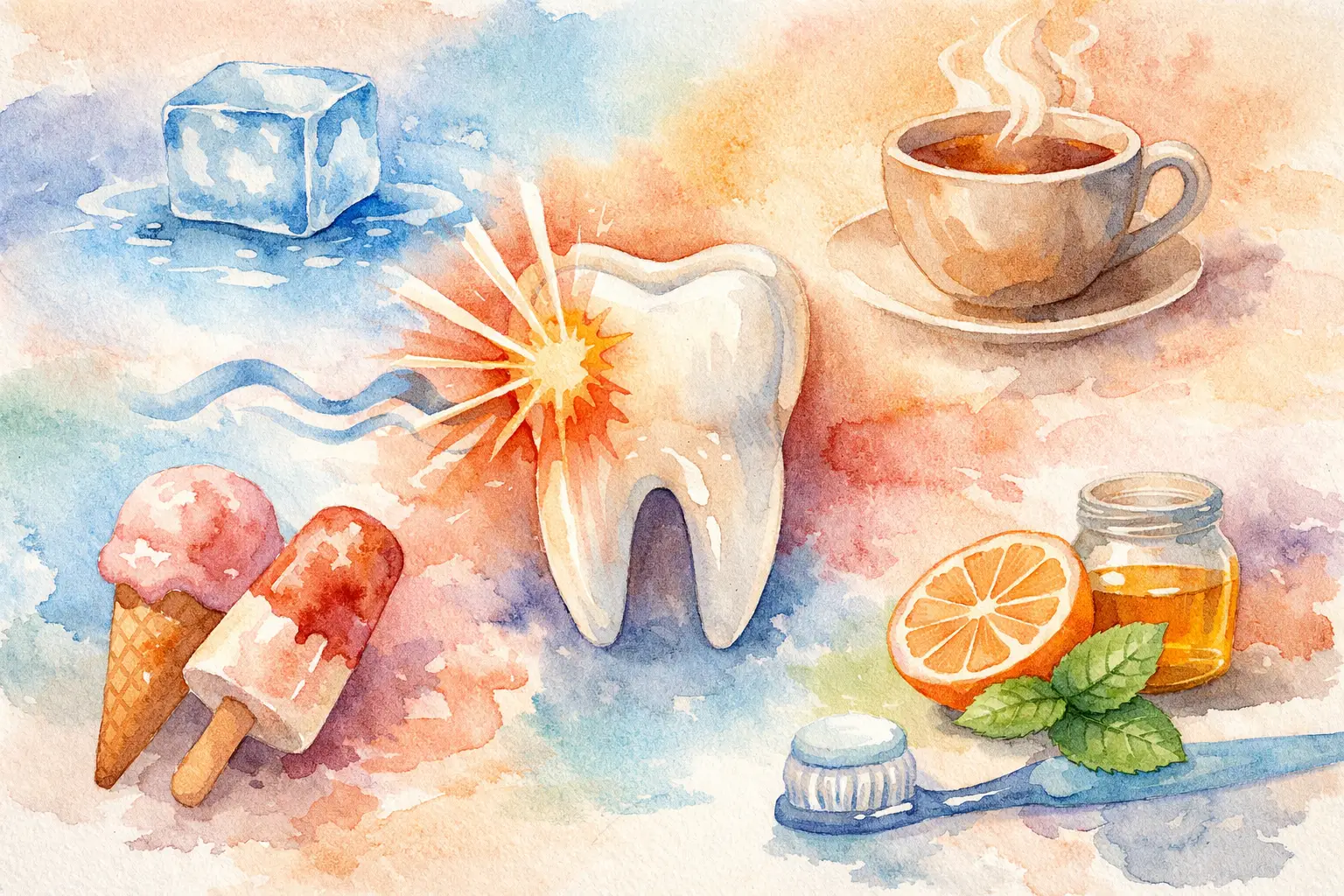
A sharp jolt when you sip cold water, breathe in on a winter walk, or bite into something sweet can make ordinary moments feel surprisingly stressful. Tooth sensitivity is common, but it is not something you simply have to put up with. It can be related to everyday wear, a change in your gums, a damaged tooth, or an issue that needs timely treatment.
The pattern matters. Sensitivity that is mild and brief may improve with a few home-care changes. Pain that lingers, starts suddenly, or affects one specific tooth deserves a dental assessment. Finding the cause is the best way to protect your comfort and avoid allowing a small concern to become a larger one.
What causes tooth sensitivity?
Healthy teeth are protected by enamel above the gumline and by gum tissue around the roots. Beneath those protective layers is dentin, a naturally porous material connected to the tooth’s nerve. When dentin becomes exposed, temperature changes, sweetness, acidity, touch, or even cold air can trigger a quick pain response.
Enamel wear and acid exposure
Enamel is very strong, but it can gradually wear down. Frequent acidic drinks and foods, such as soft drinks, sports drinks, citrus, wine, and vinegar-based foods, can soften the enamel surface. Brushing immediately after consuming acidic items may add abrasion while the enamel is temporarily softened.
Teeth grinding and clenching can also contribute. Some people notice morning jaw tension, headaches, or worn biting edges without realizing they grind their teeth during sleep. Over time, the forces placed on teeth can wear enamel, create small cracks, or strain existing fillings.
Gum recession and periodontal concerns
When gums recede, the root surface becomes exposed. Roots do not have the same enamel covering as the visible part of the tooth, so they can be more reactive to cold, brushing, and touch.
Gum recession can occur from periodontal disease, aggressive brushing, natural changes over time, tooth position, or clenching. Bleeding gums, persistent bad breath, gum tenderness, and teeth that appear longer are all reasons to arrange a dental visit. Gum disease can often progress quietly, which is why routine examinations are valuable even when discomfort is limited.
Cavities, cracks, and failing restorations
Sensitivity is sometimes the first sign of a cavity. As decay gets closer to the inner portion of a tooth, cold and sweet foods may cause discomfort. A cracked tooth, worn filling, loose crown, or exposed edge around a restoration can produce similar symptoms.
This is one reason it is unwise to assume all sensitivity is just enamel wear. Desensitizing toothpaste may reduce symptoms temporarily, but it cannot repair decay, seal a crack, or treat an infection.
Recent dental treatment or whitening
It is common to experience short-term sensitivity after a filling, professional cleaning, crown preparation, or tooth whitening. Whitening products can temporarily irritate the nerve inside a tooth, particularly when they are used too often or with a higher-strength formula.
Mild sensitivity after treatment often settles as the tooth adjusts. If it worsens, lasts longer than expected, or makes biting painful, contact your dental team. An adjustment or a closer examination may be needed.
When tooth sensitivity needs prompt attention
A brief cold sensation that stops as soon as the cold is gone is different from pain that lingers for 30 seconds or more. Lingering pain can suggest that the tooth’s nerve is inflamed. Spontaneous throbbing, pain that wakes you at night, swelling, fever, a bad taste, or facial swelling should be assessed promptly.
Pain when biting is another important clue. It may be caused by a crack, a high filling, inflammation around the root, or another issue that needs diagnosis. Avoid chewing on that side until you can be seen, especially if the tooth feels loose or has a visible fracture.
For children, watch for avoidance of cold foods, chewing on one side, changes in sleep, or reluctance to brush a particular area. Young children may not describe dental pain clearly, so a change in behaviour can be meaningful.
What you can do at home for sensitive teeth
Home care can make a real difference when sensitivity is related to exposed dentin or mild enamel wear. The goal is to reduce irritation while giving protective products time to work.
Use a soft-bristled toothbrush and gentle, small circular motions at the gumline. Scrubbing hard does not clean teeth better, and it can wear exposed root surfaces or irritate the gums. A fluoride toothpaste formulated for sensitive teeth may help block the pathways in exposed dentin that transmit sensation. Brush twice daily and spit out excess toothpaste rather than rinsing thoroughly right away, unless your dentist has advised otherwise.
Consider your timing around acidic foods and drinks. Rinse with water after consuming them, then wait about 30 minutes before brushing. Choosing water more often, limiting frequent sipping of acidic beverages, and having acidic foods with meals rather than throughout the day can reduce repeated acid exposure.
If you clench or grind, a custom night guard may be appropriate. Store-bought guards can suit some people temporarily, but they do not fit everyone well and may not address the way your teeth meet. A dentist can assess wear patterns and recommend the right approach.
Avoid using whitening products while sensitivity is active unless your dental professional recommends a modified plan. There are often ways to make whitening more comfortable, including lower-strength options, shorter applications, or treatment intervals.
How a dentist identifies the cause
A dental examination for tooth sensitivity is more than a quick look at the painful area. Your dentist will ask what triggers the pain, how long it lasts, whether it is localized, and whether biting changes the feeling. They may examine your gums, evaluate existing fillings and crowns, check for cracks or bite pressure, and take digital X-rays when needed.
The findings guide treatment. Fluoride varnish or a desensitizing treatment may be enough for exposed root surfaces. A small cavity may need a filling, while a damaged restoration may need repair or replacement. Gum-focused care can help stabilize periodontal disease and address recession. If the nerve inside a tooth is significantly inflamed or infected, root canal treatment may be the best way to relieve pain while preserving the natural tooth.
For patients with several contributing issues, coordinated care matters. At ORIS Dental Clinics, preventive, restorative, periodontal, endodontic, and surgical care can be planned together, so the focus remains on the health of the whole mouth rather than only the most noticeable symptom.
Prevention is usually more practical than perfection
You do not need a flawless diet or a complicated oral-care routine to reduce future sensitivity. Consistent basics tend to matter most: brushing gently with fluoride toothpaste, cleaning between teeth daily, attending regular checkups, and addressing grinding, gum bleeding, or damaged restorations early.
If reflux or frequent vomiting is affecting your teeth, speak with your physician as well as your dentist. Stomach acid can cause significant enamel erosion, and protecting your dental health may require support for the underlying medical concern.
Sensitivity can also fluctuate. A tooth may feel fine for weeks and then react after a cold drink, a period of stress-related clenching, or a change in gum health. That does not mean the symptom should be ignored. Keeping track of triggers and duration gives your dental team useful information.
A comfortable smile should not require avoiding your favourite foods or bracing for pain every time you drink something cold. If sensitivity is changing your routine, a focused dental visit can provide clarity and a treatment plan that feels manageable.