
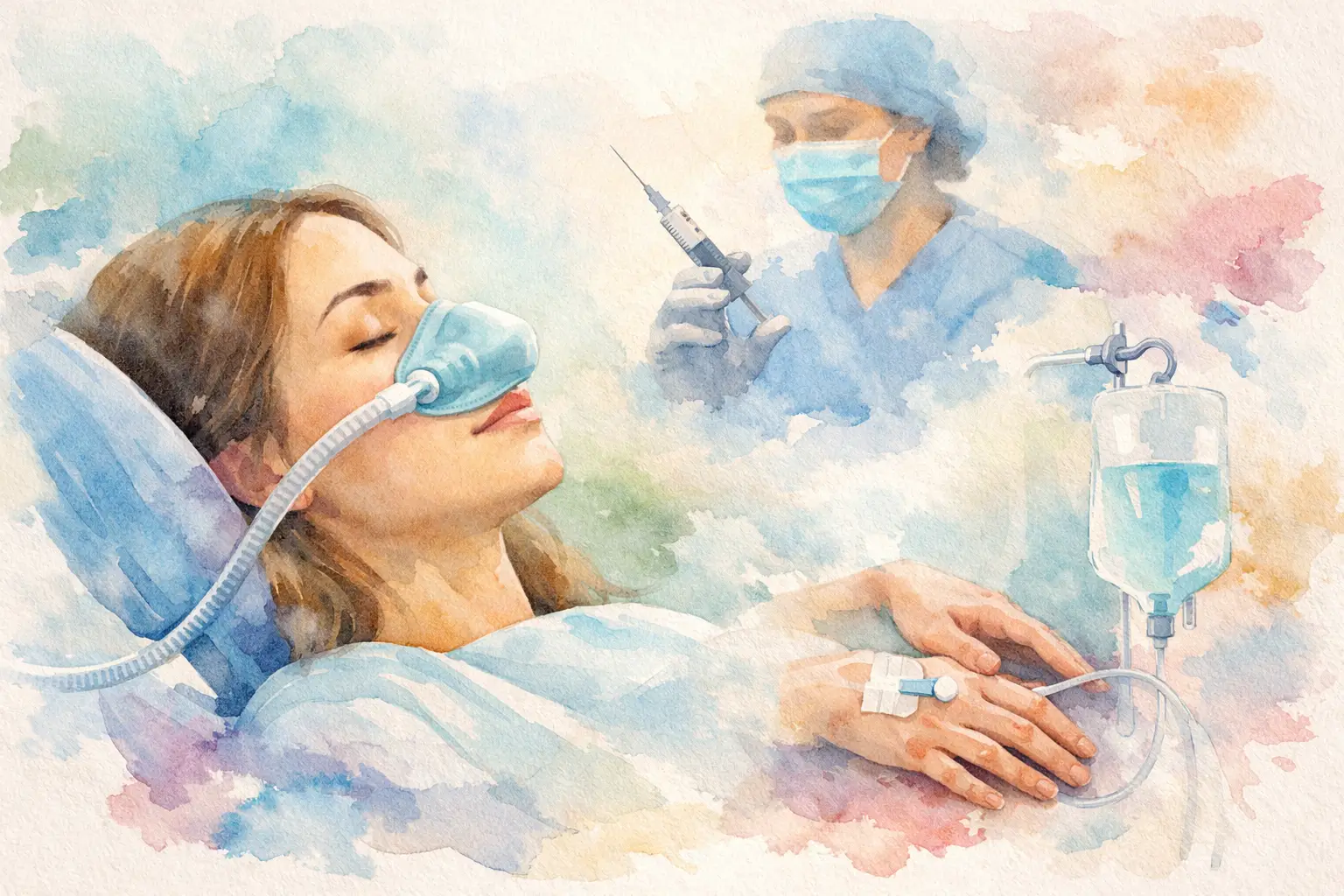
For someone who has postponed care because the thought of the dental chair feels overwhelming, understanding how dental sedation works safely can make treatment feel far more manageable. Sedation is not simply about helping a patient feel sleepy. It is a carefully planned clinical approach that combines the right level of relaxation, thorough screening, trained supervision, and clear recovery instructions.
At ORIS Dental Clinics, sedation may be considered for patients with significant dental anxiety, a strong gag reflex, difficulty sitting comfortably, complex treatment needs, or a previous traumatic dental experience. The appropriate option depends on the individual, the procedure, and their health history.
How dental sedation works safely from consultation to recovery
Safe sedation starts well before the appointment. Your dental team reviews your medical history, current medications, allergies, previous experiences with anaesthesia or sedation, and any conditions that could affect breathing, circulation, or recovery. This conversation is essential because a medication that is suitable for one person may not be appropriate for another.
You may also be asked about sleep apnea, asthma, heart concerns, liver or kidney disease, pregnancy, alcohol or recreational drug use, and whether you take medications for anxiety, pain, diabetes, or blood thinning. Patients should answer openly and bring an up-to-date list of prescriptions, over-the-counter medicines, vitamins, and supplements. This is how the team identifies potential interactions and plans care around your needs.
Your dentist will then explain the recommended sedation method, what you are likely to feel, the expected recovery period, and the instructions you need to follow before and after treatment. You will have an opportunity to ask questions and provide informed consent before sedation is administered.
The level of sedation is matched to the procedure
Dental sedation exists on a spectrum. The goal is usually relaxation and comfort, not necessarily unconsciousness. Local anaesthetic is still used to numb the treatment area, because sedation reduces anxiety but does not replace freezing.
Nitrous oxide, often called laughing gas, is inhaled through a small nose mask. It can create a calm, light, floating sensation and takes effect quickly. Because its effects generally wear off soon after the gas is stopped and oxygen is provided, many patients can return to normal activities relatively quickly, subject to their dentist’s advice.
Oral sedation involves a prescribed medication taken before the appointment. It can provide a deeper sense of calm and may leave patients feeling drowsy or with limited memory of the procedure. Its effects last longer than nitrous oxide, so a responsible adult must usually accompany the patient home and remain available afterward.
For more involved procedures or patients with more substantial anxiety or medical needs, deeper forms of sedation may be appropriate. These require additional planning, qualified providers, and a level of monitoring suited to the type of sedation being used. Not every patient or procedure requires this approach. The safest option is the least intensive level that can reasonably provide comfort and allow treatment to proceed well.
Screening helps prevent avoidable risks
Sedation is generally very safe when it is properly selected and administered, but it is not risk-free. Drowsiness, dizziness, nausea, temporary memory changes, and slower reaction times can occur. More serious breathing or cardiovascular complications are uncommon, but this is precisely why clinical screening and monitoring matter.
Your dental provider may postpone, modify, or refer treatment if your health status calls for a different setting or approach. For example, untreated sleep apnea, certain respiratory conditions, recent illness, or interactions with sedating medications may change the recommendation. This is not a setback. It is a safety decision made in your best interest.
Preparation instructions are equally important. Depending on the sedation type, you may need to avoid eating or drinking for a specified period, adjust the timing of particular medications, wear comfortable clothing, and arrange transportation. Follow the instructions given to you rather than relying on general advice from friends or online sources. Requirements can vary based on the medication, procedure, and your medical history.
What happens during a sedated dental appointment
Before treatment begins, the team confirms key details again: your health information, consent, escort arrangements where required, and adherence to pre-appointment instructions. Baseline measurements may be taken so the provider has a clear picture of your condition before sedation starts.
During sedation, trained clinicians observe how you are responding. Depending on the type and depth of sedation, this may include monitoring your breathing, oxygen level, pulse, blood pressure, and level of responsiveness. The team also maintains appropriate equipment, medications, and emergency protocols for the level of care being provided.
Monitoring is not passive. It allows the provider to adjust treatment promptly if needed, whether that means changing positioning, pausing treatment, providing oxygen, or responding to any unexpected change. Sedation is therefore not a single medication event. It is an actively managed process from the first dose through discharge.
Patients often worry that they will lose all control. With lighter sedation, many remain awake and able to respond to simple questions while feeling significantly calmer. With deeper sedation, awareness may be reduced, but clinical supervision remains focused on maintaining comfort and safety throughout the procedure.
Recovery is part of the safety plan
The procedure may be complete, but safe care continues while the sedation wears off. Before you leave, the team checks that you are recovering appropriately and reviews aftercare with you and, when needed, your escort. You may receive written instructions because it can be difficult to remember details when you are tired.
After oral or deeper sedation, do not drive, operate machinery, make major decisions, drink alcohol, or take medications not approved by your provider for the remainder of the day. Plan for a quiet schedule, simple food if permitted, and help at home if you are caring for children or have other responsibilities. Even if you feel alert, reaction time and judgement can remain affected.
Call the dental office if you experience symptoms that do not match the recovery instructions, such as persistent vomiting, worsening breathing difficulty, unusual confusion, or concerns about the treatment area. If there is a medical emergency, seek urgent medical assistance immediately.
Questions to ask before choosing sedation dentistry
A reassuring conversation should be specific to you. Ask which sedation option is being recommended and why, how it will affect you during treatment, what monitoring will be used, and what recovery support you will need. If you have had a difficult reaction to medication or anaesthesia in the past, raise it early.
It is also reasonable to discuss alternatives. For some people, extra time, breaks, a comfort-focused appointment, topical numbing, or nitrous oxide may be enough. For others, completing extensive care over fewer visits with a stronger form of sedation may be the more practical choice. The right plan balances your anxiety level, health history, treatment complexity, and personal preferences.
Dental anxiety should never be a reason to live with pain, avoid preventive care, or delay treatment until it becomes more complicated. A thoughtful consultation can turn a feared appointment into a clear, supported plan, with your comfort and safety guiding every step.