
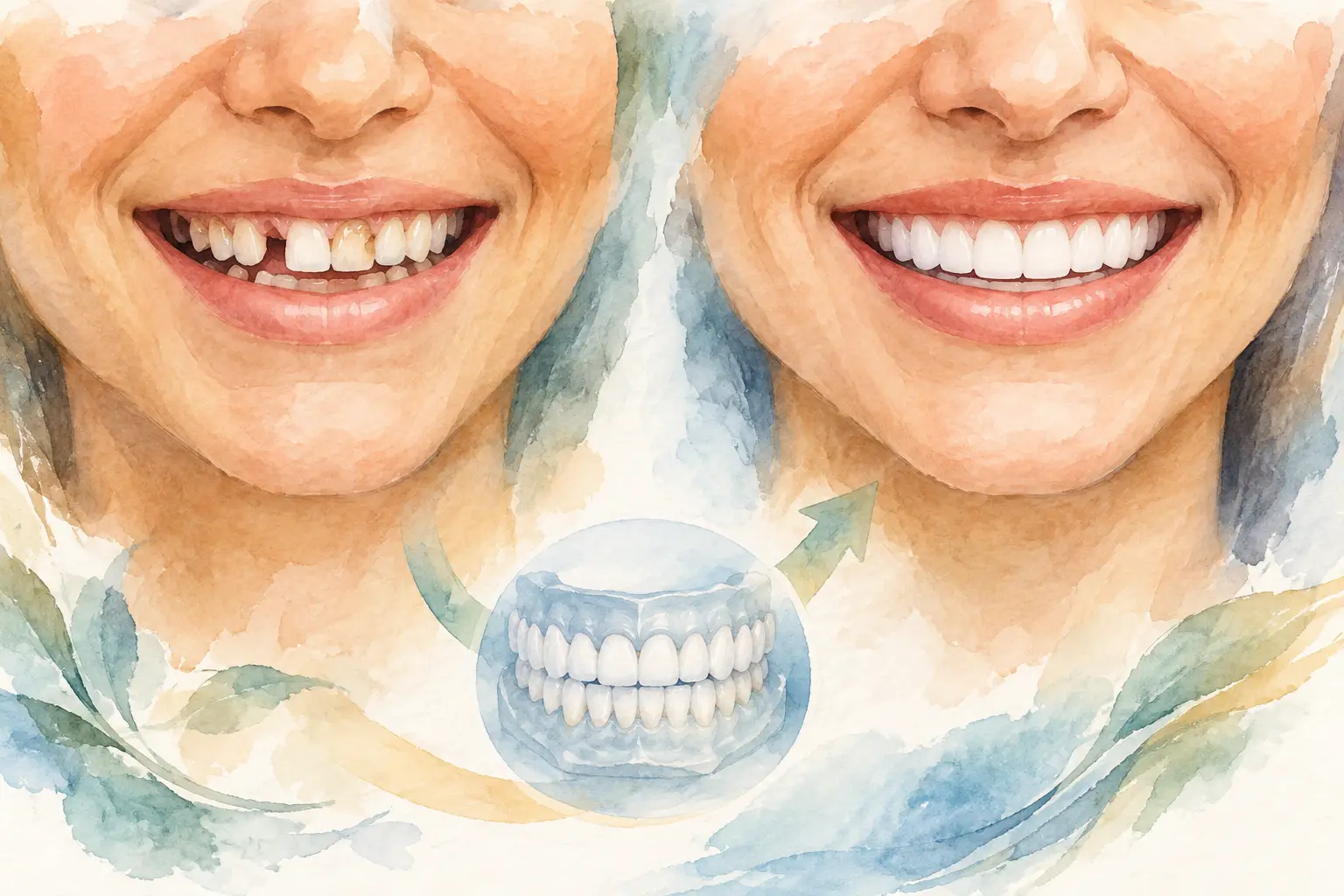
A full mouth rehabilitation before after comparison can be striking, but the most meaningful change is often not what appears in a photo. It is being able to chew without planning around painful teeth, speak comfortably, smile without hiding, and feel confident that your oral health is moving in the right direction.
Full mouth rehabilitation is a personalized treatment plan that rebuilds the function, health, and appearance of multiple teeth. It may be recommended when teeth are severely worn, broken, missing, decayed, misaligned, or affected by gum disease. Because every mouth has a different history, the process is never one-size-fits-all.
What Full Mouth Rehabilitation Treats
A rehabilitation looks at the entire chewing system, not simply individual teeth. Some patients have spent years managing one dental concern at a time: a filling here, an extraction there, a crown placed after a tooth breaks. Eventually, those isolated solutions may no longer provide a stable bite or dependable function.
Common reasons to consider comprehensive treatment include extensive tooth wear from grinding or acid erosion, several missing teeth, repeated fractures, widespread decay, older dental work that is failing, or changes in bite caused by shifting teeth. Gum disease and bone loss may also need to be addressed before final restorations can be placed.
The goal is not to create an identical smile for every patient. It is to create a healthy, functional result that suits your facial features, bite, lifestyle, and priorities. For one person, that may mean restoring damaged natural teeth with crowns. For another, it may involve implants to replace missing teeth and stabilize a removable denture.
Full Mouth Rehabilitation Before After: What Changes?
Before treatment, patients may have uneven tooth lengths, visible gaps, dark or broken teeth, worn biting surfaces, loose dentures, or a bite that feels unstable. They may avoid certain foods, wake with jaw fatigue, or feel self-conscious in photographs. Some concerns are obvious, while others are found during a detailed examination.
After treatment, the intended result is a bite that functions more comfortably, teeth that look proportionate and natural, and restorations that are designed to work together. Depending on the starting point, the visible improvements can include a fuller smile, more even tooth shape, replacement of missing teeth, healthier-looking gums, and improved facial support.
A responsible before-and-after discussion also includes limits. Treatment cannot promise that natural teeth and gums will never need future care. Implants, crowns, bridges, and veneers require daily cleaning and regular professional maintenance. If clenching or grinding contributed to the original damage, a night guard may be recommended to protect the new work.
Your Assessment Comes Before the Treatment Plan
The first appointment is about understanding why the teeth reached their current condition. A dentist will review your health history, symptoms, previous dental treatment, goals, and concerns about comfort or cost. Digital imaging, photographs, scans, and bite analysis can help identify decay, infection, bone levels, gum health, jaw relationships, and areas of excessive pressure.
This diagnostic stage matters because treating appearance alone can lead to disappointing outcomes. For example, placing restorations over active gum disease can compromise their long-term support. Replacing a broken tooth without addressing severe grinding can put the new restoration at risk. When the source of the problem is identified early, each phase of care can be planned more predictably.
At ORIS Dental Clinics, multidisciplinary care can be coordinated in one setting when a plan requires restorative dentistry, periodontal treatment, root canal therapy, oral surgery, orthodontics, or implant-supported replacement. That coordination helps ensure each provider is working toward the same functional and aesthetic destination.
Treatments That May Be Part of Rehabilitation
A full mouth plan may be completed with a combination of treatments rather than one procedure. The sequence depends on your oral health, the number of teeth involved, healing needs, and desired outcome.
If gums are inflamed or bone support is reduced, periodontal treatment may come first. Teeth with deep decay or infection may need root canal treatment and a crown, while teeth that cannot be saved may need extraction. In some cases, bone grafting is recommended to prepare an area for a dental implant.
Restorative treatment can include fillings, crowns, bridges, veneers, implant crowns, or implant-supported dentures. Orthodontic treatment may be useful when teeth need to be moved into a healthier or more stable position before they are restored. Patients with significant wear may also need their bite rebuilt gradually so that the jaw and muscles can adapt comfortably.
Digital Smile Design and temporary restorations can be helpful during planning. They allow patients and the dental team to evaluate tooth shape, smile proportions, speech, bite, and comfort before final restorations are made. A temporary stage is not just cosmetic rehearsal. It can provide important information about how a proposed bite works in everyday life.
How Long Does Full Mouth Rehabilitation Take?
Timelines vary widely. A relatively straightforward case involving several crowns and restorative improvements may be completed over a few months. A plan involving gum therapy, extractions, bone grafting, implants, orthodontics, and healing periods can take a year or longer.
That can sound daunting, but phased treatment often makes care more manageable. Urgent concerns such as pain, infection, or unstable teeth are typically addressed first. The next phase may focus on gum health and foundational work, followed by final tooth replacement and cosmetic refinements.
There are trade-offs. Moving faster may be possible in selected cases, but it is not always the best choice when tissues need time to heal or when bite changes need to be tested. A clear treatment sequence should explain what happens first, what can wait, and why each step protects the next.
Comfort, Sedation, and Everyday Practicalities
Patients who have avoided dentistry because of fear are not alone, especially when several appointments are needed. Comfort options, including sedation where appropriate, can make longer procedures more manageable. Let the dental team know if you have had difficult experiences, a strong gag reflex, trouble getting numb, or anxiety about specific parts of treatment. These details help shape a more supportive experience.
Practical planning also matters. Ask about appointment length, recovery after surgery, temporary teeth, eating restrictions, and time away from work. If you have dental insurance or are eligible for the Canadian Dental Care Plan, the team can discuss direct billing and help clarify available coverage. Coverage varies by plan, and comprehensive rehabilitation commonly includes treatment portions that may not be fully covered, so a written estimate and phased options are useful.
Protecting Your Result After Treatment
The aftercare phase begins as soon as rehabilitation is complete. Brushing twice daily with fluoride toothpaste, cleaning between teeth, and attending hygiene visits help protect both natural teeth and restorations. Implant-supported teeth need careful home care too, even though implants cannot develop cavities. The gums and bone around them can still become inflamed without consistent cleaning.
Regular checkups allow the dental team to monitor the bite, restorations, gums, and any signs of clenching or wear. Small adjustments or repairs are usually easier to manage when found early. Think of rehabilitation as a long-term investment in daily comfort, not a finish line that eliminates the need for care.
If broken, missing, worn, or painful teeth are affecting how you eat, speak, or smile, a comprehensive consultation can turn a confusing set of problems into a clear, paced plan. The best after result is one that looks like you, feels comfortable, and gives you a healthier foundation for the years ahead.