
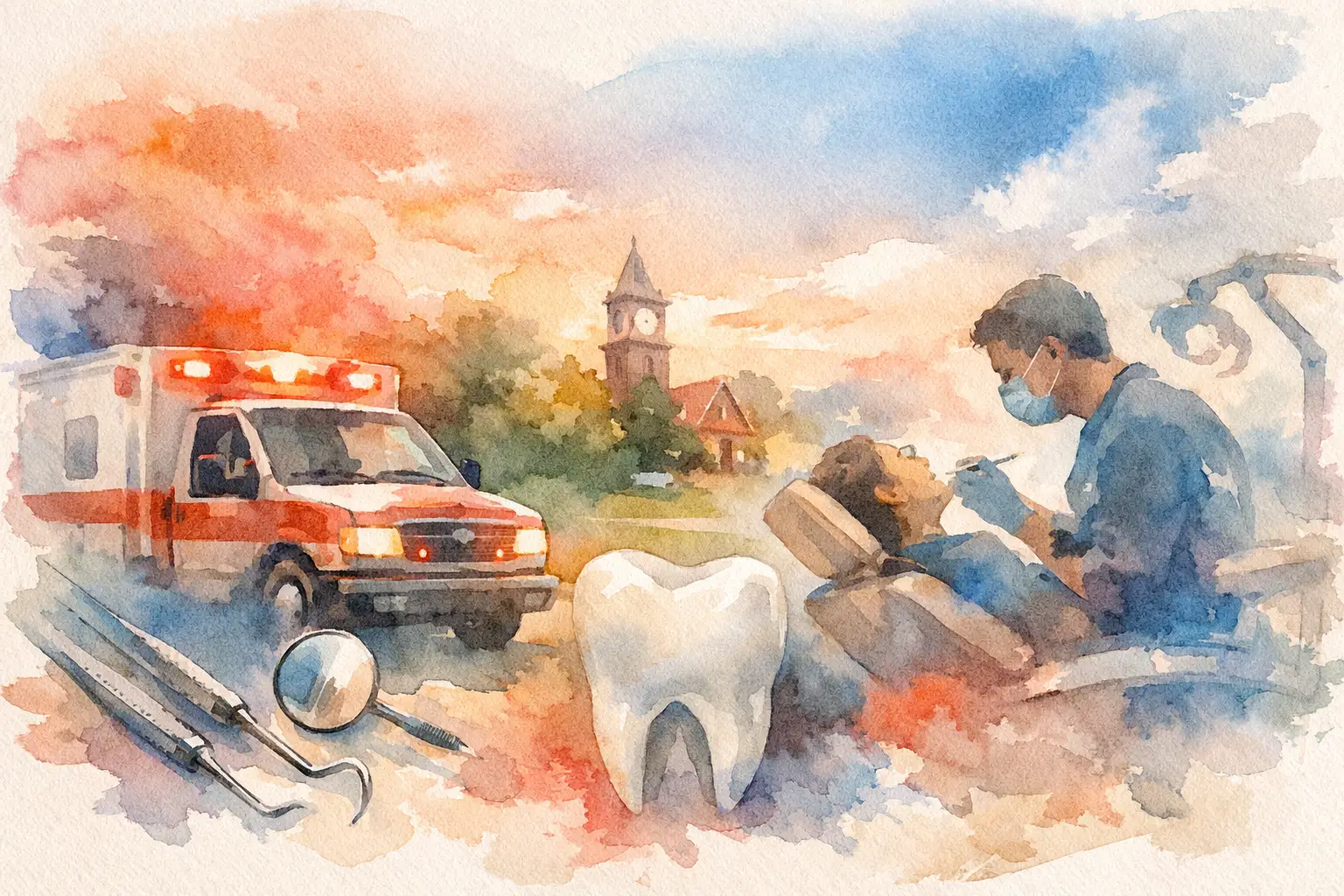
A cracked tooth can happen over dinner. A child can fall at the park and damage a front tooth. A dull toothache can become severe enough to interrupt sleep overnight. When you need emergency dental care Richmond Hill patients can access promptly, knowing what to do in the first few minutes can reduce pain, protect the tooth, and help your dental team plan the right treatment.
Dental emergencies are not all the same. Some require immediate medical attention, while others need an urgent dental appointment to prevent infection, further damage, or tooth loss. The goal is not to diagnose the problem at home. It is to stay calm, protect the affected area, and contact a qualified dental clinic for guidance.
When Is a Dental Problem an Emergency?
A dental emergency is any injury, pain, swelling, or infection that needs prompt assessment to protect your health or preserve your teeth. Severe pain is a common reason to seek care, but it is not the only one. A tooth with little discomfort can still need urgent attention if it is cracked, loose, or knocked out.
Call a dental clinic as soon as possible if you have a knocked-out permanent tooth, a broken or badly chipped tooth, uncontrolled bleeding from the mouth, facial swelling, a dental abscess, a lost filling or crown causing significant pain, or a toothache that is intense, persistent, or accompanied by swelling.
Some symptoms point to a medical emergency rather than a dental one. If swelling affects breathing or swallowing, spreads quickly into the face or neck, or is paired with a high fever or confusion, call 911 or go to the nearest emergency department immediately. A hospital can manage serious infection and breathing concerns, while a dental team can address the source of the dental problem once you are medically stable.
Emergency Dental Care Richmond Hill: What to Do First
The right first-aid step depends on what happened. Avoid placing aspirin directly on a tooth or gum tissue. It can irritate or burn the tissue, and it will not treat the cause of the pain. If you use pain medication, follow the instructions on the package and check with a pharmacist or physician if you have health conditions, take other medications, or are unsure what is suitable for you.
A tooth has been knocked out
Time matters most with a knocked-out permanent tooth. Handle the tooth by the crown, which is the visible chewing portion, not the root. If it is dirty, rinse it gently with milk or clean water for only a few seconds. Do not scrub it or remove attached tissue.
If you can safely place the tooth back into its socket, gently bite on clean gauze or a soft cloth to hold it in place. If that is not possible, keep it moist in milk or in saliva inside the cheek if the person is old enough to do so safely. Do not store it in plain water. Call a dental clinic immediately. In many cases, the chance of saving the tooth is best when care happens quickly.
A baby tooth should generally not be placed back into the socket, as this may damage the developing permanent tooth. Contact a dentist for advice, especially if there is bleeding, pain, or concern about other facial injuries.
A tooth is broken, cracked, or loose
Rinse the mouth with warm water and save any tooth fragments you can find. A cold compress placed on the outside of the cheek can help limit swelling. If the broken edge is sharp, dental wax can temporarily protect the tongue or cheek until you are seen.
A crack may be obvious, but it is often hidden below the gumline or inside the tooth. Pain when biting, sensitivity to cold, or pain that comes and goes can all signal a crack. Do not continue chewing on that side. Depending on the extent of damage, treatment may range from bonding or a crown to root canal treatment, or in more complex cases, surgical care or tooth replacement planning.
Severe toothache or facial swelling
A strong toothache may be caused by deep decay, a crack, gum disease, an infection, or an inflamed nerve inside the tooth. Rinse gently with warm salt water and floss carefully around the painful tooth in case food debris is trapped. Do not use sharp objects to probe the area.
Swelling, a pimple-like bump on the gums, a bad taste, or pain that worsens when lying down can indicate an infection. Dental infections do not resolve reliably on their own. Antibiotics may sometimes be part of care, but they do not replace treatment to drain the infection, restore the tooth, or remove the source when necessary. Prompt assessment helps prevent a smaller problem from becoming more complicated.
A crown, filling, or denture has come loose
A lost filling or crown is not always an emergency, but it can become urgent when the tooth is painful, exposed, sharp, or at risk of breaking. Keep the crown if you have it and bring it to your appointment. Avoid chewing hard or sticky foods on that side.
Do not use household glue to reattach a restoration. It can damage the tooth and make professional treatment more difficult. A dental clinic can determine whether the restoration can be recemented or whether the tooth needs further repair.
What to Expect at an Urgent Dental Visit
An emergency appointment begins with listening. Your dental team will ask when symptoms started, how the injury occurred, what makes the pain better or worse, and whether you have swelling, fever, or relevant medical conditions. Digital X-rays or other imaging may be needed to look below the surface of the tooth and bone.
The first priority is usually to relieve pain, control infection, stabilize the tooth, or stop further damage. That might mean placing a temporary restoration, smoothing a sharp fracture, draining an infection, beginning root canal treatment, treating an injury, or protecting a tooth with a temporary crown. Not every emergency can or should be completed in one visit. Complex cases sometimes need staged treatment so the dentist can first make you comfortable, then create a reliable long-term plan.
This is particularly true for teeth with extensive fractures, advanced infection, or significant gum and bone loss. Saving a natural tooth is often preferred when it has a good long-term outlook. However, if a tooth cannot be predictably restored, extraction followed by options such as a bridge, denture, or implant-supported replacement may be the healthier choice. The best option depends on the tooth, the surrounding bone and gums, your medical history, and your goals.
Comfort Matters During Dental Emergencies
Pain and uncertainty can make even routine dental treatment feel overwhelming. For patients with dental anxiety, a caring explanation of each step can make a meaningful difference. Tell the clinic if you are nervous, have had difficult dental experiences, have a sensitive gag reflex, or struggle to stay comfortable during treatment.
Comfort-focused options may include local freezing, pauses during care, and, when clinically appropriate, sedation dentistry. The appropriate approach depends on the procedure, your health history, and the level of anxiety involved. Emergency care should feel clear and manageable, not rushed or frightening.
Preparing Before an Emergency Happens
You cannot prevent every accident, but a few habits lower the risk of serious dental injury. Wear a properly fitted mouthguard for contact sports and recreational activities with a fall risk. Avoid using teeth to open packaging or bite hard objects. Attend regular examinations so small cavities, failing restorations, gum concerns, and cracks can be found before they become painful emergencies.
It also helps to keep your dentist’s contact information readily available and to understand your insurance coverage. Many families appreciate direct insurance billing where available, and eligible patients may be able to use the Canadian Dental Care Plan for covered services. Coverage and treatment eligibility vary, so the clinic can explain costs and next steps before proceeding whenever circumstances allow.
When a dental emergency occurs, prompt action is a form of protection. ORIS Dental Clinics can help Richmond Hill families understand the urgency of the situation, manage immediate concerns, and move forward with coordinated care focused on comfort, function, and long-term oral health.