
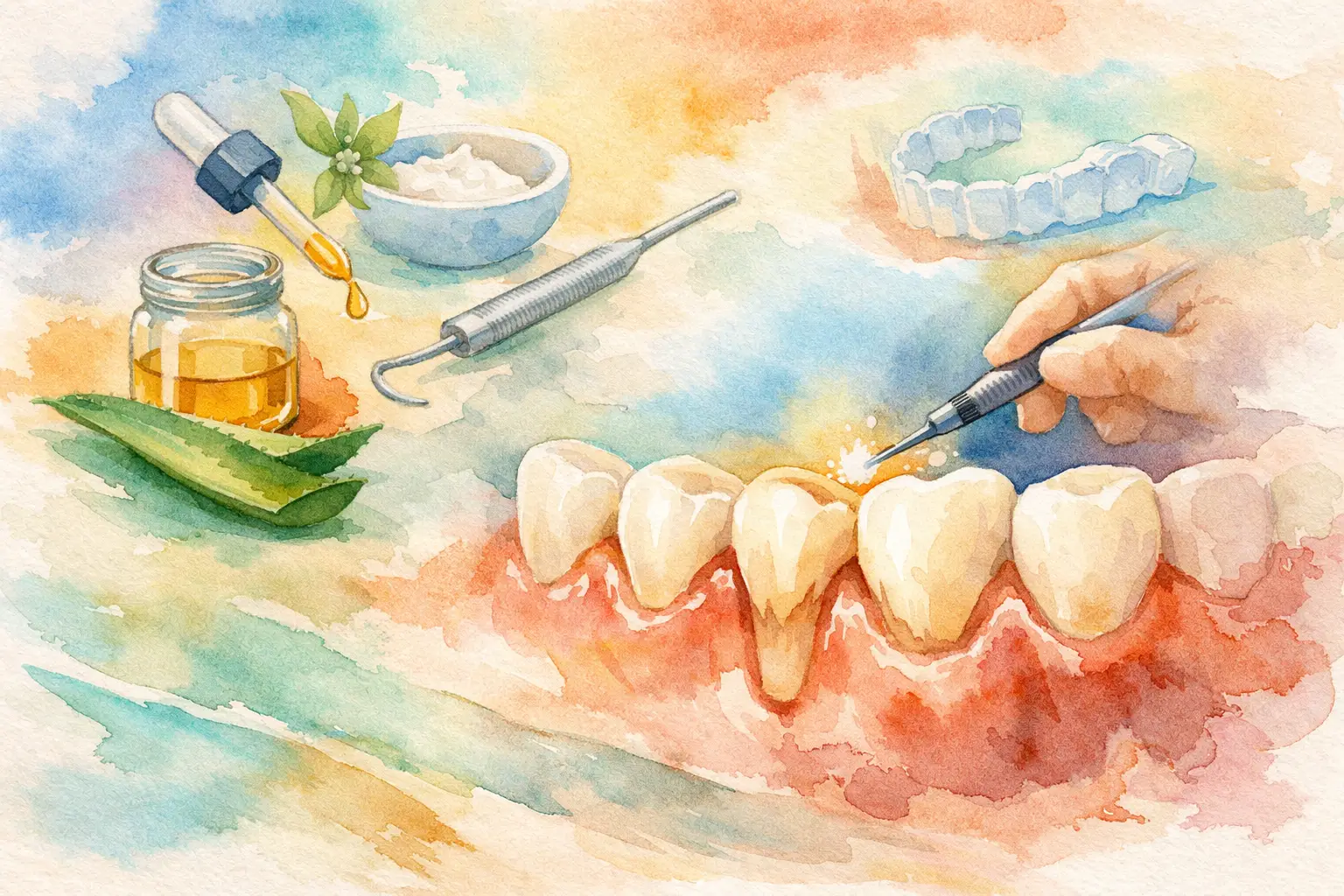
A tooth that suddenly looks longer, a notch near the gumline, or a sharp reaction to cold water can be early signs of gum recession. The best treatments for receding gums are not one-size-fits-all because recession can result from gum disease, brushing habits, tooth position, grinding, or a combination of factors. The right approach starts by finding out why the gumline has moved and whether the condition is still progressing.
Gum tissue does not usually grow back on its own. However, modern periodontal care can stop further loss, reduce sensitivity, protect exposed tooth roots, and in suitable cases restore lost gum coverage. Acting early can also help preserve the bone and support around your teeth.
Why gums recede
Gum recession occurs when the gum tissue pulls back from the tooth, exposing more of the root surface. The roots are softer than enamel and are not designed to handle the same level of wear, plaque accumulation, or temperature changes. This is why recession may lead to sensitivity, root cavities, and changes in the appearance of your smile.
Periodontal disease is a common cause. Plaque hardens into tartar below the gumline, triggering inflammation that can damage the gums and the bone holding teeth in place. Recession may also occur in people with otherwise healthy gums. Brushing aggressively with a hard-bristled brush, using an abrasive toothpaste, clenching or grinding, smoking, a thin gum type, or teeth positioned outside the supporting bone can all contribute.
Recession around one or two teeth may point to a local issue, such as a prominent tooth root, a high lip or cheek frenum attachment, or brushing trauma. More widespread recession needs a fuller assessment, particularly if there is bleeding, bad breath, loose teeth, or spaces developing between teeth.
Best treatments for receding gums depend on the cause
A dental examination is the first treatment step, even though it may not feel like one. Your dentist or periodontist measures the gum pockets around each tooth, checks for bleeding and mobility, evaluates your bite and brushing technique, and may take digital X-rays to assess bone levels. This shows whether the priority is controlling periodontal disease, correcting damaging habits, covering exposed roots, or coordinating several treatments.
Professional cleanings and home-care changes
When recession is mild and there is no active periodontal disease, prevention may be the most appropriate plan. Professional cleanings remove plaque and tartar in places a toothbrush cannot reach. Your dental team can also show you how to use a soft toothbrush with gentle pressure, directing the bristles toward the gumline rather than scrubbing side to side.
An electric toothbrush with a pressure sensor can be helpful for people who brush too forcefully. A low-abrasion toothpaste and a desensitizing toothpaste may reduce discomfort from exposed roots. These measures will not replace lost tissue, but they can protect what remains and reduce the chance of further recession.
Scaling and root planing for gum disease
If gum disease is driving the recession, scaling and root planing is often the first active treatment. This non-surgical periodontal therapy removes tartar and bacterial deposits from beneath the gumline and smooths the root surfaces. Smoother roots are easier to keep clean and give inflamed gum tissue a better opportunity to heal.
For some patients, treatment is completed over more than one visit, especially when deeper pockets are present. A local anesthetic can keep the appointment comfortable, and sedation options may be considered for patients with significant dental anxiety. Follow-up measurements are essential: treatment success is based on healthier, more stable gums and pockets, not simply how the gumline looks right after cleaning.
Scaling and root planing can control infection and slow progression, but it cannot reliably rebuild gum tissue that has already been lost. If deep pockets, ongoing bleeding, or bone loss remain after initial therapy, periodontal surgery may be recommended.
Gum grafting to cover exposed roots
Gum grafting is one of the most effective options when exposed roots need coverage or when thin gums are at risk of worsening. During this procedure, a periodontist places donor tissue – often from the roof of the mouth or a carefully selected donor source – over the recessed area. The tissue is positioned to thicken the gumline and, where anatomy allows, cover part or all of the exposed root.
Grafting may be recommended when recession causes persistent sensitivity, creates a cosmetic concern, makes the root difficult to clean, or threatens the long-term support of a tooth. It can also be preventive. A very thin gumline around a lower front tooth, for example, may benefit from reinforcement before recession becomes more severe.
Results depend on the location of the tooth, the amount of bone between neighbouring teeth, the depth of the recession, tissue thickness, and home care. Root coverage is generally more predictable when bone support is intact. Healing takes time, and patients need to avoid brushing or pulling the lip around the treated area until directed otherwise.
Periodontal surgery for advanced disease
When periodontal disease has created deep pockets or irregular bone defects, surgery may be needed to gain access for thorough cleaning and reshape the tissues. In selected cases, regenerative materials may be used to encourage the body to rebuild some lost support around a tooth. This is different from cosmetic root coverage: the goal is to manage infection and preserve the tooth’s foundation.
Not every patient with recession requires surgery. The decision depends on pocket depths, bleeding, bone loss, tooth mobility, overall health, and whether the area can be kept clean. A careful periodontal assessment helps avoid overtreating a stable recession while ensuring active disease does not go unchecked.
Treating sensitivity and root damage
Exposed roots are more vulnerable to decay and wear. If sensitivity persists despite desensitizing toothpaste, your dentist may apply a fluoride varnish, bonding agent, or tooth-coloured restoration to seal the exposed area. A small restoration can improve comfort and protect the root, although it does not replace gum tissue.
When recession is linked to grinding or clenching, a custom night guard may reduce damaging forces on teeth and gums. If a tooth is severely misaligned or positioned outside the dental arch, orthodontic treatment may sometimes be part of the long-term plan. Orthodontics is not a cure for recession on its own, so the gums and bone should be assessed before tooth movement begins.
What not to rely on
There is no over-the-counter gel, oil, or supplement proven to regrow significant lost gum tissue. Products marketed for “gum repair” may soothe irritation or help keep the mouth clean, but they cannot remove tartar below the gumline or rebuild lost bone. Delaying care while trying home remedies can allow periodontal disease to progress quietly.
Be cautious with whitening products if roots are exposed. Root surfaces can appear darker or more yellow than enamel, and whitening may increase sensitivity. A dentist can help determine whether whitening, bonding, grafting, or a combination will give the most natural result.
How to protect your gums after treatment
Successful treatment relies on maintenance. Brush twice daily using a soft brush and gentle technique, clean between teeth every day with floss or appropriately sized interdental brushes, and attend periodontal maintenance visits on the schedule your dental team recommends. Patients who have had gum disease often benefit from more frequent cleanings than the standard six-month interval.
Smoking and vaping can interfere with gum healing and increase the risk of periodontal disease returning. Managing diabetes and other health conditions also supports gum stability. If you notice new bleeding, sensitivity, changes in tooth position, or gums that appear to be pulling back further, arrange an assessment rather than waiting for pain. Gum disease is often painless until it becomes advanced.
For Richmond Hill patients, ORIS Dental Clinics can coordinate preventive care, periodontal assessment, restorative treatment, and surgical planning in one setting. A timely examination can turn a worrying change at the gumline into a clear, manageable plan that protects your comfort, smile, and natural teeth for the years ahead.