
A missing tooth can affect far more than your smile. It can make meals less enjoyable, change how you speak, and leave you wondering whether replacing it will involve a difficult procedure. So, are dental implants painful? Most patients report that implant placement is more comfortable than they expected. You should not feel pain during the procedure itself, and any soreness afterward is usually manageable with a personalized care plan.
Dental implant treatment is surgery, so it is reasonable to expect some recovery time. The experience varies based on the condition of your gums and bone, the number of implants needed, whether a tooth must be removed, and your own comfort needs. Understanding each stage can replace uncertainty with a clear plan.
Are dental implants painful during placement?
Before implant placement begins, the area is thoroughly numbed with local anesthetic. You may feel a brief pinch when the anesthetic is administered, followed by pressure or vibration during treatment, but you should not feel sharp pain. If you do feel pain at any point, tell your dental team right away. More anesthetic can be provided, and treatment can be paused.
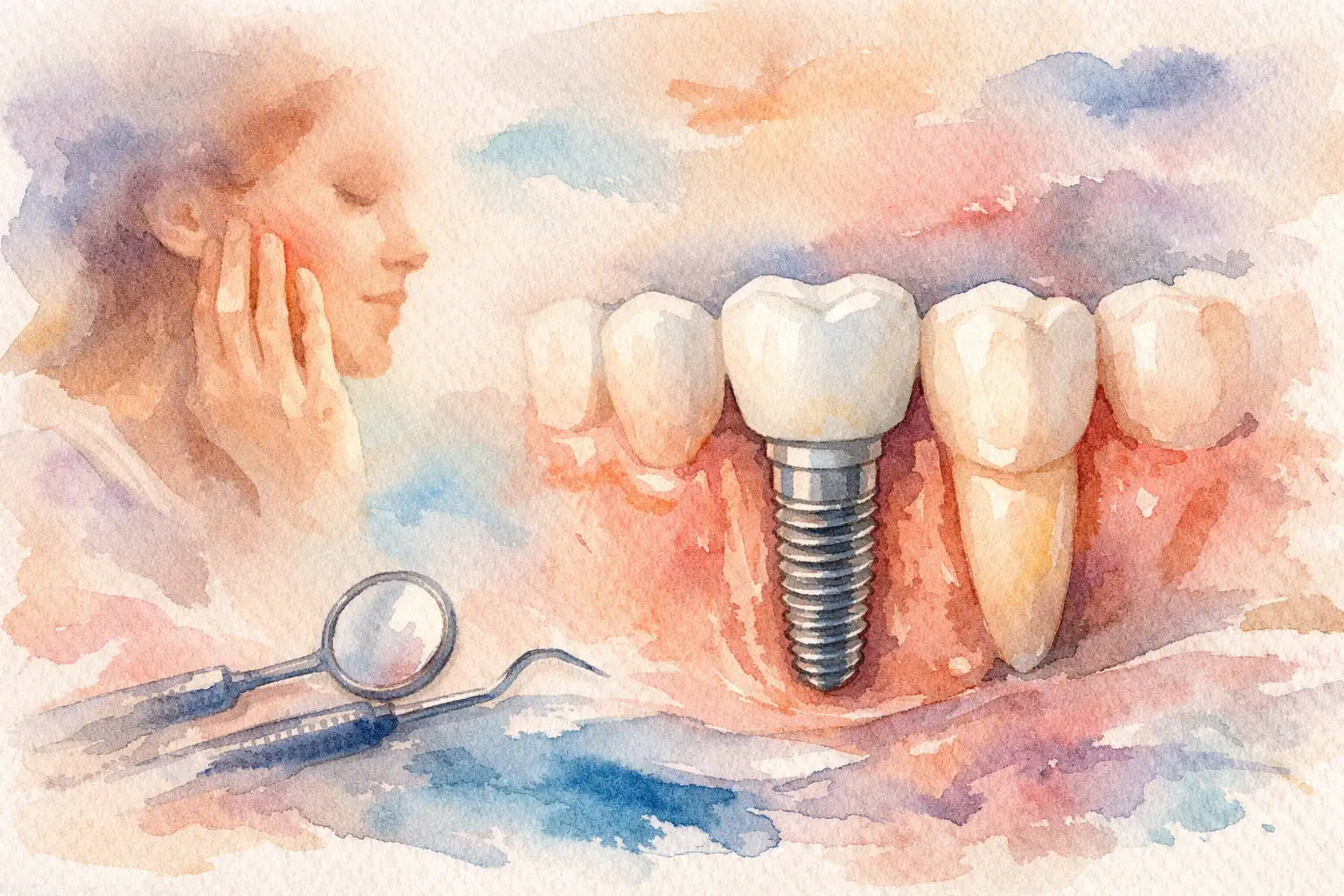
A dental implant is a small titanium post placed in the jawbone to act as the root of a replacement tooth. Precise digital planning helps the dentist identify the safest and most appropriate position for the implant before surgery. This planning is especially valuable when treatment involves several missing teeth, areas close to the sinus or nerve pathways, or reduced bone volume.
For people who feel nervous in the dental chair, comfort options can make a meaningful difference. Depending on the treatment and your health history, sedation dentistry may help you feel deeply relaxed while your dental team monitors you carefully. Sedation does not replace local anesthetic, but it can reduce anxiety and make the appointment feel much easier to manage.
What does dental implant recovery feel like?
Once the numbness wears off, it is common to have tenderness around the implant site. Many patients describe it as similar to the discomfort after a tooth extraction or a minor gum procedure. Mild swelling, bruising, and jaw stiffness can also occur, particularly during the first two or three days.
For a straightforward single implant, discomfort often improves noticeably within several days. Your dentist may recommend appropriate pain medication based on your medical history and the procedure performed. Some patients do well with non-prescription options, while others may need a different plan. Follow the instructions you are given rather than combining medications or taking more than recommended.
Cold compresses can help limit swelling during the first day. Resting, eating soft foods, staying hydrated, and avoiding strenuous exercise for the recommended period can also support a smoother recovery. Avoid smoking or vaping, as these can interfere with healing and raise the risk of implant complications.
The gum tissue generally settles first, but the implant needs more time to integrate with the jawbone. This process, called osseointegration, usually takes several months. It is not normally painful. Most patients return to regular routines soon after surgery while following practical precautions for the treated area.
When recovery may be more involved
Not every implant treatment follows the same timeline. If an implant is placed immediately after an extraction, the area may be more tender because both procedures affect the same site. If you need bone grafting to strengthen the jaw before or during implant placement, expect some additional swelling and a longer healing process.
Full-mouth implant treatment can also require more recovery planning than replacing one tooth. That does not mean it must be an overwhelming experience. It means your dental team should discuss your treatment phases, temporary teeth, food choices, medications, and follow-up visits in advance.
Gum health matters too. Active gum disease needs to be treated and stabilized before implant surgery whenever possible. Healthy gums and well-managed medical conditions give the implant the best environment for predictable healing.
Why patient experiences differ
Pain is personal. Two people can have the same procedure and describe recovery differently. Anxiety can make physical sensations feel more intense, while good preparation and clear expectations often make them easier to handle.
Your experience may also depend on the location of the implant. Back teeth can be associated with more jaw stiffness because keeping the mouth open during treatment may strain the muscles. Upper-back implants sometimes require sinus-related planning, while lower-back implants require careful assessment of nearby nerves. These factors are why a detailed examination and imaging are essential before treatment begins.
An experienced team will not promise that there will be no discomfort at all. Instead, they will explain what is normal, identify factors that could affect your recovery, and create a plan that accounts for both clinical needs and your anxiety level.
Signs you should call your dentist
Some soreness and swelling are expected after implant surgery, but pain should gradually improve rather than become significantly worse. Contact your dental office if you develop severe or increasing pain, swelling that worsens after the first few days, persistent bleeding, fever, pus, a bad taste that does not go away, or numbness that continues beyond the expected duration.
You should also call if your implant or temporary restoration feels loose, if your bite suddenly feels different, or if you have questions about medications or eating after treatment. Early advice can prevent a small concern from becoming a larger problem.
Do not wait for a scheduled follow-up if something feels wrong. Implant treatment is designed as a long-term solution, and timely care protects both your comfort and the health of the surrounding bone and gum tissue.
Preparing for a more comfortable implant appointment
A comfortable experience starts before the procedure. At your consultation, share any history of dental anxiety, difficulty becoming numb, medication use, allergies, medical conditions, or previous surgical experiences. These details help your dental team plan safely and appropriately.
Ask what type of anesthetic and sedation options may be suitable for you, what you should eat before the appointment, whether you need someone to drive you home, and what recovery supplies you should have ready. Preparing soft foods, a cold pack, and a quiet schedule for the first day can remove unnecessary stress.
It is also helpful to think beyond the surgery itself. A dental implant supports a crown, bridge, or implant-supported denture designed to restore chewing ability and appearance. Good home care and regular professional visits are essential to protecting that investment. Implants cannot get cavities, but the gums and bone around them still need consistent care.
Choosing care that fits your needs
Dental implants are not only a surgical procedure. They are part of a broader restorative plan that may involve gum treatment, extraction, bone grafting, a temporary tooth, and a final custom restoration. Coordinated care helps ensure that each step supports the next one.
For Richmond Hill patients who want advanced treatment without being passed between disconnected offices, ORIS Dental Clinics can assess implant needs alongside oral surgery, periodontal care, restorative dentistry, and anxiety-focused comfort options. The right recommendation may be an implant, but it may also be a bridge or denture depending on your health, timeline, budget, and goals.
The most useful next step is a consultation where you can discuss your concerns openly, see what your treatment would involve, and receive aftercare guidance tailored to you. Feeling informed before treatment is often the first step toward feeling comfortable with it.