
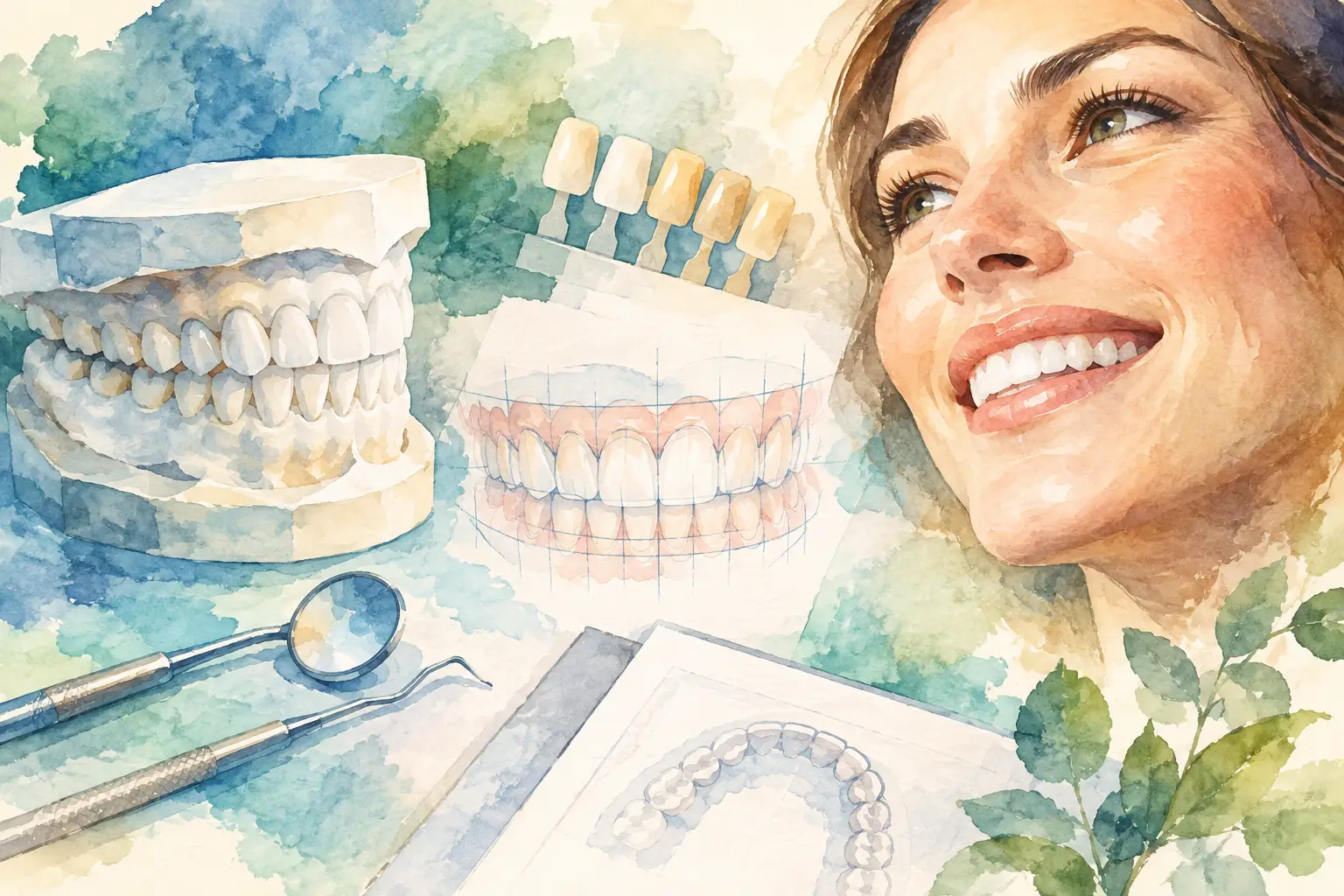
When several teeth are worn, broken, missing, loose, or causing repeated discomfort, fixing one tooth at a time may not solve the larger problem. A full mouth rehabilitation planning guide helps patients understand how dentists assess the whole bite, identify the source of damage, and build treatment around long-term comfort, function, and appearance.
Full mouth rehabilitation is not one procedure. It is a carefully coordinated treatment plan that may combine restorative dentistry, gum treatment, root canal therapy, implants, orthodontics, oral surgery, and cosmetic improvements. The right plan is personal: it reflects your oral health, bite, goals, timeline, medical history, and comfort needs.
What full mouth rehabilitation can address
Full mouth rehabilitation, sometimes called full mouth reconstruction, is considered when multiple dental concerns affect how a person eats, speaks, smiles, or feels day to day. It may be appropriate for people with extensive tooth wear from grinding or acid erosion, widespread decay, failing older crowns or bridges, advanced gum disease, or several missing teeth.
It can also help after dental trauma, when teeth have shifted after long-term tooth loss, or when a bite no longer closes comfortably. Symptoms such as jaw fatigue, headaches, cracked teeth, uneven wear, sensitivity, and difficulty chewing can signal that the bite and supporting structures need a broader assessment.
The aim is not simply to make teeth look better. A well-planned rehabilitation protects the gums and jawbone, restores chewing ability, creates a stable bite, and supports an appearance that looks natural for the patient.
The full mouth rehabilitation planning guide: start with diagnosis
A successful result begins with understanding what is happening beneath the visible surface. During a comprehensive consultation, the dental team reviews your health history, current concerns, past dental treatment, medications, and goals. This conversation matters. Someone who wants to eat comfortably again may prioritize a different sequence than someone preparing for a major event or managing a limited treatment schedule.
The clinical assessment generally includes an examination of teeth, gums, bite alignment, jaw joints, and the way the muscles function. Digital X-rays and 3D imaging may be used to assess tooth roots, bone levels, infections, impacted teeth, and areas being considered for implants or grafting. Digital scans and photographs can document tooth shape, wear patterns, spacing, and smile proportions without relying only on traditional impressions.
Your dentist may also assess whether teeth are restorable. A tooth with a small fracture may be protected with a crown, while one with severe root damage or insufficient bone support may need removal and replacement. Preserving healthy natural teeth is often preferable, but keeping a tooth at all costs is not always the most predictable long-term choice.
Identifying the cause prevents repeat damage
Replacing damaged teeth without addressing why they failed can lead to the same problem returning. For example, untreated teeth grinding can crack new restorations. Acid reflux or frequent acidic drinks can continue to erode enamel. Gum disease can compromise teeth and implants if inflammation is not controlled first.
This is why planning may include a night guard, periodontal therapy, dietary guidance, treatment for infection, or coordination with your physician when a medical concern affects oral health. The final restorations should be designed around a healthy, stable foundation.
Treatment sequencing matters more than speed
The order of care is one of the most valuable parts of rehabilitation planning. Complex treatment is usually completed in phases so that each step supports the next.
Urgent concerns come first. Active infection, severe pain, broken teeth with exposed nerves, and advanced gum inflammation need attention before elective cosmetic work. Root canal treatment, extractions, temporary restorations, or periodontal care may be recommended at this stage.
Next, the team stabilizes the gums, bite, and remaining teeth. This can involve deep cleaning, bone grafting, orthodontic movement to create appropriate space, or provisional crowns and bridges. Temporary restorations are not merely a placeholder. They can help test tooth length, bite position, speech, chewing comfort, and smile appearance before final materials are placed.
Once healing and stability are established, final restorations may include crowns, bridges, veneers, implant-supported crowns, or implant-supported dentures. Some patients can receive immediate temporary teeth after extractions or implant placement. Others need healing time before final teeth are fitted. The best approach depends on bone quality, gum health, infection risk, the number and location of teeth being replaced, and bite forces.
Choosing between crowns, bridges, implants, and dentures
There is no single best solution for every mouth. A crown can strengthen a tooth that has enough healthy structure and a stable root. A bridge can replace one or more missing teeth, although a traditional bridge may require shaping adjacent teeth. Dental implants can replace individual teeth or support bridges and dentures without relying on neighbouring teeth, but they require sufficient bone, good gum health, and a healing period.
For patients missing many teeth, an implant-supported denture can offer more stability than a removable denture alone. It may improve chewing and reduce movement, but it requires surgery, daily cleaning, and ongoing maintenance. A fixed implant bridge can feel closer to natural teeth for some patients, though it is often a larger investment and requires careful hygiene around the implant sites.
Material choices also matter. Ceramic restorations can provide a highly natural appearance, while other materials may be selected for areas that handle heavier biting forces. Your dentist should explain why a recommended option fits your bite and goals, not only how it looks in a photograph.
Plan around comfort, time, and budget
Full mouth rehabilitation can be completed over months, and in some cases longer. Healing after implant placement, bone grafting, or gum treatment cannot be rushed without compromising predictability. However, phased treatment can make care more manageable. Immediate needs can be addressed first, followed by longer-term rehabilitation as timing and finances allow.
A written plan should outline the recommended phases, expected appointments, temporary solutions, and anticipated maintenance. Ask which treatments are essential for oral health, which improve function, and which are optional aesthetic refinements. This helps you make informed decisions without feeling pressured to complete every step at once.
Costs vary significantly based on the number of teeth involved, required surgery, laboratory materials, imaging, sedation, and whether specialist care is needed. Insurance coverage may apply to portions of restorative or medically necessary treatment, while cosmetic elements may not be covered. Direct insurance billing and support for eligible Canadian Dental Care Plan patients can reduce administrative stress, but coverage should be confirmed before treatment begins.
For people who feel anxious about extensive dental care, comfort planning deserves equal attention. Discuss local freezing, sedation options, longer appointments, shorter visits, and ways to pause during treatment. At ORIS Dental Clinics, coordinated care under one roof can help reduce the burden of travelling between separate providers while keeping the treatment sequence clear.
The maintenance plan protects your investment
Rehabilitation does not end when final restorations are placed. Natural teeth, gums, implants, and restorations all require ongoing care. Regular checkups allow the dental team to monitor gum health, bite changes, wear, and the edges of crowns or bridges before small concerns become major repairs.
Home care is equally specific. Implant-supported restorations may require interdental brushes, floss threaders, or water flossing techniques. Patients with a history of grinding may need to wear a protective night guard consistently. Those prone to decay may benefit from fluoride, dietary changes, or more frequent hygiene visits.
A good result should feel comfortable, function reliably, and remain maintainable. Before committing to treatment, make sure you understand the daily care it will require and the follow-up visits that will protect it.
The most useful next step is a comprehensive consultation where you can bring your questions, explain what is no longer working, and learn which path makes sense for your own health, comfort, and future smile.