
A missing tooth can change more than a smile. It can make chewing uncomfortable, affect speech, allow nearby teeth to shift, and leave people avoiding photographs or favourite foods. If you are searching for dental implants Richmond Hill residents can access close to home, understanding the treatment process can make the decision feel far more manageable.
A dental implant is designed to replace the root of a missing tooth, not simply fill the visible space. With careful planning, it can support a crown, bridge, or full-arch restoration that looks natural, feels secure, and helps protect the health of the surrounding jaw and teeth.
What a dental implant replaces
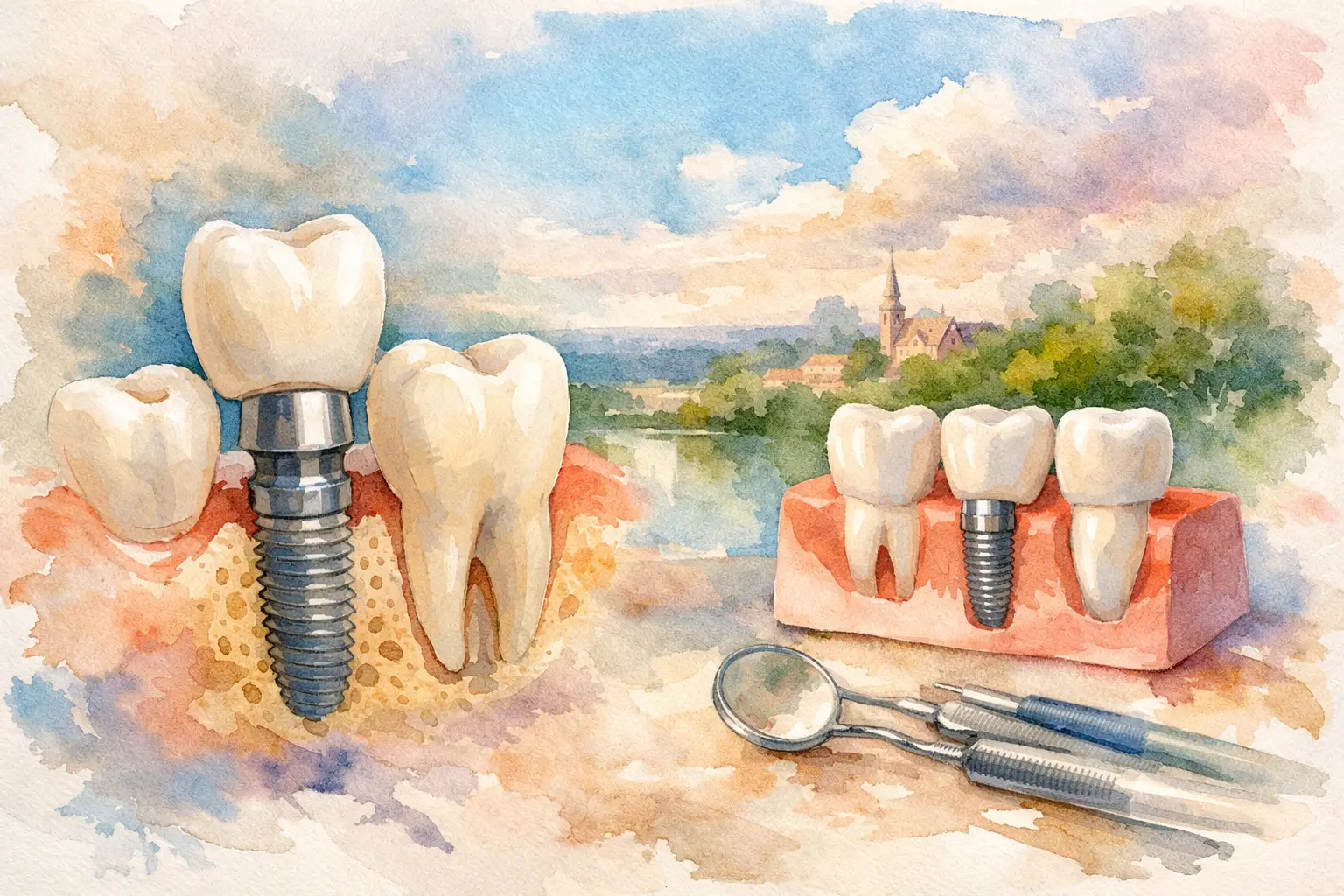
A traditional removable denture sits on the gums, while a conventional bridge is supported by adjacent teeth. An implant uses a small biocompatible titanium post that is placed in the jawbone where a tooth root once was. During healing, the bone integrates with the implant, creating a stable foundation for a custom restoration.
Once the area has healed sufficiently, the visible replacement tooth is attached. For a single missing tooth, this is usually a dental crown. Several implants can support a bridge when multiple teeth are missing, while strategically placed implants can also stabilize a full denture.
This root-level support is a key benefit. When a tooth is lost, the bone in that area no longer receives the stimulation created by chewing. Over time, it may shrink. An implant can help maintain bone volume, although it cannot reverse every change that has already occurred.
Are dental implants right for you?
Many adults are potential candidates for implants, including people who have lived with a missing tooth for years. Candidacy is not based on age alone. It depends more on your oral health, medical history, bone levels, bite, and ability to maintain regular home and professional care.
Healthy gums and adequate jawbone are helpful, but a lack of bone does not automatically rule out treatment. In some cases, bone grafting can build or preserve the support needed for an implant. If gum disease is present, it should be brought under control first. Placing an implant into an unhealthy environment can compromise the long-term result.
Certain health conditions and medications may affect healing, so a complete review matters. Smoking and vaping can also increase the risk of complications. That does not mean treatment is impossible, but your dental team may recommend steps to improve predictability before proceeding.
An implant consultation should look beyond the gap
A thoughtful consultation is about more than measuring an empty space. Your dentist should assess the teeth beside and opposite the area, the condition of your gums, your bite, and the appearance of your smile. Digital imaging helps evaluate bone volume and identify important structures such as nerves and sinuses.
This planning is particularly valuable if you have several missing teeth, an old bridge that is failing, loose dentures, or a history of grinding. The best restoration needs to fit how you bite and function every day, not just look good in a photograph.
The dental implant process in Richmond Hill
Treatment timelines vary. Some patients can receive a temporary tooth shortly after implant placement, while others need a period of healing before a restoration is made. The right approach depends on bone quality, infection history, the position of the tooth, and the stability of the implant at surgery.
The process often begins with a comprehensive examination and digital treatment planning. If a damaged tooth needs to be removed, your dentist will determine whether the implant can be placed at the same appointment or whether the site should heal first. Where needed, bone grafting may be completed during extraction, implant placement, or as a separate preparatory step.
Implant surgery is performed with local freezing. For patients who feel anxious about dental procedures, sedation options may help make the visit more comfortable. After placement, the implant usually needs time to integrate with the bone. During this phase, you may have a temporary replacement so you are not left with a visible gap.
When healing is complete, impressions or digital scans are used to create the final crown, bridge, or implant-supported denture. The restoration is designed to match neighbouring teeth in colour, shape, and proportion while allowing you to clean around it properly.
Healing is usually manageable, but it requires patience
Most people experience some tenderness, swelling, or bruising after surgery. These effects are commonly most noticeable during the first few days and can often be managed with instructions from your dental team, prescribed or recommended medication, and a softer-food diet.
Healing is not a race. Chewing heavily on a new implant before it is ready can interfere with treatment. Follow-up visits allow the team to monitor healing and address concerns early. Contact the clinic promptly if pain worsens rather than improves, swelling becomes significant, or you notice persistent bleeding or a loose temporary restoration.
Choosing between an implant, bridge, or denture
An implant is often an excellent long-term solution, but it is not the only appropriate one. A bridge may be practical when neighbouring teeth already need crowns, when bone grafting is not desired, or when treatment must be completed within a shorter timeframe. A removable partial denture may be a more accessible option for some patients, particularly when several teeth are missing.
The trade-off is that bridges involve preparing neighbouring teeth, and removable dentures do not replace the tooth root or offer the same fixed feel as an implant-supported solution. Cost, healing time, medical considerations, and personal goals all belong in the discussion.
For people with loose full dentures, implant-supported dentures can be particularly life-changing. They may improve retention and chewing comfort without necessarily requiring an implant for every missing tooth. The number and position of implants should be determined through individual planning, not a one-size-fits-all package.
Looking after an implant for the long term
Dental implants cannot develop cavities, but the gums and bone around them still need protection. Plaque can cause inflammation around an implant, sometimes called peri-implant disease. Without care, this infection can lead to bone loss and threaten the stability of the implant.
Daily brushing, cleaning between teeth or under a bridge, and routine dental hygiene appointments are essential. Your team may recommend specific brushes, flossing tools, or water flossing based on your restoration. If you grind or clench, a night guard may be recommended to reduce excess force on the implant and natural teeth.
A well-planned implant can last many years, but no dental treatment should be described as maintenance-free. Regular examinations help ensure the restoration, bite, gum tissue, and supporting bone remain healthy.
Planning for cost and coordinated care
The cost of dental implants varies because each case is different. A straightforward single-tooth replacement does not involve the same clinical steps as a case requiring extraction, bone grafting, sinus augmentation, sedation, several implants, or a full-mouth restoration. The final crown or bridge is also part of the investment.
A clear treatment plan should explain the recommended stages, alternatives, estimated fees, and anticipated timeline before treatment begins. Insurance coverage differs by plan, and some portions of care may be eligible for benefits while others are not. Direct insurance billing and support for eligible Canadian Dental Care Plan patients can reduce administrative stress, although coverage should always be confirmed based on your individual plan.
At ORIS Dental Clinics, implant planning can be coordinated alongside periodontal care, oral surgery, restorative dentistry, and sedation dentistry when needed. Having these services connected can make complex treatment easier to understand and follow from the first consultation through ongoing maintenance.
The most useful next step is a consultation focused on your specific mouth, health history, and priorities. Whether your goal is to replace one tooth, secure a denture, or rebuild a more comfortable bite, a carefully planned solution can help you move forward with confidence.